



What is Low-Impact Exercise?
The term 'impact' in exercise refers to the force exerted on your joints. High-impact exercises, like running or jumping, involve movements where both feet leave the ground simultaneously, creating significant force upon landing. In contrast, low-impact
exercises minimize this stress by keeping at least one foot on the ground or by supporting the body with equipment or water. Think of activities like brisk walking, cycling, using an elliptical machine, or swimming. It’s a common misconception that low-impact means low-intensity or low-effort. You can absolutely achieve a high-intensity workout that gets your heart pumping without the jarring motions that can lead to injury, making it an ideal approach for people of all fitness levels.
Heart Health Without the Hassle
Low-impact cardio is highly effective for strengthening your cardiovascular system. Regular participation in activities like brisk walking, swimming, or rowing strengthens the heart muscle, improves circulation, and can help regulate blood pressure and lower your resting heart rate. These exercises boost your cardiac output, allowing your heart to pump blood more efficiently. While high-impact workouts can get your heart rate up quickly, low-impact routines can achieve comparable cardiovascular benefits, often allowing you to exercise for longer periods. This sustained effort is fantastic for building endurance and improving your overall heart health, reducing the risk of conditions like heart disease and stroke.
Protecting Joints for the Long Haul
One of the most significant advantages of a low-impact routine is its joint-friendly nature. For individuals with arthritis, previous injuries, or general joint pain, high-impact activities can be prohibitive or even harmful. Low-impact exercises reduce the risk of injury by minimizing stress on the knees, hips, and ankles. This not only makes exercise more comfortable but also promotes consistency. When a workout doesn't leave you feeling sore and achy, you're more likely to stick with it long-term. Furthermore, these exercises strengthen the muscles surrounding the joints, which improves stability, flexibility, and overall function, helping you stay active and mobile for years to come.
Your Low-Impact Workout Toolkit
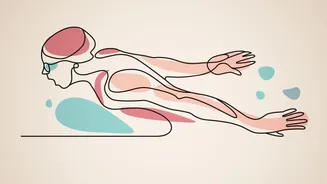
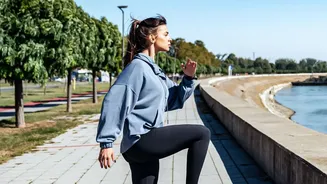
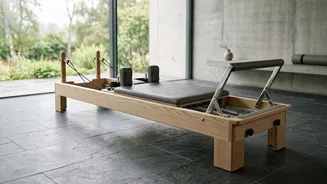
The beauty of low-impact exercise is the sheer variety of options available. Walking is one of the most accessible and effective choices; you just need a good pair of shoes. Cycling, whether on a stationary bike or outdoors, is excellent for building leg strength and endurance without stressing the joints. Swimming and water aerobics are considered 'no-impact' because the water’s buoyancy supports your body weight, providing a full-body workout that's incredibly gentle on the joints. Elliptical trainers and rowing machines are also popular gym choices that offer a fantastic cardio challenge while engaging multiple muscle groups. Even activities like yoga, Pilates, and certain forms of strength training can be low-impact, helping to build strength, balance, and flexibility.
How to Get Started Safely
Beginning a low-impact routine is straightforward. The key is to start slow and gradually increase your duration and intensity. If you're new to exercise, aim for 20-30 minute sessions three to five times a week. Always begin with a 5-10 minute warm-up of light movement to prepare your muscles and joints. Proper form is crucial, so consider watching instructional videos or even consulting a trainer to ensure you're performing movements correctly. Most importantly, listen to your body. The goal is to feel invigorated, not exhausted or in pain. Find an activity you genuinely enjoy, as that is the true secret to creating a lasting and beneficial fitness habit.