






Why 'Quiet Room, Please' Falls Short
A generic request for a 'quiet room' is open to interpretation. For a busy front desk agent, 'quiet' might simply mean a room that isn't directly beside the ice machine. But it fails to account for the numerous other sources of noise that can disrupt
your rest. Noise is one of the most frequent complaints from hotel guests, stemming from everything from hallway traffic to street-level sounds. By providing specific details about your sensitivities, you give the hotel staff actionable information they can use to find the best possible room for you. Instead of making them guess what you mean by quiet, you are defining the term for them, increasing your chances of a successful placement.
Mention Proximity to Roads and Lifts
Two of the most common culprits for hotel noise are elevators (lifts) and street traffic. When making a reservation, specifically ask for a room on a higher floor to minimize noise from the street, such as sirens or garbage trucks. At the same time, request to be situated away from the elevators. The constant 'ding' and the conversations of guests waiting in the lift lobby can travel down the hall. A room located midway down a corridor is often the quietest spot, as it avoids the noise from both the central elevator bank and any stairwells at the end of the hall. This simple 'high floor, away from the lift' request immediately filters out many of the most disruptive rooms.
Ask About Scheduled Events
A hotel that seems peaceful on a Tuesday can become a hub of activity over the weekend due to weddings, conferences, or other large gatherings. These events generate significant noise, not just from the function rooms themselves but also from guests congregating in hallways and moving between floors. When booking, it's wise to ask if any large events are scheduled during your stay. Request a room far from any ballrooms, conference centres, or restaurants that might host late-night parties. Even a room overlooking a seemingly tranquil courtyard can become noisy if a party is booked for that space. Early morning clean-up from these events can also be a source of noise, with clanking bottles and service carts.
Pinpoint Other Hidden Noise Sources
Beyond the big three, several other factors can contribute to a noisy night. Ask for a room that does not have a connecting door to an adjacent room, as these are often less soundproof. Also, request to be away from housekeeping supply closets, vending areas, and fitness centres, which see early morning or late-night traffic. It's also worth checking if your room is located above or below other public areas. A room situated over a bar, restaurant, or even a squash court can be surprisingly loud. Many hotels have designated 'quiet zones' or entire floors with stricter noise policies; it never hurts to ask if one is available.
The Art of Making the Request
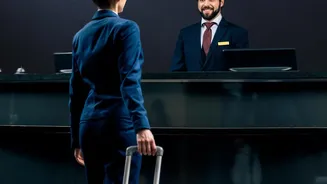
How and when you ask is just as important as what you ask for. Make your specific requests at the time of booking. Follow up with a phone call directly to the hotel a few days before your arrival to reiterate your needs. This gives the staff time to make a note in your reservation and pre-assign a suitable room. When you check in, politely confirm your requests with the front desk agent. Politeness is key; staff are more willing to go the extra mile for a friendly guest. Using a hotel's app, if available, can also allow you to see a floor plan and select your own room, giving you full control over its location relative to potential noise sources.