




The 'Shoulder Season' Sweet Spot
September is India's ultimate travel shoulder month. With the peak monsoon over and the main tourist season of October to December yet to begin, it offers a strategic advantage. Travellers can often find significant discounts on hotels and resorts, with
rates sometimes dropping by 20% to 40% compared to the winter peak. Major attractions are quieter, allowing for a more relaxed and immersive experience. The landscape, having been washed clean by months of rain, is exceptionally green and vibrant, and the air quality is often at its best, providing crisp, clear views.
Northern India: Clear Skies and Mountain Passes
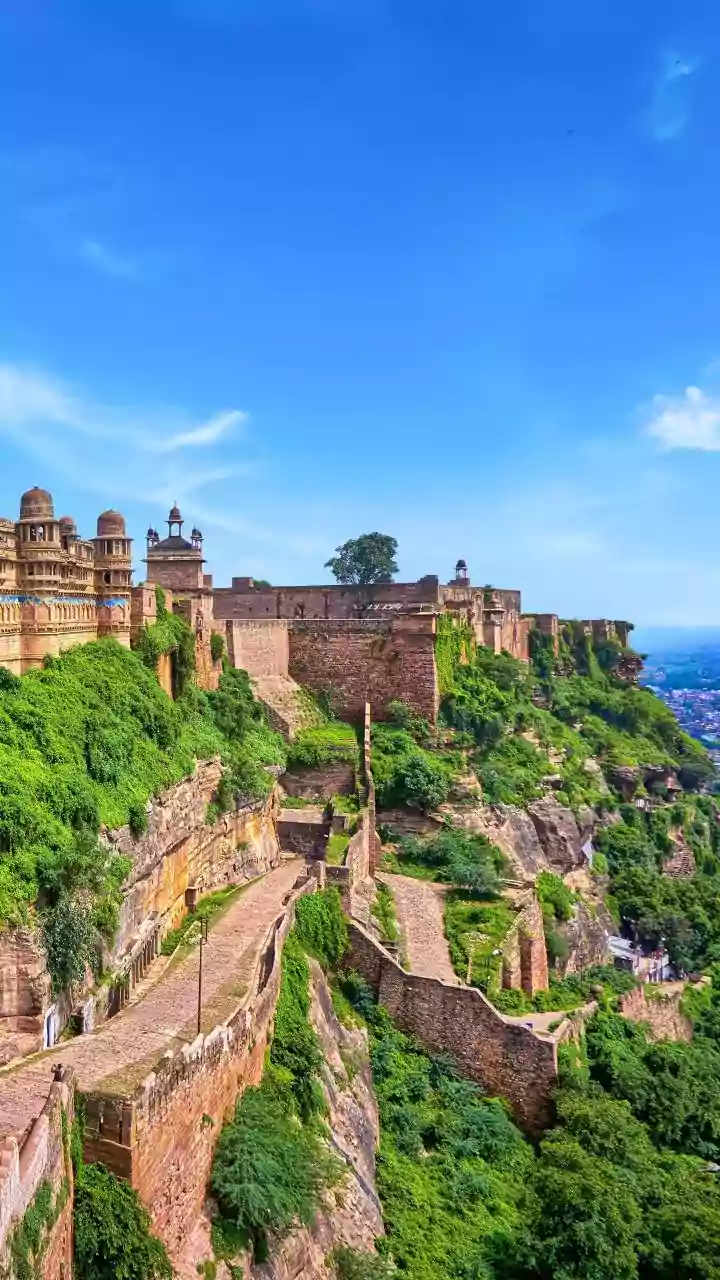
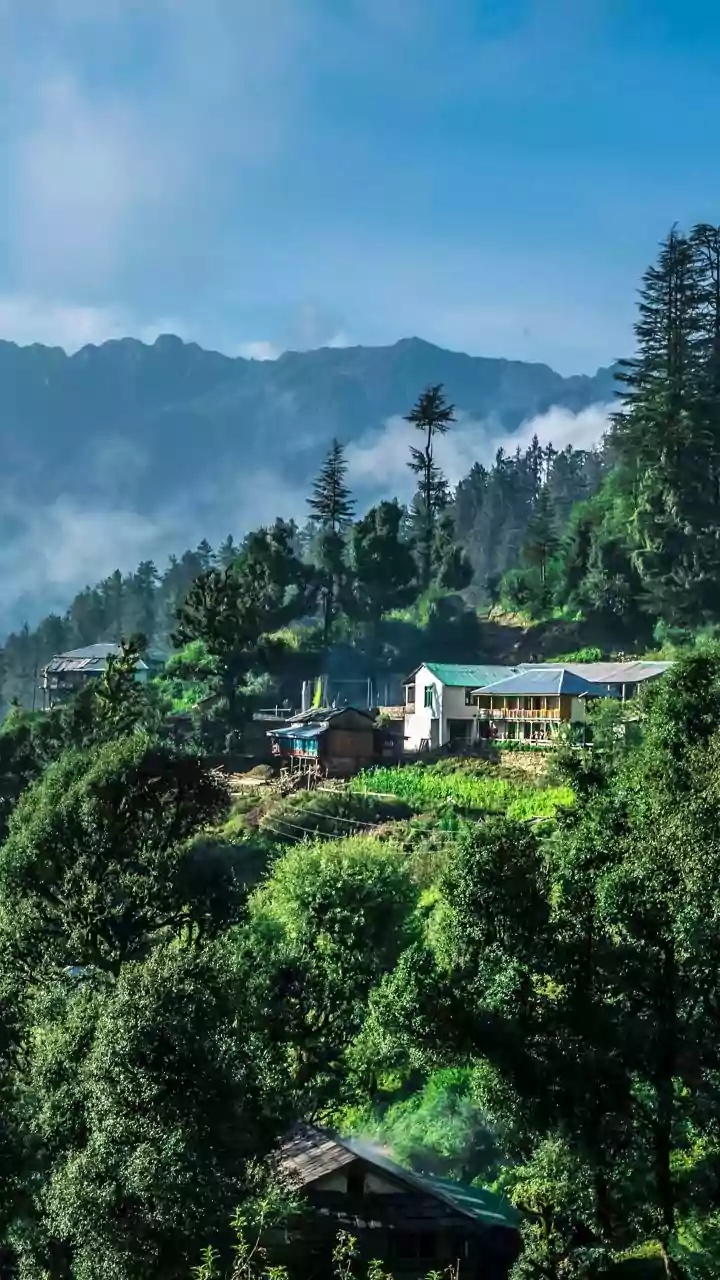
For those seeking mountain adventures, September is a prime month. In the Himalayas, the monsoon rains recede, improving road conditions and reducing the risk of landslides. High-altitude destinations like Ladakh and Spiti Valley in Himachal Pradesh are particularly appealing. They exist in a rain shadow, receiving little monsoon rainfall, and September offers clear skies before the winter snows close the high passes. While daytime temperatures in places like Leh and Kaza are pleasant, nights can drop close to or below freezing, especially later in the month. In states like Uttarakhand, the weather is perfect for sightseeing in destinations like Mussoorie, where waterfalls are still full. Rajasthan also becomes more inviting; the rains leave the Aravalli hills looking lush and the lakes full, while temperatures become more bearable than in the preceding months.
Coastal Retreats: Sun, Sand, and Serenity
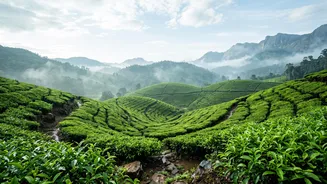
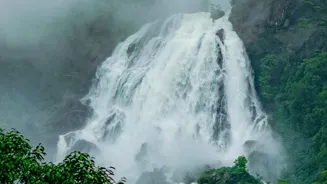
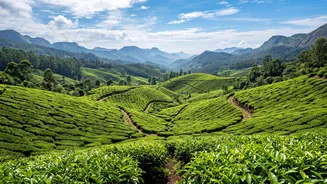
While some rain can still be expected, the coastal regions of Goa and Kerala begin to emerge from the heaviest downpours. In Goa, September marks a transition to more moderate weather, with periods of sunshine breaking through the clouds. The intense but brief showers are refreshing, and the landscape is brilliantly green. It’s a chance to enjoy the beaches without the bustling crowds of peak season. Similarly, in Kerala, while there will likely be rainy days, the worst of the monsoon has passed. This makes it a good time for cruising the backwaters or exploring the tea gardens of Munnar as the weather becomes pleasantly hot when the sun is out.
Central and Southern Charm
Central India also benefits from the departing monsoon. The weather in September can be a mixed bag with some rainy days, but the scenery is stunningly lush and green. In Maharashtra, this is the perfect time to witness the rare spectacle of the Kaas Plateau, where over 850 species of wildflowers come into bloom, creating a carpet of colour across the landscape. Further south, in states like Tamil Nadu, September offers a brief dry spell between the southwest and northeast monsoons, making it a good time to explore the region's ancient temples in cities like Madurai and Thanjavur. In Karnataka, post-monsoon clarity makes destinations like Hampi, with its iconic ruins, particularly photogenic.
What to Know Before You Go
Traveling in September requires flexibility. The weather is transitional and can be unpredictable. In the mountains, always check road conditions before setting out, as surprise showers can still cause disruptions. Packing layers is essential, especially for high-altitude destinations where temperatures can vary dramatically between day and night. For coastal and southern regions, lightweight, quick-dry clothing and a rain jacket are advisable. While many national parks like Ranthambore remain closed until October, the opportunity to see India's landscapes at their most vibrant, and with fewer fellow travellers, makes September a compelling choice for the savvy explorer.