




The Allure of Kitchen Cosmetics
The idea of using kitchen scraps for beauty is undeniably appealing. It feels natural, sustainable, and wonderfully economical, especially during the harsh winter months when our skin craves extra moisture and care. The belief that 'natural is always
better' drives many to raid the fruit bowl for their next skincare solution. Orange peels, often associated with vitamin C, and banana peels, known for their potassium content, are two of the most popular ingredients in these homemade routines. Proponents claim they can brighten, tighten, and hydrate the skin for a fraction of the cost of commercial products. But just because something is natural doesn't automatically make it safe or effective for your face.
The Claim: Orange Peels for a Brighter Glow
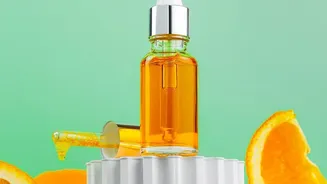
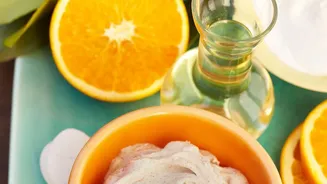
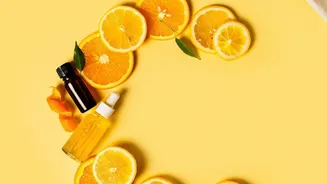
Orange peels are packed with beneficial compounds, which is why they are a focus in skincare research. The peel contains antioxidants and, most famously, is associated with vitamin C, an ingredient celebrated for its ability to brighten skin, fight acne-causing bacteria, and potentially boost collagen. DIY recipes often involve drying and powdering the peel to create an exfoliating scrub or mask. The logic is that applying this directly will transfer those brightening and cleansing benefits to the skin, helping to slough off dead cells and reduce excess oil for a healthier, more radiant complexion.
The Reality: A Risk of Irritation and Sun Sensitivity
Unfortunately, using raw orange peel on your skin is not recommended by dermatologists. The primary concern is a chemical reaction called phytophotodermatitis. Citrus oils contain compounds called furocoumarins, which can make your skin extremely sensitive to sunlight. If you apply orange peel or its oil and then go into the sun, you could develop a painful, burn-like rash, blisters, or dark spots that can last for a long time. Furthermore, the acidic nature of citrus can be very irritating, especially for sensitive skin, and the coarse texture of a peel or powder can cause micro-tears in the skin barrier. Finally, unless you're using organic fruit, the peel can have pesticide residues that you don't want on your face.
The Claim: Banana Peels for Hydration and Anti-Ageing
The internet is full of videos of people rubbing the inside of a banana peel on their face, claiming it reduces wrinkles, hydrates skin, and diminishes dark under-eye circles. The theory is that the peel is rich in vitamins, antioxidants, and minerals like potassium that can moisturize and soothe the skin. Some dermatologists speculate that tannins in the peel might have a temporary tightening or astringent effect. Given that bananas are known for their moisturizing properties when eaten, it seems plausible that applying the peel could offer similar benefits.
The Reality: Minimal Benefits and Unproven Claims
While rubbing a banana peel on your skin is less risky than using an orange peel, dermatologists are skeptical about its effectiveness. There is currently no scientific evidence to support the claims that it can reduce wrinkles or have any lasting impact on skin health. While bananas and their peels do contain antioxidants, the nutrients are unlikely to penetrate the skin in a meaningful way when applied in their raw form. Any moisturizing or tightening effect is likely to be very temporary. At best, it's a harmless but ineffective practice; at worst, you could be rubbing residual pesticides onto your skin. Experts agree you're better off eating the banana to get the nutritional benefits.
Safer Swaps for Your Winter Skincare
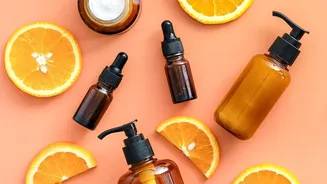
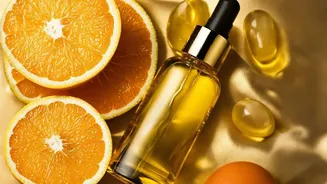
If you're looking for the brightening effects promised by oranges or the hydrating benefits of bananas, there are far safer and more effective ways to achieve them. For brightening and antioxidant protection, use a formulated vitamin C serum. These products are created in a lab to be stable and are at a pH level that your skin can tolerate without irritation. For hydration, look for ingredients like hyaluronic acid, glycerin, or ceramides in your moisturizers. These are proven to attract and lock in moisture, which is essential for combating winter dryness. For gentle exfoliation, consider using a product with alpha-hydroxy acids (AHAs) like glycolic or lactic acid, which effectively remove dead skin cells without the risk of micro-tears from physical scrubs.