








The Greenwashing Maze
Many of us want to make more conscious fashion choices, but the path is often deliberately obscured. The biggest obstacle is 'greenwashing', a marketing tactic where brands make misleading claims about their environmental credentials to attract well-intentioned
buyers. Terms like 'eco-friendly', 'conscious', and 'green' are thrown around without any real evidence to back them up. This practice is pervasive; one study found that over 60% of sustainability claims by major fashion brands were unsubstantiated. This not only misleads consumers but also erodes trust in brands that are genuinely making an effort, creating a marketplace where it's nearly impossible to distinguish real progress from clever PR.
The Supply Chain Black Box
The core of the problem lies in the fashion industry's notoriously complex and opaque supply chains. A single garment can pass through dozens of stages across multiple countries, from the farm growing the cotton to the factory stitching the final product. This complexity makes it incredibly difficult for consumers—and sometimes even the brands themselves—to track a product's true impact. Key information about labour conditions, water usage, and chemical treatments remains hidden. Without transparency, brands can claim to be 'sustainable' by highlighting one small positive step, like using recycled packaging, while ignoring massive environmental or ethical issues elsewhere in their production line.
What is Smarter Discovery?
Smarter product discovery is about cutting through the noise. It’s more than just a 'sustainable' filter on a website; it’s about providing verified, easily understandable information at the point of purchase. True discovery tools connect shoppers with products that align with their specific values, whether that's fair wages, organic materials, or a low carbon footprint. This requires a shift from vague marketing language to hard data. For consumers, this means having the ability to see a brand's real record on environmental impact and labour practices, often verified by independent third parties. This allows you to define what 'sustainable' means to you and find brands that meet that standard.
Technology as a Transparency Tool
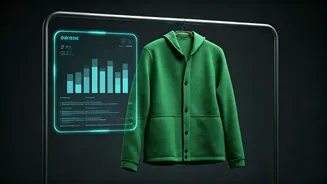
Fortunately, technology is beginning to provide solutions. Artificial Intelligence (AI) is being used to more accurately predict trends, which can reduce overproduction—a massive source of waste in the fashion industry. AI algorithms can also optimize cutting patterns to reduce fabric waste and streamline logistics to cut down on shipping emissions. Other innovations, like blockchain, are being used to create transparent and traceable supply chains, offering a digital ledger that tracks a garment's journey from raw material to retail. This technology can provide verifiable proof of a brand's claims. For the consumer, this might look like scanning a QR code on a label to see exactly where and how an item was made.
From Discovery to Action
While the industry implements these larger changes, several tools are already available to help shoppers navigate the current landscape. Apps and websites like Good On You rate thousands of brands based on their impact on people, the planet, and animals, offering transparent report cards and suggesting better alternatives. Other platforms like Renoon and Eco-Stylist allow users to shop across multiple certified sustainable brands, curating collections that have already been vetted for their credentials. These tools empower consumers to move past brand-led marketing and access independent assessments, making it easier to support companies that are truly committed to making a positive impact.