




The End of an Era for the ISS
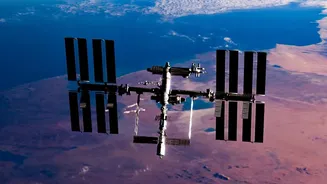
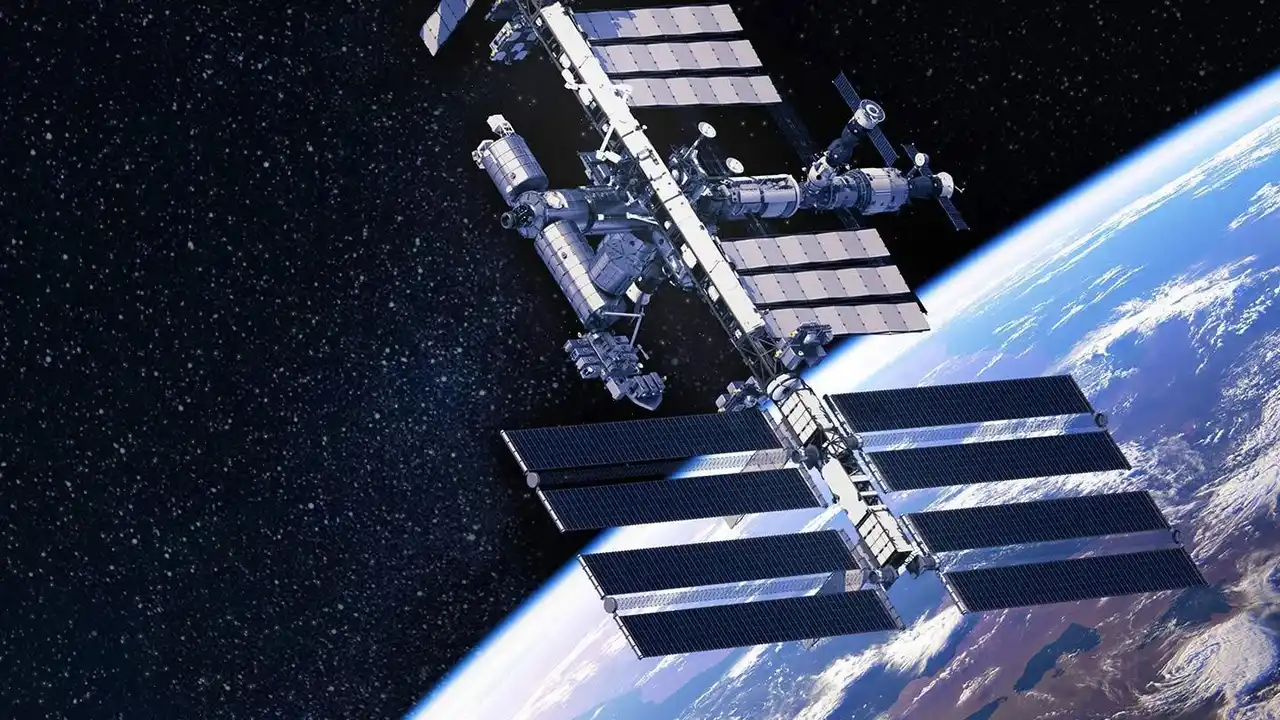
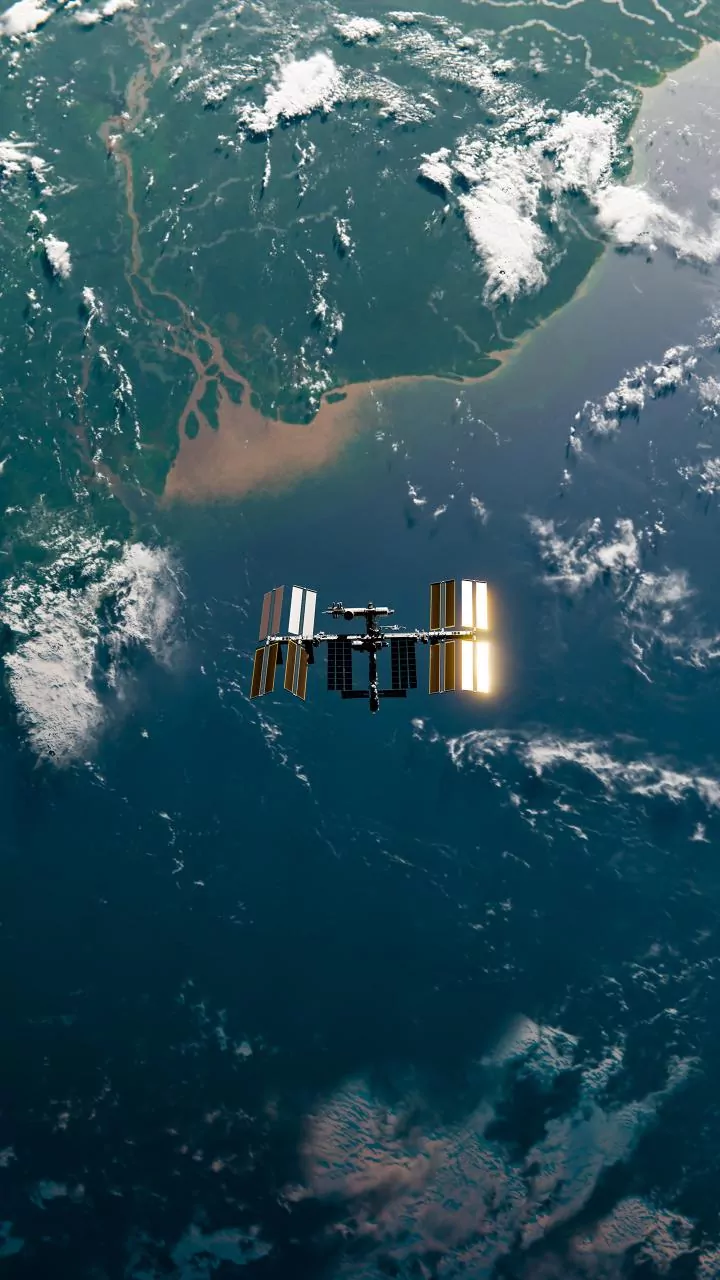
The International Space Station stands as one of humanity's greatest engineering achievements, a continuously inhabited symbol of global cooperation for more than 25 years. However, like all complex machines, it has a finite lifespan. After decades of service,
the 450,000 kg structure is showing its age, facing structural fatigue and rising maintenance costs that make its operation beyond 2030 unsustainable. NASA plans for a controlled deorbit of the station between 2030 and 2031, guiding it to a remote part of the Pacific Ocean known as the "spacecraft cemetery." This retirement is not an end for human presence in low-Earth orbit (LEO), but rather a transition. It marks the closing of a chapter defined by government-led exploration and opens the door for a new, commercially driven model.
NASA's Pivot to Private Enterprise
Instead of building a government-owned successor, NASA is charting a new course by becoming a customer rather than an owner. Through its Commercial Low Earth Orbit Destinations (CLD) program, the agency is investing in and supporting several private companies to develop their own space stations. The goal is to create a competitive marketplace of orbital platforms where NASA can purchase services like astronaut time and research capacity. This strategy aims to prevent a gap in American presence in LEO after the ISS is gone, ensuring continuous access for science and exploration. The plan is to have a minimum capability from at least one commercial station by 2029, with full operations and continuous crew presence by the end of 2030. This move is designed to lower costs for the taxpayer, accelerate innovation, and foster a robust LEO economy.
Meet the Frontrunners in the New Space Race
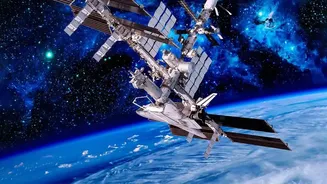
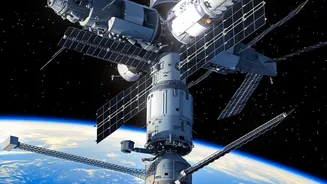
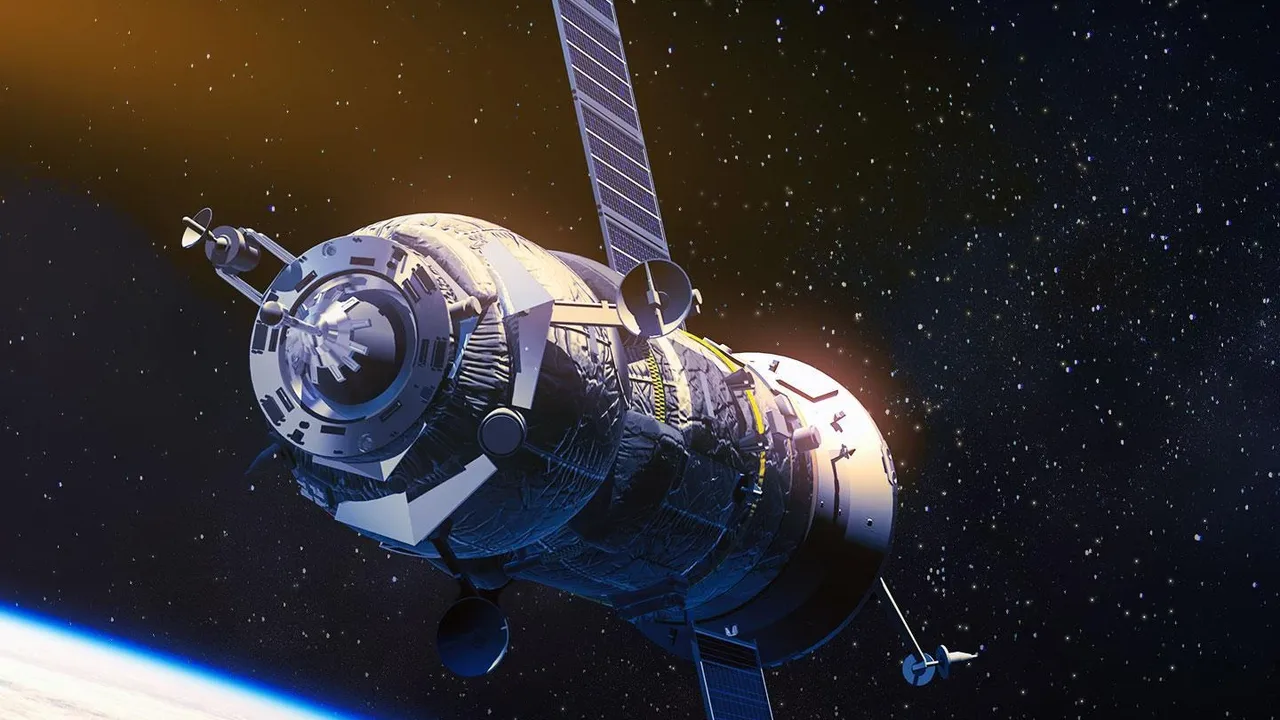
Several companies, backed by significant private investment and NASA funding, are vying to build the first commercial outposts. Axiom Space is a leading contender with its Axiom Station. Its unique plan involves first attaching its modules to the ISS to test and validate systems before detaching to become a free-flying station. Recent updates suggest Axiom is accelerating its timeline and could have an independent platform operational as early as 2028. Another major player is Starlab, a joint venture between US-based Voyager Space and European aerospace giant Airbus. Starlab is designed as a single-launch station, planned to fly aboard a SpaceX Starship around 2028, and will feature both a large habitat and a laboratory module. Blue Origin, in partnership with Sierra Space, is developing Orbital Reef, envisioned as a "mixed-use business park" in space. Finally, the startup Vast is developing Haven-1, a smaller, single-module station aiming to be one of the first to fly, with a launch targeted for 2027.
A New Economy in Orbit
These future commercial stations are designed to be more than just science labs. They are the foundation for a new LEO economy. The business models include a wide range of potential customers beyond government astronauts. Space tourism is a significant market, with companies planning to offer private citizens the chance to live and work in orbit. In-space manufacturing is another promising area, exploring the production of unique materials, from fiber optics to bioprinted organs, that can only be made in a microgravity environment. These stations will also serve as platforms for private research, international space agencies without their own stations, and even marketing and entertainment projects. Axiom Space, for example, is already building a module specifically for entertainment and film production. This diversification of services is key to creating a self-sustaining commercial ecosystem in space.
The Race Against Time
While the vision is ambitious, the timeline is tight. Ensuring that at least one of these commercial destinations is fully operational before the ISS is decommissioned is a critical challenge for both NASA and its commercial partners. Any significant delay could create a gap, leaving the United States without a human presence in low-Earth orbit for the first time in over three decades. The companies face immense technical and financial hurdles in designing, building, launching, and certifying brand-new human-rated habitats. NASA's CLD program has also seen policy shifts and funding debates that add complexity. However, the commitment from both the public and private sectors remains strong, driven by the belief that a continuous human foothold in LEO is essential for future exploration, scientific discovery, and national leadership in space.