






First, A Quick Quality Check
Before you pack up any food, the first step is a thorough assessment. Not all leftovers are suitable for donation. Only share food that you would be happy to serve to your own family. It should be fresh, untouched, and prepared hygienically. Avoid donating
items that have been sitting at room temperature for more than two hours, as bacteria can multiply rapidly in what is known as the 'danger zone'. Also, very oily, spicy, or high-maida items might not be ideal for everyone, especially children or the elderly. Items that have been partially eaten, or anything with a strange odour or appearance, should be composted or discarded instead. Most organisations also do not accept home-canned or home-preserved foods due to safety concerns.
Safe Handling and Storage is Crucial
Food safety is paramount. The Food Safety and Standards Authority of India (FSSAI) has specific guidelines for handling perishable food. If you plan to donate, refrigerate leftovers as quickly as possible, ideally within two hours of cooking. Hot foods intended for donation should be kept hot (above 60°C) and cold foods kept cold (below 5°C) right up until they are handed over. Use clean hands and utensils when handling the food. It's vital to pack vegetarian and non-vegetarian items separately to prevent cross-contamination and to respect dietary restrictions. This simple step ensures the food remains safe and enjoyable for the recipient.
Package and Label for Safety
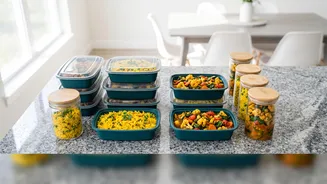
Proper packaging protects the food and provides essential information. Use clean, food-grade, and airtight containers to prevent spills and contamination during transport. Avoid flimsy packaging that can break or leak. Once packed, labelling is the next critical step. Clearly label each container with the name of the dish (e.g., 'Vegetable Biryani', 'Dal Tadka'), the date and time it was cooked, and whether it is vegetarian or non-vegetarian. If the dish contains common allergens like nuts, dairy, or gluten, it’s a good practice to mention that as well. This information helps the receiving organisation distribute the food safely and appropriately.
Finding the Right Place to Donate
Once your food is packed and labelled, you need to find a recipient. Many NGOs and community groups in India specialise in collecting and distributing surplus food. Organisations like the Robin Hood Army, Feeding India (a Zomato initiative), and No Food Waste operate in numerous cities. Many cities also have 'community fridges' where anyone can leave surplus food for others to take. A quick online search for 'food donation near me' or for specific groups in your city like Mumbai's Roti Bank by Dabbawalas can provide contact details. It is crucial to call the organisation in advance. Confirm if they accept cooked food, what their drop-off times are, and if they have any specific requirements. Some may offer pickup services for large quantities, especially from events or parties.
Timeliness is Everything
With cooked food, time is of the essence. The goal is to get the leftovers from your fridge to a person in need as quickly as possible to ensure freshness and safety. Plan your donation for the same day or, at the latest, the next morning. Don’t let food sit for days before deciding to donate it. Many organisations have specific windows for accepting cooked food, often in the evening, to align with their distribution schedules. Contacting them ahead of time allows them to plan and ensures that your well-intentioned donation doesn't go to waste because of bad timing. Promptness ensures the meal is not just a donation, but a dignified and enjoyable one.