





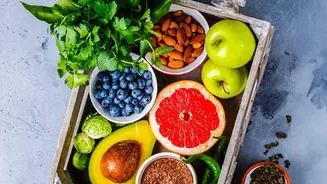
Embrace Gourds and Root Vegetables
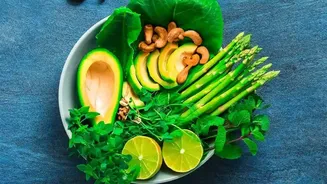
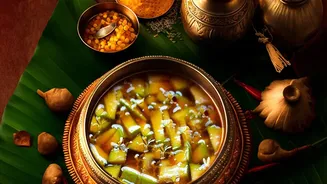
The monsoon is notorious for slowing down digestion. This is where seasonal vegetables like bitter gourd (karela), bottle gourd (lauki), and other gourds come in. These vegetables are light on the stomach and easy to digest. Bitter gourd, in particular,
is valued for its health properties. Additionally, root vegetables like ginger and garlic are staples for a reason. Ginger contains gingerol, which helps soothe upset stomachs and reduce inflammation, while garlic's active compound, allicin, has antibacterial and antiviral properties that can help your body fight off common monsoon ailments. Turmeric is another powerful root, with its compound curcumin providing potent anti-inflammatory and antioxidant benefits. Adding these to your daily cooking in soups, dals, or teas can significantly boost your body's defenses.
Choose Seasonal Fruits Wisely
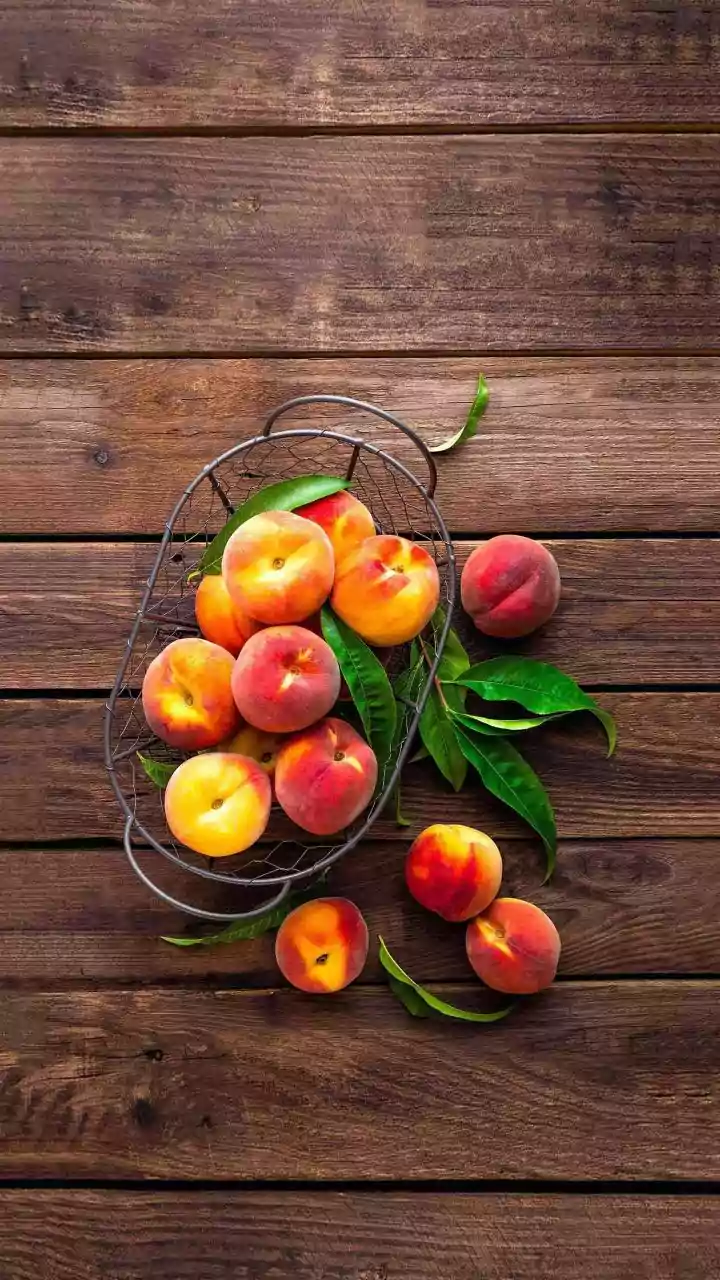
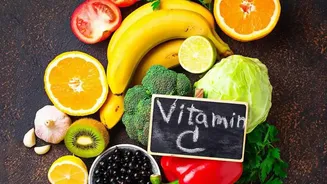
While it's tempting to eat all fruits, some are better suited for the monsoon. Seasonal fruits available in August, like Jamun (Indian blackberry), peaches, pears, and pomegranates, are excellent choices. Jamun is rich in Vitamin C, iron, and antioxidants, and it also aids digestion. Pomegranates are packed with Vitamin C and antioxidants that help reduce inflammation and support your body’s immune response. Fruits like apples and plums are also recommended during this season. Nutritionists advise washing all fruits thoroughly before consumption to avoid contaminants. It is also generally recommended to favour whole fruits over juices to retain their beneficial fibre content.
Prioritise Gut Health with Probiotics
A healthy gut is closely linked to a strong immune system, making it a priority during the monsoon. Probiotic-rich foods like yogurt (curd) and buttermilk (chaas) are highly recommended. Yogurt contains beneficial bacteria that support a healthy gut microbiome. Some experts suggest that buttermilk might be an even lighter option for the monsoon, especially when prepared with roasted cumin and black salt to aid digestion. Including a bowl of fresh, room-temperature curd with your lunch can be a simple way to keep your digestive system functioning smoothly.
Cook Leafy Greens and Eat Light Grains
While leafy green vegetables like spinach are nutrient-dense, during the monsoon, it's crucial to consume them cooked rather than raw. Cooking helps eliminate germs that may be present due to the high humidity and moisture. When it comes to grains and pulses, lighter options are preferred. Moong dal, for instance, is one of the most easily digestible lentils, making it perfect for this season. A simple Khichdi made from rice and moong dal is a classic Indian comfort food that is both nourishing and gentle on a sluggish digestive system. Millets like jowar and bajra are also great options, providing fibre and essential nutrients.
Don't Forget Nuts, Seeds, and Hydration
Nuts and seeds such as almonds, walnuts, and flaxseeds are nutritional powerhouses, providing healthy fats, Vitamin E, and zinc, which are all essential for a robust immune system. A small handful can be a perfect snack. Staying hydrated is also key. While you may feel less thirsty, it's important to drink plenty of clean, filtered, or boiled water to flush out toxins. Herbal teas made with ingredients like ginger, tulsi, and pepper are excellent for staying warm and boosting immunity.
General Monsoon Food Safety
Beyond specific foods, nutritionists emphasize a few key practices for the rainy season. Prioritise fresh, home-cooked meals whenever possible. Be extra cautious with street food, as the high humidity can lead to faster bacterial growth. It's crucial to wash all fruits and vegetables thoroughly before cooking or eating them. Simple hygiene, like washing your hands before meals, also goes a long way in preventing infections.