







The Hidden Rhythms of Your Destination
The key to a crowd-free holiday isn't just about avoiding your own country's peak seasons; it's about understanding the destination's internal clock. Every country marches to the beat of its own drum, with a unique schedule of national holidays, school
breaks, and regional festivals that might not appear on a standard international calendar. These events trigger huge waves of domestic travel, filling up hotels, trains, and top attractions. An otherwise quiet Tuesday could be the peak of a local multi-day festival, and an entire week in spring might be a national holiday period where millions of residents are on the move. By overlooking these local cycles, international visitors can accidentally walk into the busiest, most expensive time to be there.
Case Study: The 'Golden Week' Trap
Japan's Golden Week is a prime example of this phenomenon. Typically falling at the end of April and start of May, it combines four national holidays into one of the country's longest and most popular vacation periods. For unprepared tourists, the consequences are stark: bullet trains are sold out, hotel prices in popular spots like Kyoto can skyrocket, and queues at temples and parks become immense. Millions of Japanese people travel domestically during this time, creating a level of congestion that can overwhelm even the most patient visitor. Ironically, some major cities like Tokyo can feel slightly quieter in business districts as residents travel elsewhere, but major tourist hubs and family attractions become more packed than ever.
Your Crowd-Dodging Toolkit
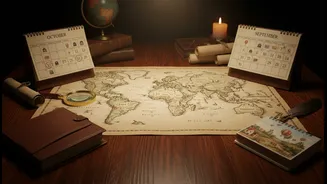
So, how do you get ahead of the curve? A little pre-trip research is all it takes. Start by searching for the "public holiday calendar" for your destination country and year. Official government and tourism websites are excellent resources. Next, look up the "school holiday schedule." In many countries, particularly in Europe, school breaks are staggered by region, creating rolling waves of travellers. Knowing these dates can help you sidestep family travel peaks. Finally, don't forget to search for major local events or festivals. A city's annual arts festival, a major sporting event, or a large-scale cultural celebration can draw hundreds of thousands of people, impacting accommodation and transport. Digital tools can also be a huge help; adding a country's holiday calendar to your own Google Calendar is often just a few clicks away.
Beyond the Obvious Holidays
It’s not just week-long national holidays you need to watch for. Many countries have smaller, regional observances that can cause localised crowding. A saint's day in a small Italian town, a harvest festival in a wine region, or even a large pop-up market can transform a quiet destination overnight. These events are often a fantastic way to experience local culture, but if your goal is peace and quiet, they can be a surprise you'd rather avoid. Checking the official website for the specific town or region you plan to visit can often reveal these smaller-scale events that bigger travel guides might miss.
When to Embrace the Crowds
Of course, sometimes the crowd is the entire point. Travelling specifically to experience a world-famous event like Thailand's Songkran water festival or Germany's Oktoberfest means you are actively seeking out the hustle and bustle. The key is planning. If you want to join a major celebration, you must book well in advance—often many months, if not a year, ahead. Accommodation and transport will be more expensive and will sell out quickly. Arriving with a plan, pre-purchased tickets for any specific venues, and a healthy dose of patience is essential. By planning to be part of the celebration, you can enjoy the vibrant energy instead of feeling overwhelmed by it.