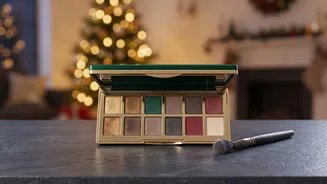







Diwali is a time for dazzling lights, vibrant celebrations, and stunning makeup. But after the festivities end, the most crucial beauty step is one we often rush: makeup removal. For eye health, gentle and thorough cleansing is non-negotiable.
Why Festive Makeup Demands Extra Care
During Diwali,
we often opt for more dramatic eye looks involving long-wear kajal, waterproof eyeliners and mascaras, and even glitter. These products are formulated to resist sweat and moisture, which is what makes them so difficult to remove. Simply washing your face is not enough. Sleeping in this makeup, or removing it too aggressively, can lead to significant eye problems that can spoil the festive mood. The skin around the eyes is the thinnest on the body, making it susceptible to damage from harsh rubbing. Furthermore, leftover makeup particles can clog the tiny oil glands along your lash line, leading to painful styes, blepharitis (eyelid inflammation), and dry eye disease.
The Risks of Improper Removal
Leaving makeup on overnight is a major risk. Mascara can flake off, causing particles to become embedded under the eyelid. In a well-documented case, a woman who didn't remove her mascara for 25 years developed calcified lumps under her eyelids that scratched her corneas, leading to chronic infection and permanent scarring. While this is an extreme example, it highlights a real danger. Sharing makeup or using old products can also introduce bacteria, leading to infections like conjunctivitis, commonly known as pink eye. Symptoms of a problem include redness, itching, a gritty feeling, discharge, or changes in vision. If these occur, you should stop using the product immediately.
Your Step-by-Step Gentle Removal Guide
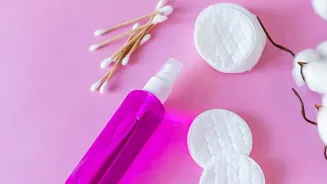
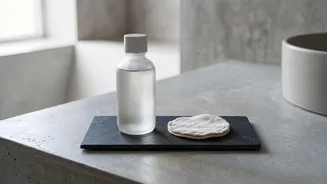
The key to safe removal is to dissolve makeup, not scrub it off. Follow this process for clean and healthy eyes. First, always wash your hands thoroughly before touching your eyes. If you wear contact lenses, remove them before you begin. Next, tackle the eye makeup. Soak a cotton pad in a bi-phase (oil and water) makeup remover, cleansing oil, or micellar water designed for waterproof formulas. Close your eye and hold the soaked pad over your lid and lashes for at least 20-30 seconds. This gives the product time to break down the stubborn mascara and liner. Then, wipe gently downwards in one direction, avoiding any harsh back-and-forth rubbing. For stubborn kajal on the waterline, use a clean cotton bud dipped in remover and gently roll it along the lash line. Finally, once eye makeup is gone, proceed with your regular face cleanser to remove any remaining residue.
Choosing the Right Products
Not all removers are created equal. Oil_based cleansers,' cleansing balms,' or bi_phase removers are generally most effective for heavy,' waterproof makeup because they dissolve it without friction.' Micellar water is a good option for lighter makeup.' Some ophthalmologists even recommend simple products like petroleum jelly or tear_free baby shampoo for their gentle effectiveness.' When selecting products,' look for ones that are ophthalmologist_tested,' hypoallergenic,' and free from potential irritants like alcohol and fragrance,' especially if you have sensitive eyes.' Always be sure to check the expiry date on your makeup;' liquid eye products should typically be replaced every three to four months to prevent bacterial growth.
Common Mistakes to Avoid
The biggest mistake is rubbing your eyes too hard.' This can cause irritation,' stretch the delicate skin leading to fine lines,' and even cause lashes to fall out.' Another common error is applying products directly to the waterline,' which can block glands and increase infection risk.' Never share your eye makeup,' as this is a primary way infections are spread.' Finally,' be wary of glitter.' Use only cosmetic_grade glitter designed for the eye area,' as craft glitter can scratch the cornea.' If you get glitter in your eye,' do not rub it;' instead,' flush the eye with sterile saline or artificial tears.