


Why Yoga Works So Fast
When you feel stressed, your body enters a 'fight-or-flight' mode, causing a rapid heartbeat, shallow breathing, and tense muscles. Yoga and specific breathing techniques help activate the parasympathetic nervous system, also known as the 'rest-and-digest'
system. This shift happens quickly. Consciously slowing your breath sends a signal to your brain to relax, which then relays that message throughout your body, lowering your heart rate and reducing feelings of anxiety almost instantly. It’s a simple bio-hack that uses your own breath to interrupt the stress cycle.
The Power of a Single Breath
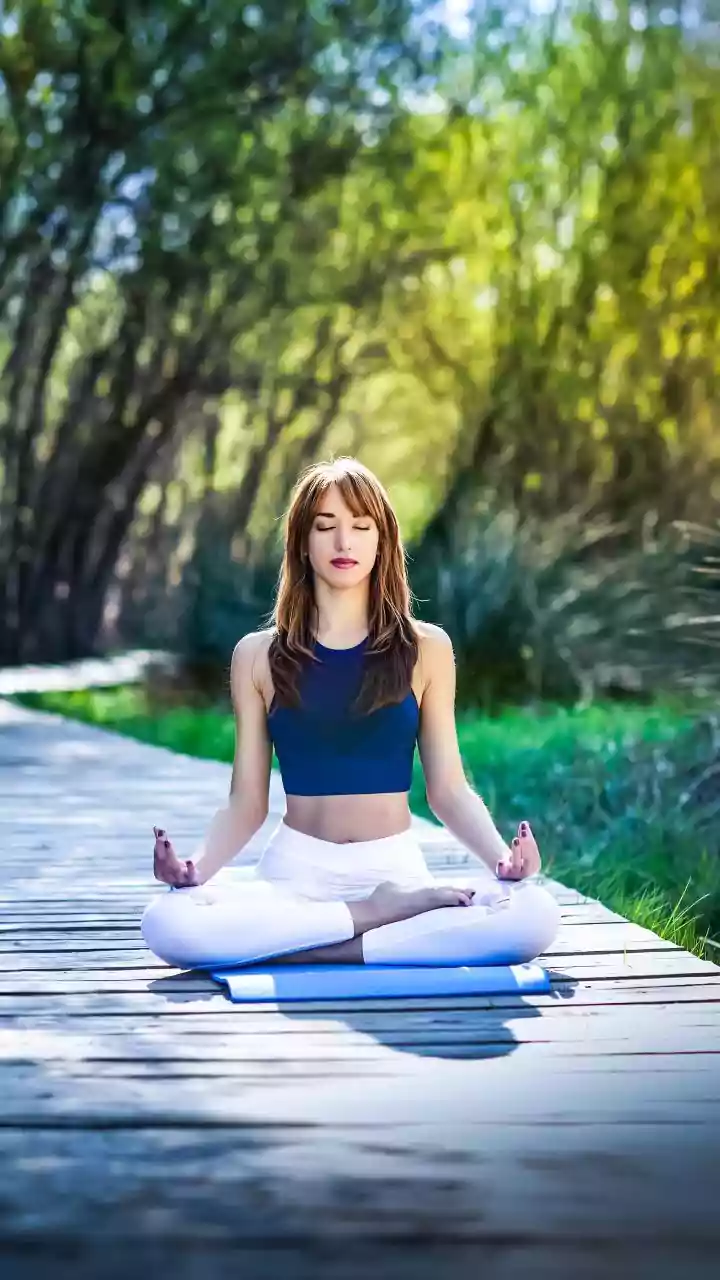
One of the quickest ways to manage a spike in exam anxiety is through controlled breathing. You don’t need a mat or any special equipment; you can do it right at your study desk or even just before walking into the exam hall. A simple and effective method is 'Box Breathing'. Imagine drawing a square with your breath: inhale slowly for a count of four, hold your breath for four, exhale slowly for four, and hold again for four. Repeating this for just one or two minutes can calm your nervous system and bring a sense of immediate clarity.
Simple Stretches at Your Study Desk
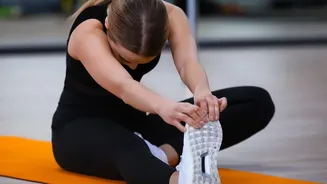
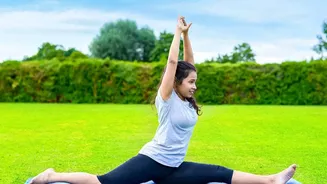
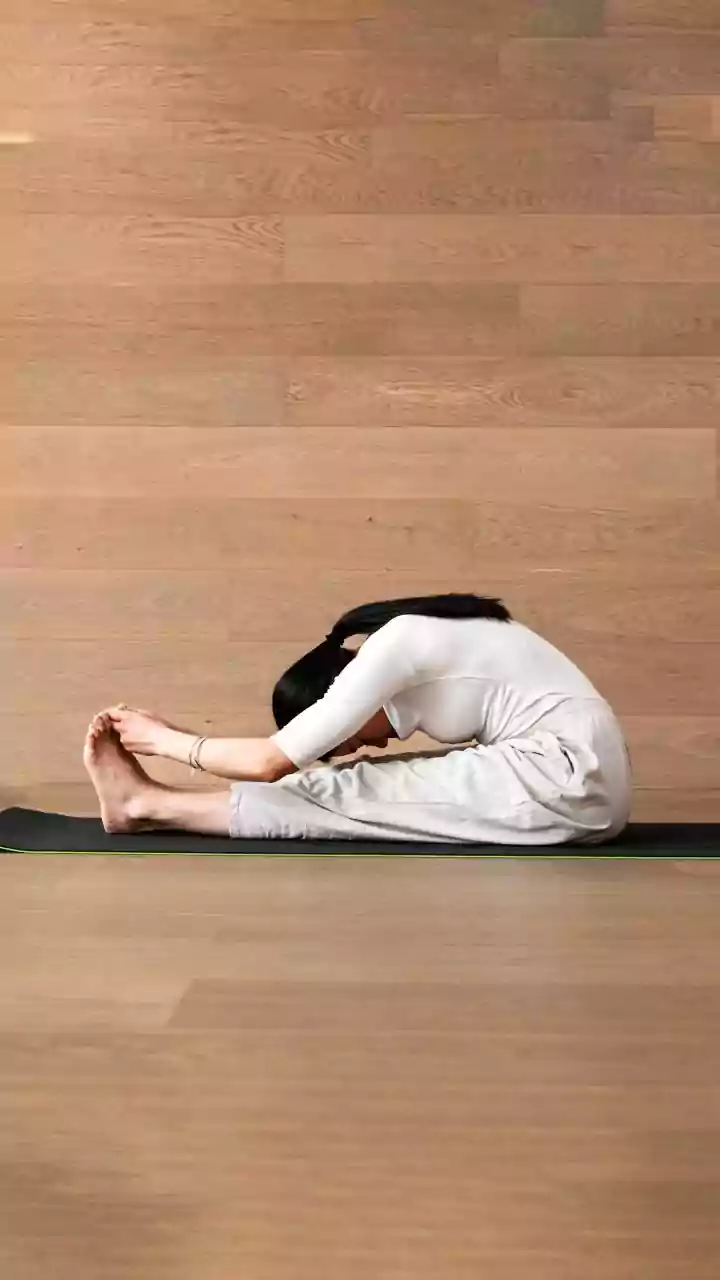
Long hours of studying can create physical tension, especially in the neck, shoulders, and back. Simple desk-based yoga can release this tension and refresh your mind. Try a Seated Cat-Cow. Sit on the edge of your chair with your feet flat on the floor. On an inhale, arch your back and look up, opening your chest. On an exhale, round your spine and drop your chin to your chest, like a cat stretching. Another great stretch is a Seated Forward Fold. Extend your legs, and on an exhale, gently fold your torso over your legs, letting your head and neck relax. These movements improve blood circulation to the brain, which can enhance focus.
A Quick 'Reset' With Child's Pose
When you feel completely overwhelmed, taking a five-minute break for a restorative pose can make a world of difference. Child's Pose (Balasana) is one of the most effective for immediate stress relief. Kneel on the floor, sit back on your heels, and fold forward, resting your forehead on the ground with your arms stretched out in front of you or resting alongside your body. This pose gently stretches the back, quiets the mind, and encourages the deep, calm breathing needed to reset your nervous system. It’s like giving your brain a mini-vacation from stress.
Ground Yourself with Your Senses
Stress often comes from worrying about the future ('what if I fail?') or dwelling on the past. Mindfulness helps anchor you in the present moment. A simple grounding technique is the 'Five Senses' exercise. Wherever you are, pause and silently name: five things you can see, four things you can feel (like the chair beneath you or the texture of your jeans), three things you can hear, two things you can smell, and one thing you can taste. This simple act pulls your focus away from anxious thoughts and into your immediate environment, offering a fast mental reset.
Make It Fun, Not a Chore
For these practices to be effective, they need to be enjoyable. The goal isn’t to become a perfect yogi but to find moments of peace. Try creating a short playlist of calming music to listen to while you stretch. You can practice some of these simple breathing exercises with a friend during a study break. The idea is to associate these techniques with relief and fun, not as another task on your to-do list. When it feels good, you’re more likely to turn to it when stress levels rise, building a healthy coping mechanism that will serve you well beyond exam season.