


Malpua: The Ancient Pancake
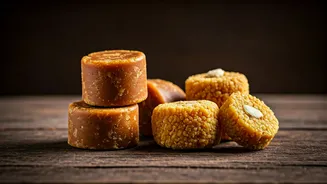
Often hailed as India's oldest dessert, the Malpua has a history stretching back to the Vedic period, where it was known as 'apupa'. [14] The earliest mentions in the Rig Veda describe a sweet cake made from barley flour, fried in ghee, and dipped in honey.
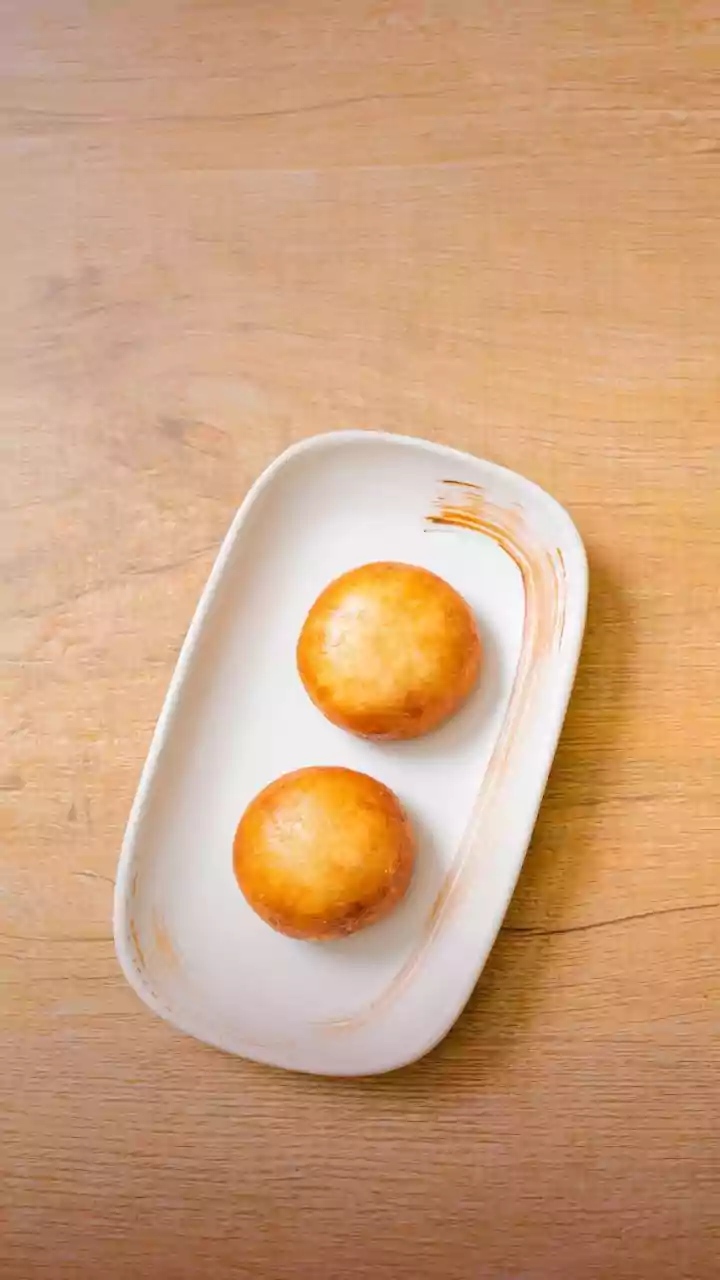
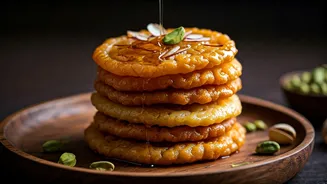
[24, 26] Today, this rustic pancake has evolved but remains a festive staple, especially during Holi and Diwali. [2] The batter, now typically made with flour and milk, is deep-fried to create a dessert that is delightfully crispy on the edges and soft in the center, all soaked in fragrant sugar syrup. [2] Often served with a dollop of creamy rabri, Malpua is a beloved treat across Northern and Eastern India. [10] Its preparation is a highlight at temples, notably as part of the 'chappan bhog' (56 offerings) at the Jagannath Temple in Puri. [10, 26]
Shahi Tukda: The Royal Morsel
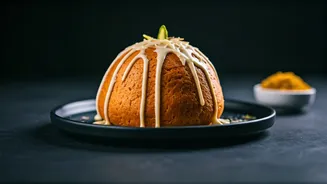
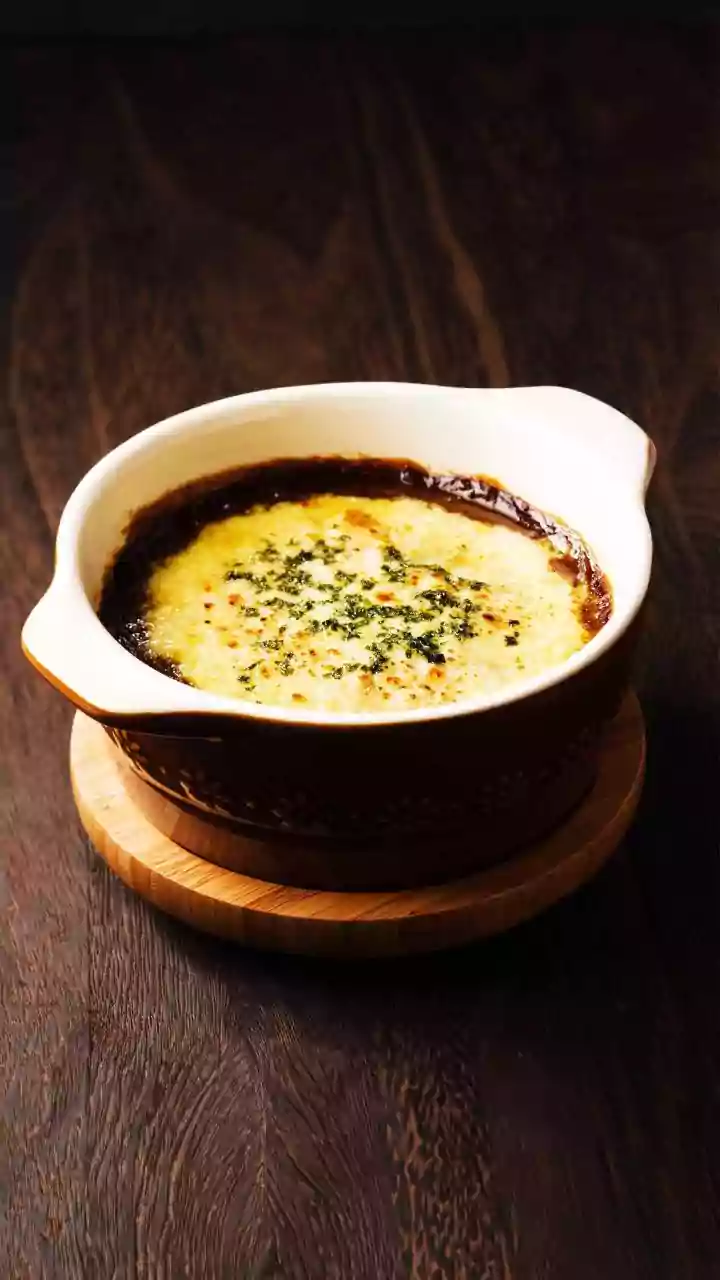
True to its name, which translates to 'royal piece', Shahi Tukda is a decadent dessert with Mughlai origins. [4, 5] Believed to have been created in the 16th century, it is a testament to the culinary ingenuity of royal kitchens, which aimed to create something spectacular from simple, everyday ingredients. [3, 4] The dish is essentially a rich bread pudding, born from the clever idea of using leftover bread slices. [3] These slices are fried in ghee until golden and crisp, then soaked in a sweet, fragrant syrup infused with cardamom and saffron, and finally topped with a generous layer of thick, creamy rabri and a garnish of chopped nuts. [4, 5] While some theories link its origins to Middle Eastern desserts like Umm Ali, Shahi Tukda has become a distinctly Indian indulgence, especially popular during celebrations like Eid and Ramadan. [5, 23]
Gulab Jamun: The Quintessential Indulgence
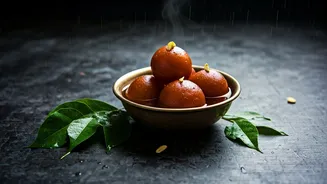
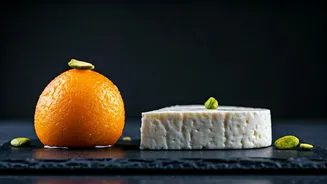
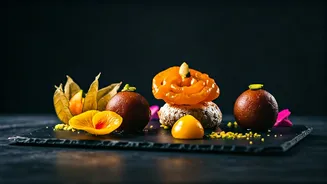
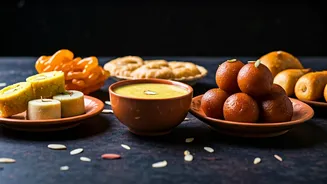
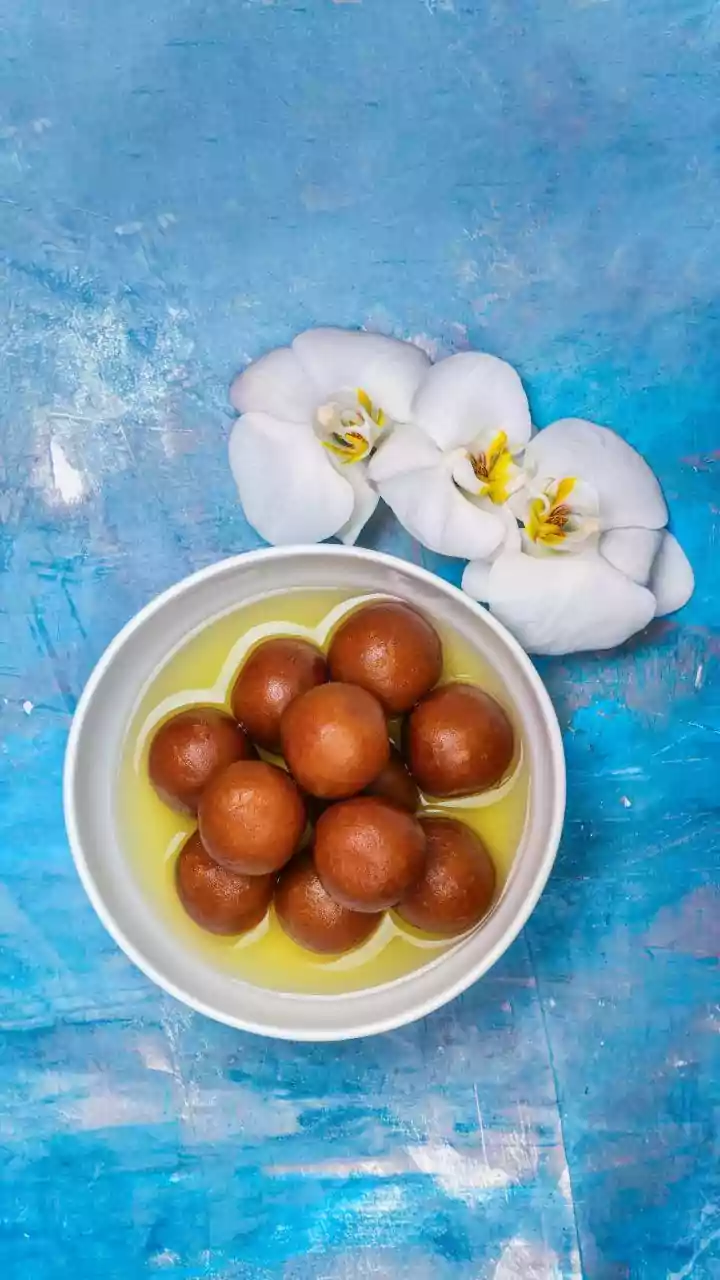
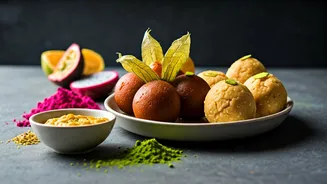
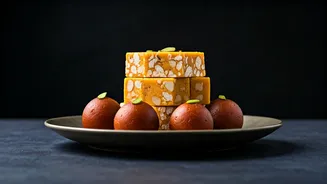
No Indian celebration feels complete without the presence of Gulab Jamun. These soft, spongy balls are made from milk solids, traditionally khoya, which are kneaded into a dough, deep-fried to a deep golden-brown, and then soaked in a rose-flavoured sugar syrup. [7, 8, 15] The name itself is a combination of the Persian words 'gulab' (rose) and 'jamun' (an Indian berry it resembles in shape and colour). [15, 18] Its origins are often traced back to medieval India with Persian influences, where a similar dessert called 'luqmat al-qadi' was popular. [7, 13] Over centuries, it was perfected in the royal Mughal kitchens and became the beloved sweet it is today, symbolizing joy and togetherness at festivals and family gatherings. [7, 15]
Jalebi: The Sweet Spiral of Joy
With its bright orange, intricate spirals, Jalebi is as much a feast for the eyes as it is for the palate. This popular street food and festive dessert is made by piping a fermented batter of wheat flour into hot oil in a circular motion, then soaking the crispy fried coils in sugar syrup. [9, 22] Like Gulab Jamun, Jalebi's history points to a Persian origin, where it was known as 'Zulbiya'. [6, 21] It was brought to India by Persian invaders and quickly became an integral part of the subcontinent's culinary fabric. [9, 25] Jalebi is a symbol of celebration, frequently prepared during festivals like Diwali and Eid. [6, 22] Enjoyed warm, either on its own or paired with milk, it offers a perfect combination of crispy texture and syrupy sweetness.
Kheer: The Timeless Comfort Pudding
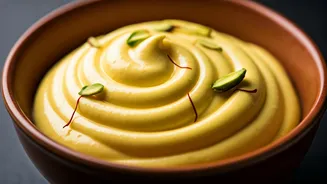
Kheer, or Payasam in South India, is the quintessential Indian comfort dessert, a creamy rice pudding that evokes feelings of home and nostalgia. [11, 27] Its roots are ancient, with some believing it originated in the Jagannath Temple in Odisha around 2,000 years ago, where it was served as an offering to deities. [12, 16] The word 'kheer' is derived from the Sanskrit 'kshira', meaning milk. [11] The basic preparation involves slow-boiling rice with milk and sugar until it thickens into a creamy consistency. [12] The pudding is then often flavoured with cardamom, saffron, and garnished with nuts and dried fruits. [11, 16] Its beauty lies in its versatility, with variations made from vermicelli (seviyan), tapioca (sabudana), or even carrots (gajar). [17, 20] It's a staple at nearly every auspicious occasion, from birthdays to religious festivals, symbolizing purity, prosperity, and joy. [12]