








The Anatomy of Airport Stress
For parents, an airport is a gauntlet of potential stress triggers. A 2024 study highlighted that 78% of parents with children under 18 experience stress related to travel arrangements. This isn't just about the flight itself; the airport environment
is a major contributor. Long queues for check-in and security, the sensory overload of announcements and crowds, and the constant vigilance required to keep children safe in a vast, unfamiliar space all add to the cognitive load. Key stressors often include juggling luggage, strollers, and children simultaneously; finding clean and accessible family restrooms; and keeping kids entertained during long waits and delays, which one survey found to be the single most demanding aspect for 64% of parents. This creates an experience where parents are not just travellers, but high-alert project managers navigating a complex, often uncooperative, environment.
Designing for Delight, Not Just Departure
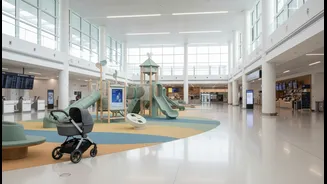
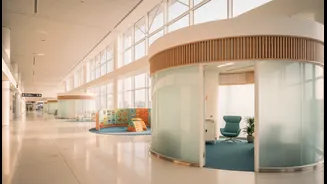
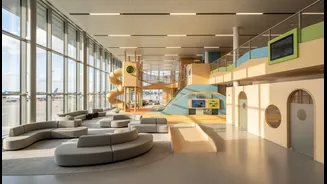
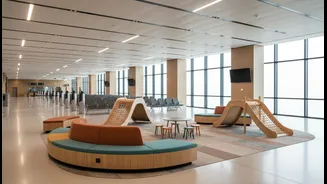
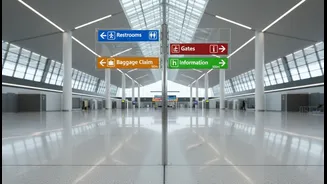
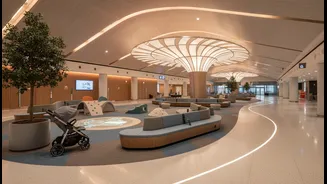
The good news is that many airports are starting to recognise that a better family experience is good for everyone. The most visible solutions are amenities like play areas, which are becoming increasingly common. However, truly impactful design goes deeper. It's about integrating family needs into the core infrastructure. This includes dedicated family lanes at security and immigration, as pioneered by airports in Europe and now being tested in the US. It also means creating restrooms with space for a stroller, a child, and an adult, or private baby care lounges with pods for napping and feeding, like those at Amsterdam's Schiphol Airport. Even simple things, like ensuring clear, visual wayfinding, can reduce the mental effort required from an already-taxed parent, making the journey feel more intuitive and less like a frantic search.
Beyond the Ball Pit
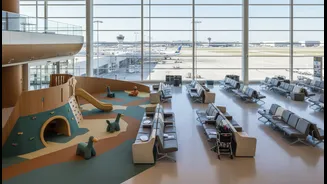
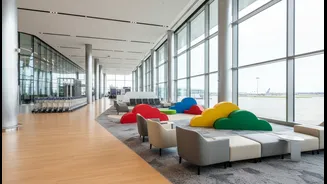
While a dedicated play area is a welcome sight, its effectiveness is limited if it's isolated from where families need to be. The most forward-thinking airports integrate play into gate seating areas, allowing parents to relax while keeping an eye on their children. The concept of 'biophilic design'—incorporating natural elements like light, water, and plants—is also gaining traction. Singapore's Changi Airport, with its indoor waterfall and butterfly garden, is a prime example of how creating a calming, visually engaging environment can reduce stress for all passengers, not just families. Other innovations focus on reducing hassle, such as offering free stroller rentals, mobile apps with real-time information on family facilities, and even augmented reality experiences to keep older children engaged.
The Evidence Gap: Does It Actually Work?
This brings us to the crucial part of the headline: "evidence still matters." While airports like Seoul Incheon and Singapore Changi consistently win awards for being family-friendly, these accolades are often based on the quantity and quality of amenities offered. What's largely missing is scientific, evidence-based research on whether these features actually reduce parental stress. Researchers are beginning to propose methodologies using biometric sensors to quantify the physiological impact of airport design on passenger stress levels. The goal is to move from a precedent-based design approach—copying what other airports do—to an evidence-based one, where changes are proven to improve well-being. Do family security lanes tangibly lower a parent's heart rate? Do play areas at the gate lead to measurably lower cortisol levels? These are the questions that need answers to justify investment and perfect the formula.
Pioneers in Passenger Well-Being
Several airports are leading the charge, providing a glimpse of a less stressful future. Istanbul Airport is noted for its family-friendly security lines and numerous play areas. In the US, airports like Chicago O'Hare have created Family Lounges with colourful seating and live entertainment. Some airports are also introducing sensory rooms with softer lighting and enhanced soundproofing to help those with anxiety or neurodivergent needs. These efforts are part of a larger movement towards seeing airports not just as transport hubs, but as environments that have a direct impact on passenger well-being. By focusing on the human experience, these airports demonstrate that a calm, comfortable journey is not a luxury, but an achievable standard.