


More Than a Buzzword
You’ve probably heard about Bhutan’s 'Gross National Happiness' (GNH). It’s easy to dismiss as a clever marketing slogan, but in the Land of the Thunder Dragon, it’s a tangible philosophy that shapes everyday life and government policy. Unlike a relentless
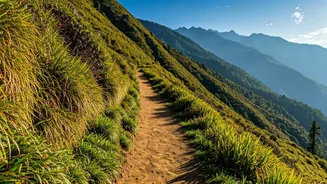
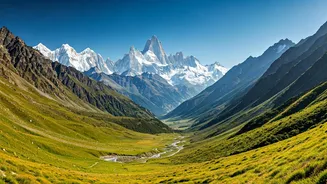
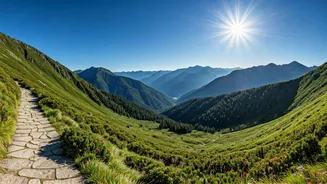
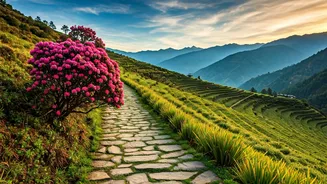
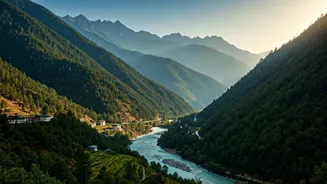
focus on economic growth, GNH prioritises holistic well-being, environmental conservation, cultural preservation, and good governance. For a visitor, this translates into an atmosphere that is palpably different. You won’t find sprawling mega-malls or aggressive tourist traps. Instead, you'll find pristine landscapes, beautifully preserved architecture, and a population that seems genuinely content with a simpler, more mindful pace of life. It’s the country’s guiding principle, and it creates a national mood of calm that is as refreshing as its mountain air.
Sustainability With a Purpose
Bhutan was a pioneer in sustainable tourism long before it became a global trend. The kingdom famously mandates a 'Sustainable Development Fee' (SDF) for most international tourists. While this might sound like just another tax, it’s the secret to Bhutan’s magic. This fee directly funds public services like healthcare and education, protects the nation’s forests (which cover over 70% of the country), and prevents the kind of over-tourism that has plagued other beautiful destinations. Here's the best part for us: as a gesture of the special relationship between our nations, Indian tourists pay a significantly lower SDF. This policy isn’t about exclusion; it's about preservation. It ensures that every visit contributes positively to the country, maintaining the very serenity and beauty that drew you there in the first place.
The 'Close-to-Home' Advantage
One of Bhutan’s most compelling features for Indian travellers is its incredible accessibility. It’s a foreign country that feels remarkably welcoming and familiar. Indians do not need a visa to enter Bhutan; you simply need to obtain a permit at the port of entry, either at Paro International Airport or at land border crossings like Phuentsholing. You just need a valid passport or Voter ID card. Furthermore, the Indian Rupee is widely accepted in many places (though it’s wise to carry some Bhutanese Ngultrum, which is pegged to the INR). Daily flights connect Paro with major Indian cities like Delhi, Kolkata, and Guwahati. This ease of access removes the usual friction of international travel, making a spontaneous, long-weekend trip entirely possible. It’s an escape that’s both profound and practical.
A Different Rhythm of Life
The 'peaceful' part of the promise isn't just about quiet mountains; it's woven into the fabric of society. There’s a distinct lack of hurry. Traffic in the capital, Thimphu, is orderly and calm—it's famously the only capital city in the world without traffic lights. Conversations are unhurried. The focus is on community, spirituality, and nature. Instead of a day spent shopping, a typical day in Bhutan might involve a hike to a cliffside monastery, a quiet moment overlooking a verdant valley, or a visit to a local market where the produce is fresh and the smiles are genuine. This slower rhythm forces you to disconnect from your phone and reconnect with your surroundings and yourself. It’s a powerful antidote to the burnout of modern urban life.
Adventure for the Mind and Soul
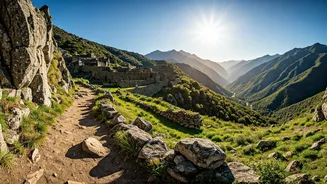
While peaceful, Bhutan is far from boring. The country offers adventures that are both thrilling and deeply meaningful. The iconic trek to Paro Taktsang, the 'Tiger’s Nest' monastery clinging precariously to a cliffside, is a pilgrimage that tests your body and rewards your spirit with breathtaking views and a profound sense of accomplishment. You can explore the grand Punakha Dzong, a majestic fortress at the confluence of two rivers, or try your hand at archery, the national sport. The cuisine is a journey in itself, with the fiery 'Ema Datshi' (chillies and cheese) being a must-try for the brave. Every experience, whether it’s crossing a prayer flag-strewn suspension bridge or simply sipping butter tea with a local family, feels authentic and untainted by mass commercialism.