





Our Sun's 11-Year Heartbeat
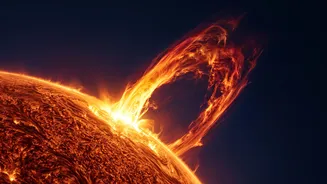
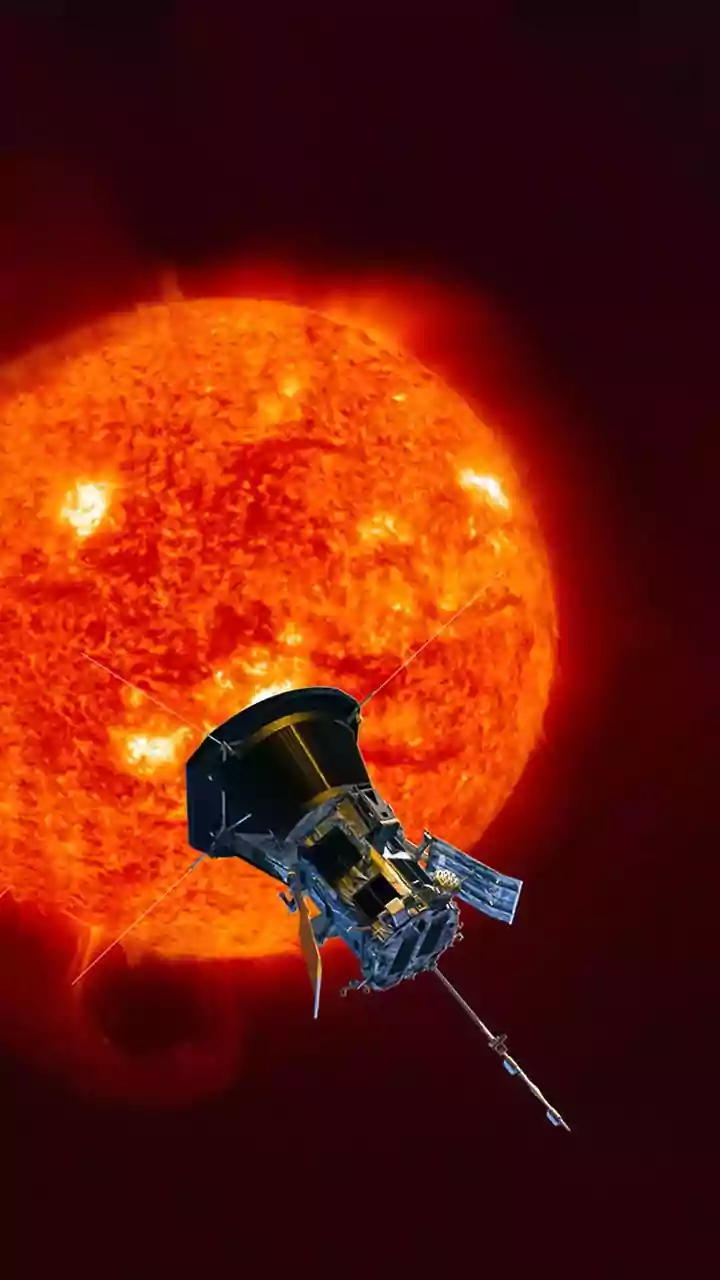
Our sun operates on an approximately 11-year cycle, swinging between periods of calm and intense activity. The quiet phase is known as the solar minimum, marked by few sunspots. The peak of this activity is called the solar maximum, a time when the sun's
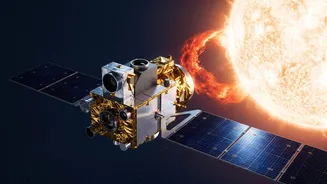
surface is teeming with sunspots. These sunspots are magnetically complex regions that can erupt, launching massive bursts of energy and particles into space, known as solar flares and coronal mass ejections (CMEs). It's during this solar maximum that the sun's magnetic poles also flip. This entire process is the engine that drives the beautiful auroral displays seen on Earth.
An Unexpectedly Energetic Sun
The current cycle, Solar Cycle 25, which began in December 2019, has been full of surprises. Initial forecasts from scientific bodies like NASA and NOAA predicted a relatively weak cycle, similar to the previous one. However, the sun has been far more active than anticipated, with sunspot numbers and solar eruptions consistently exceeding predictions. This has led scientists to revise their forecasts, with the peak of activity, or solar maximum, arriving earlier and with more intensity. The peak is now believed to have occurred in late 2024 or early 2025. So, what does this mean for 2026? Even though the absolute peak may have passed, the years following are often filled with high levels of activity. This 'declining phase' can still produce powerful solar events, meaning the chances of seeing spectacular auroras will remain strong through 2026 and even into 2027.
From Solar Eruption to Earthly Lightshow
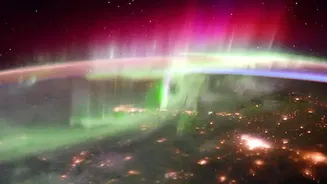
The journey from a solar eruption to an aurora is a fascinating one. When the sun releases a CME, it sends a super-fast stream of charged particles, called solar wind, hurtling toward Earth. Our planet is protected by a magnetic field, the magnetosphere, which deflects most of this solar wind. However, during a strong solar event, this shield can be overwhelmed. Charged particles are guided by the magnetic field lines toward the North and South Poles. As these high-energy particles collide with gas atoms and molecules—primarily oxygen and nitrogen—in our upper atmosphere, they transfer energy, causing the gases to glow. The result is the breathtaking, colourful display we know as the aurora borealis (Northern Lights) and aurora australis (Southern Lights).
The Colours of the Cosmos
The specific colours of an aurora depend on which gas is being excited and at what altitude the collision occurs. The most common colour is a brilliant green, produced by collisions with oxygen molecules at altitudes of about 100 to 300 kilometres. Higher-altitude oxygen, above 300 kilometres, can create rare, all-red auroras. Collisions with nitrogen molecules are responsible for the beautiful pink, blue, and purple hues that can sometimes be seen dancing in the sky. During a period of intense solar activity like the one we're in, these displays become more frequent, more vibrant, and can be seen at lower latitudes than usual.
More Than Just a Pretty Sight
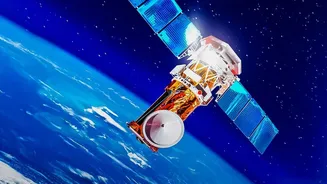
While auroras are the most beautiful effect of a solar maximum, these powerful solar events can have other, more disruptive impacts on our technology-dependent world. Intense geomagnetic storms can interfere with radio communications and GPS navigation systems. They can also pose a risk to satellites in orbit; a solar storm in 2022 famously led to the loss of dozens of Starlink satellites. In extreme cases, these storms can induce currents in power grids on the ground, potentially causing widespread blackouts, as happened in Quebec in 1989.