





A Symphony of Sights and Smells
The pre-Diwali market is an immersion of the senses. In historic hubs like Delhi's Chandni Chowk or Mumbai's Colaba Causeway, the air grows thick with a unique blend of fragrances. Heady scents of fresh marigold garlands mix with the earthy aroma of clay
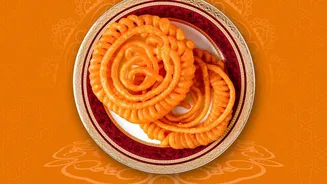
lamps and the sweet, tempting perfume of freshly fried jalebis. Stalls overflow with colourful powders for rangoli, gleaming brass puja items, and strings of dazzling lights. The sound is a constant, joyful hum of thousands of conversations, the spirited back-and-forth of bargaining, and the sizzle of oil from street-side vendors preparing snacks for weary shoppers. It’s a scene of organised chaos, a vibrant testament to a tradition that brings entire communities out onto the streets.
Stocking the Festive Pantry
At the heart of this frenzy is food. Diwali celebrations are synonymous with an abundance of homemade sweets (mithai) and savoury snacks (namkeen), and the foundation of these delicacies begins in the market. The shopping lists are long and specific. Baskets and bags are filled with essentials: high-quality besan (chickpea flour) for making ladoos, fine rava (semolina) for barfis, and bags of premium-grade sugar. Ghee, the clarified butter that lends richness and aroma to nearly every festive dish, is purchased in large tins. Perhaps most importantly, markets like Khari Baoli in Delhi see a tremendous demand for dried fruits and nuts; almonds, pistachios, cashews, and raisins are indispensable for garnishing sweets and making rich fillings. These raw ingredients are the building blocks of culinary traditions passed down through generations.
From Ladoos to Chaklis: The Stars of the Show
The ingredients sourced from these markets soon transform into an incredible array of festive foods. In kitchens across the country, families gather to prepare classic sweets. Besan Ladoo, a nutty and crumbly sweet, is a North Indian classic. Gujiya, a sweet dumpling filled with khoya (milk solids) and nuts, is another favourite. Then there are the various kinds of barfi, a fudge-like confection made from condensed milk, with popular variations including pistachio and coconut. But it's not all sweet. Savoury snacks are just as crucial. Crispy, spiral-shaped chakli (or murukku), flaky mathri crackers, and spicy samosas provide a necessary balance to the sugary treats, perfect for serving guests who drop by throughout the five-day festival.
The Lifeline for Local Vendors
Beyond the cultural significance, this period is a vital economic engine for millions. For countless small-scale vendors, local artisans, and family-run shops, the Diwali season represents a significant portion of their annual income. Some analysts estimate that this festive period can account for up to 30-40% of yearly sales for small retailers. Many of these sellers are generational, occupying the same spot in the market their parents and grandparents did, their livelihoods intrinsically linked to the festival. The surge in consumer spending creates a ripple effect, supporting not just the shopkeepers but also the potters who craft the diyas, the farmers who supply the ingredients, and the artisans who make decorative items.
An Enduring Tradition in a Modern World
In an age of e-commerce and instant grocery delivery, the persistence of the pre-Diwali market run is remarkable. While online platforms see a massive spike in sales, millions still choose the tangible experience of the local bazaar. This choice is about more than just shopping; it's a ritual. It’s about feeling connected to the community, personally selecting the best ingredients, and soaking in the festive atmosphere that no app can replicate. Walking through these crowded lanes is an act of participation in a shared cultural rhythm, a way of physically and emotionally preparing for the season of light and renewal.