



The Wall Sit Goes Viral
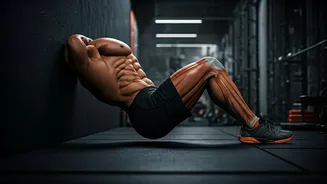
Across social media platforms, a fitness trend is testing the limits of leg strength and mental grit. Popular calisthenics channels are launching community-wide wall sit challenges, encouraging millions of followers to find a wall, slide down into a seated
position, and hold it for as long as possible. The premise is simple, but the burn is real. These challenges are not just about individual performance; they are a collective experience, with participants sharing their times, their struggles, and their triumphs online. The accessibility of the exercise—requiring nothing more than a wall—has allowed it to become a global phenomenon, uniting fitness enthusiasts from beginners to seasoned athletes in a shared test of endurance.
More Than Just a Burn
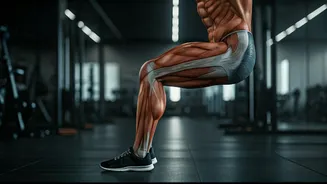
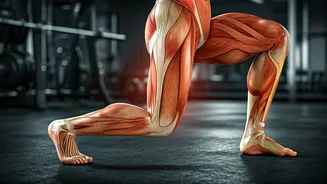
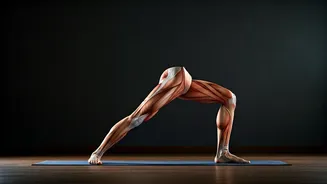
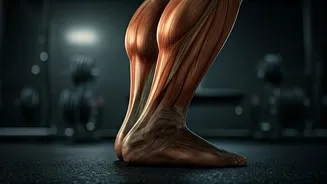
The wall sit, or static squat, is an isometric exercise, meaning it builds strength by holding a single position. [1] This simple hold is a powerhouse for the lower body, primarily targeting the quadriceps, glutes, and calves. [1] As an isometric hold, it's exceptionally good at building muscular endurance, which is the ability of your muscles to sustain contraction over time. [4, 1] Beyond leg strength, a proper wall sit engages your core muscles to keep your back flat against the wall and your body stable. [12, 2] This makes it a compound exercise that delivers significant benefits, including improved balance and even potentially lower blood pressure. [4, 12] Unlike high-impact exercises, wall sits are also gentle on the joints, particularly the knees, making them a great option for strengthening supporting muscles without causing strain. [1, 13]
The Community of Agony
So why are people willingly subjecting their quads to this unique form of torture? The answer lies in the power of community. [15] Fitness challenges create a sense of shared purpose and friendly competition that can be incredibly motivating. [17, 14] When you know thousands of others are also staring at a wall, legs trembling, it fosters a sense of camaraderie. [18] This collective struggle makes the challenge feel less like a chore and more like a group event. [16, 17] Calisthenics influencers tap into this by creating leaderboards, shoutouts, and hashtags, transforming a solitary exercise into a massive, interactive experience. This community aspect provides accountability and encouragement, pushing participants to hold on for just a few seconds longer than they thought they could. [18, 14]
Pushing Limits Safely
While the goal is to push your endurance, proper form is crucial to reap the benefits and avoid injury. [3] The ideal position involves sliding your back down the wall until your hips and knees form a 90-degree angle, with your thighs parallel to the floor. [22, 1] Your feet should be hip-width apart, and your knees should be directly above your ankles, not extending past them. [10, 2] It's vital to keep your entire back and shoulders pressed firmly against the wall. [2, 4] Common mistakes include not sitting low enough, which reduces the exercise's effectiveness, or placing hands on the thighs, which takes the load off the muscles you're trying to work. [4, 2] Individuals with pre-existing knee or back issues should approach with caution and consult a professional. [3]
How to Join the Challenge
Inspired to test your own limits? Getting started is easy. Find a sturdy, flat wall. Walk your feet out about two feet from the base, then slide down into position. [1] If you're a beginner, don't worry about hitting a 90-degree angle right away; start where you're comfortable and work your way down over time. [1] Aim to hold the position for 20-30 seconds, focusing on maintaining good form. [3] As you get stronger, you can gradually increase your hold time. Many challenges incorporate variations to increase difficulty, such as holding a weight plate on your lap, lifting one leg, or raising onto your toes. [4, 20] The most important rule is to listen to your body. The goal is to feel the burn, not sharp pain. When you can't hold proper form any longer, it's time to slowly slide back up the wall.