





Understanding the India-UK Trade Pact
The deal in question is the India-UK Comprehensive Economic and Trade Agreement (CETA), which was signed in July 2025. [4, 5] After months of negotiations, it's scheduled to come into force on July 15, 2026. [8] The core purpose of any free trade agreement
(FTA) is to make it easier and cheaper for countries to trade with each other. This is primarily done by reducing or eliminating tariffs, which are taxes imposed on imported goods. For years, completely built-up (CBU) vehicles imported into India, including motorcycles, have faced steep import duties, often exceeding 100%. [17, 18] This has kept many premium British motorcycles in a price bracket accessible to only a few. The new pact aims to change that by systematically lowering these financial barriers. [15]
How Tariffs on Bikes Will Change
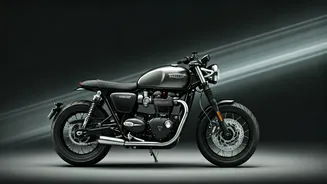
The agreement introduces a phased reduction of import duties under a quota system, meaning a specific number of vehicles can be imported at the lower tax rate each year. [9, 18] While many specifics relate to cars, the benefits extend to the two-wheeler segment. [18] Under the pact, import duties on certain UK-made vehicles will eventually fall from as high as 100-110% to just 10% over five years. [7, 15] For example, in the first year, duties on vehicles with larger engines will drop from 110% to 30%, and for mid-size engines from 66% to 50%, within set quotas. [7, 14] This staggered approach is designed to give domestic manufacturers time to adapt while progressively opening the market. This could significantly lower the showroom prices for UK-made superbikes and special editions that are directly imported. [6, 20]
Win for British Brands in India
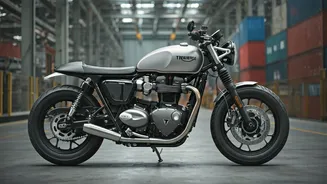
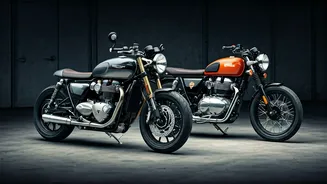
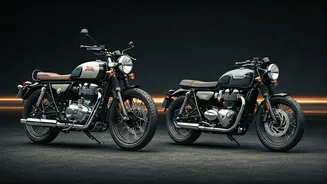
The most immediate beneficiaries in India's bike market will be British manufacturers like Triumph, Norton, and potentially others. [18] While Triumph already has a strong presence through its partnership with Bajaj Auto for smaller bikes, its high-end models are imported. A reduction in tariffs means these premium bikes could become considerably more competitive. [21] The pact is also a massive boon for TVS-owned Norton Motorcycles, which plans to launch in India. [19, 22] Sudarshan Venu, MD of TVS Motor Company, has stated that the agreement will help the Norton brand scale faster in India. [22] This could mean a wider variety of premium British motorcycles becoming available to Indian consumers at more attractive prices. [18]
A Two-Way Street for Indian Manufacturers
This trade deal isn't just about imports; it creates major opportunities for Indian manufacturers as well. [6] Brands like Royal Enfield, which has a significant and growing market in the UK, stand to benefit from easier access and potentially lower duties on their exports to Britain. [6, 25] The agreement is expected to eliminate tariffs on a wide range of Indian exports, which could help companies like Royal Enfield, TVS, and Bajaj (which manufactures Triumph's 400cc bikes for the world) make their products even more competitive in the UK market. [6, 21] The pact also benefits Indian component manufacturers by giving them easier access to the UK market. [18] While there will be increased competition in the premium segment at home, the deal simultaneously opens a larger door for Indian brands to expand their global footprint.
The View From the Showroom
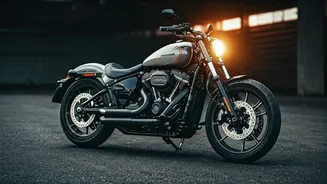
For the Indian motorcycle enthusiast, this is exciting news. The gradual reduction in import duties is expected to translate into lower ex-showroom prices for highly sought-after British motorcycles. This doesn't just apply to regular models but also to limited-run special editions that are often imported as completely built units. [6] Over the next five years, the dream of owning a high-capacity Triumph or a classic Norton could become a more realistic financial goal for a larger pool of buyers. [9, 19] The increased competition could also push all manufacturers in the premium space to offer better value, whether through pricing, features, or service. The pact ensures that only genuinely UK-made products will qualify for these benefits, thanks to strict 'rules of origin' clauses, preventing misuse of the new tariff structure. [18]