


The First Line of Defence: Your Bag's Exterior
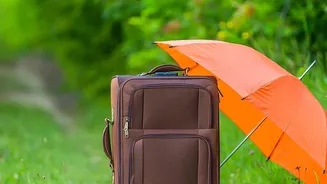
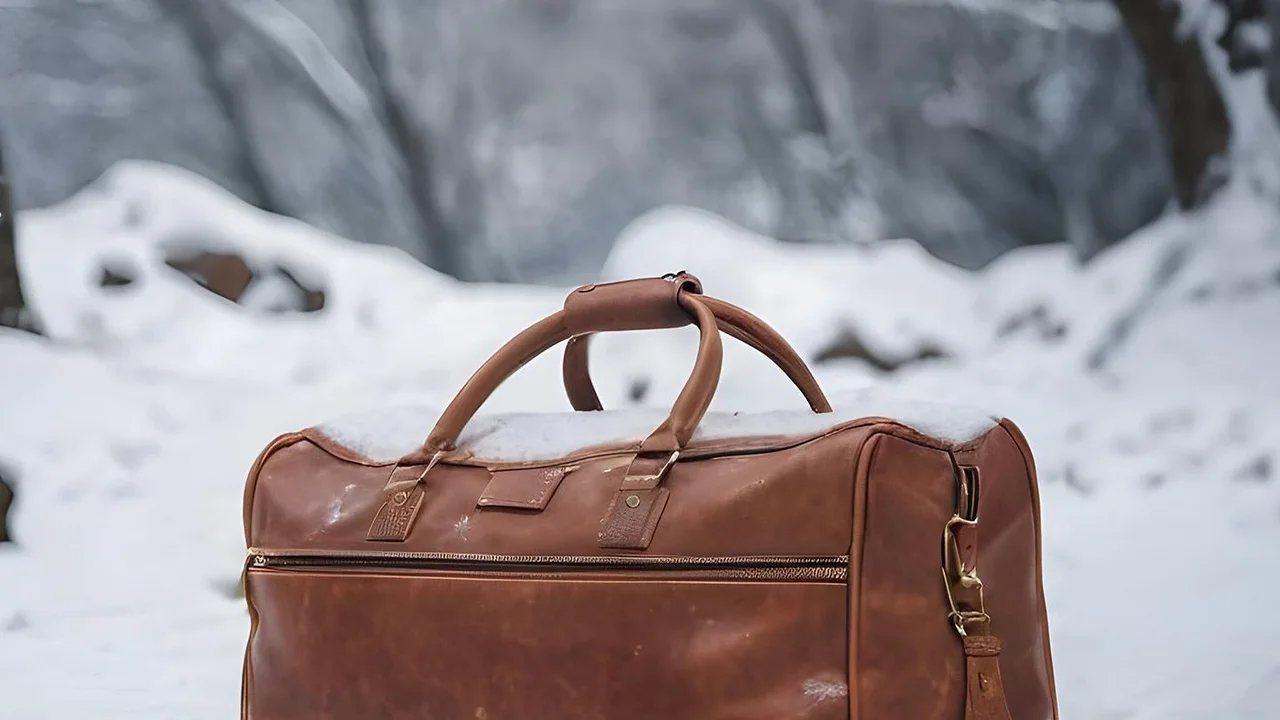
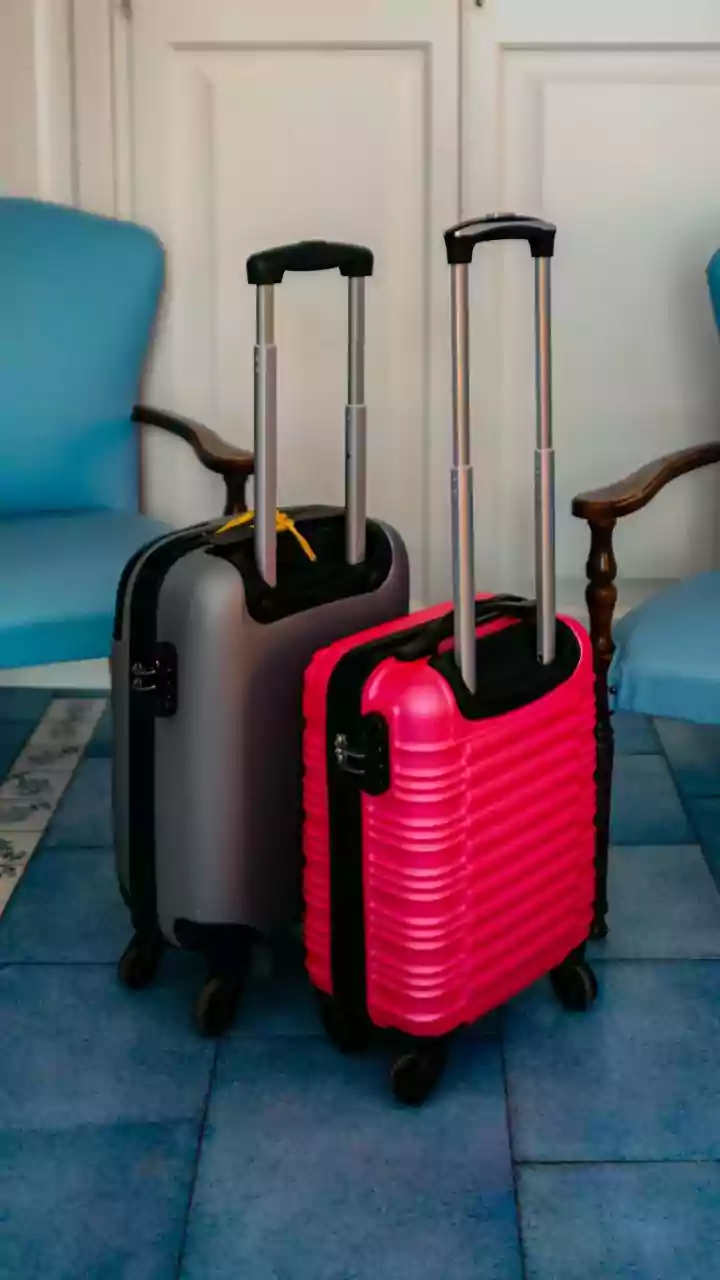
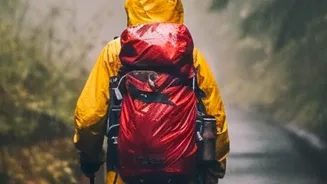
Your strategy should start before anything even goes in your bag. While hard-shell suitcases made of polycarbonate are naturally water-resistant, most carry-on backpacks and soft bags are not. Many backpacks come with a dedicated rain cover, often tucked
into a bottom pocket. If yours doesn't, it’s a worthy and inexpensive investment. These covers are lightweight and create an essential first barrier against rain. For extra protection, you can treat your bag’s fabric with a durable water repellent (DWR) spray, which helps water bead up and roll off rather than soaking in. It’s a simple step that significantly boosts your bag's weather resistance.
Mastering the Inner Game: Dry Bags and Packing Cubes
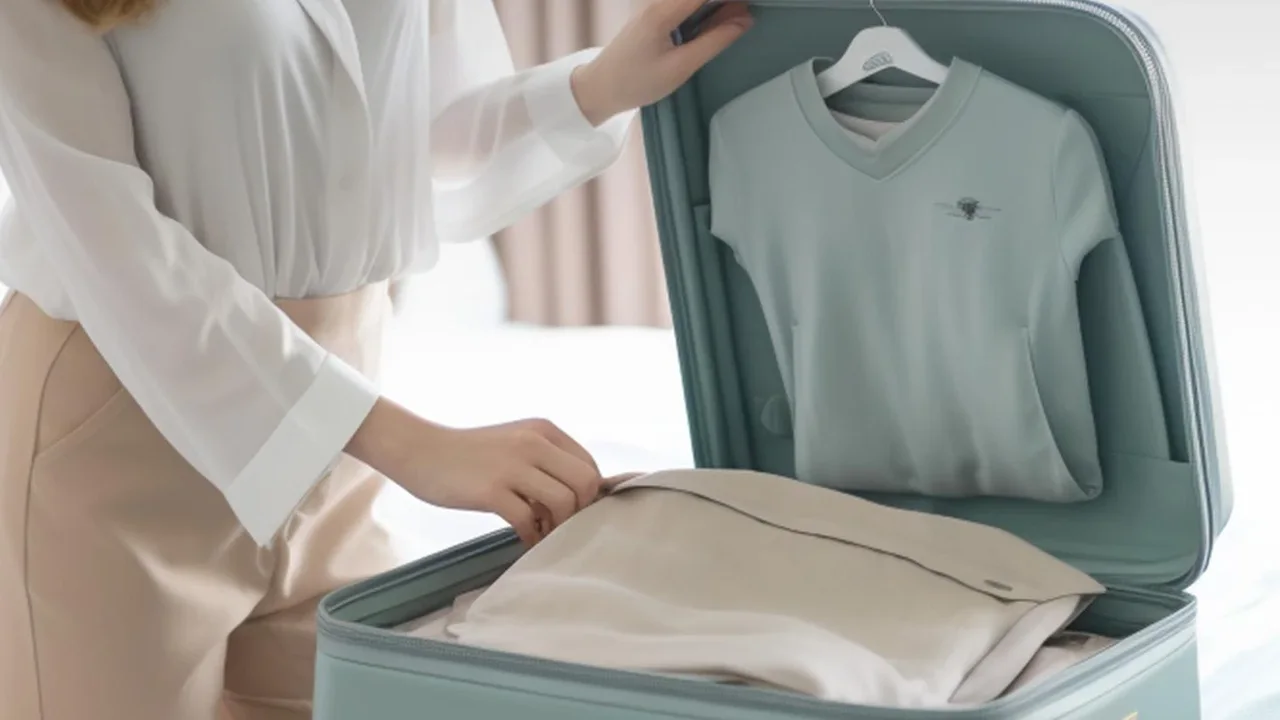
The real secret to keeping contents dry is compartmentalisation. Your bag’s exterior might get damp, but what’s inside can remain pristine. Invest in a few lightweight dry bags. Originally designed for water sports, these bags are completely waterproof and come in various sizes. Use a larger one for the bulk of your clothes and smaller ones for electronics like your camera, chargers, and passport. Water-resistant packing cubes are another excellent tool. While not always fully submersible, they offer robust protection against leaks and ambient moisture. They also keep your bag incredibly organized, which is an added bonus. Use them to separate outfits, keeping everything neat and shielded.
The Double-Bagging Technique
For your most important items—think electronics and a fresh change of clothes—don't be afraid to double up on protection. This means placing your sensitive gear inside a small dry bag or sealed ziplock bag first, and then placing that inside a larger packing cube or another dry bag. This creates multiple layers of defence. If water manages to breach your backpack's rain cover and seep into the main compartment, it still has to get through two more waterproof barriers to reach your valuables. This 'bag-within-a-bag' method is a go-to for seasoned hikers and adventure travellers for a reason: it works.
The Low-Tech Lifesaver: Simple Plastic Bags
You don't always need expensive gear to stay dry. Humble plastic bags can be surprisingly effective. Large, sturdy garbage bags can be used as a waterproof liner for your entire backpack; simply place one inside before you start packing. Ziplock bags are invaluable for toiletries, preventing potential spills from shampoos or lotions from ruining your clothes. They're also perfect for smaller electronics and documents. While not as durable as dedicated dry bags, they are cheap, lightweight, and readily available, making them a fantastic backup option to have on hand.
The Unsung Hero: Silica Gel Packets
Those little white packets you find in new shoe boxes and electronics packaging are powerful tools against moisture. Silica gel is a desiccant, meaning it absorbs water vapour from the air. Don't throw them away; instead, toss a few into your luggage. They are incredibly effective at combating the musty smell that comes from humidity and can help absorb any ambient moisture that gets into your bag, keeping your clothes and electronics safer. They are especially useful for drying out damp shoes or protecting a camera from condensation in humid climates.
Strategic Packing for Quick Access
How you pack is just as important as what you pack with. Always keep your rain jacket and your bag’s rain cover in an easily accessible outer pocket. When the skies open up, you don’t want to be digging through your entire bag to find your rain gear. Furthermore, try to keep a spare, dry outfit sealed in a waterproof bag at the very top of your luggage. If you arrive at your destination soaked, you'll have a fresh set of clothes ready to go without having to unpack everything else.