







More Than Just a Gateway
Historically, Jorhat has been the administrative and commercial heart of Assam's tea country. Known as the 'Tea Capital of India', its identity was deeply intertwined with the production and trade of the region's famous malty brew. For travellers, it often
served as a functional stopover—a gateway to the world's largest river island, Majuli, or a jumping-off point for wildlife trips to Kaziranga National Park. While always recognised for its cultural and educational institutions, its appeal as a standalone travel destination remained largely under the radar. This perception is now rapidly changing as travellers increasingly seek authentic, less crowded, and culturally rich experiences.
The Tea Bungalow Revival
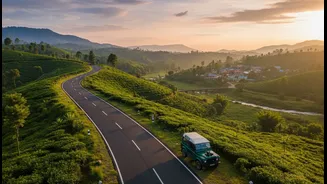
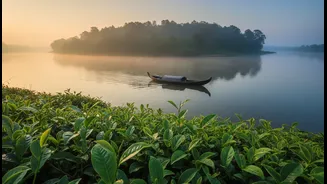
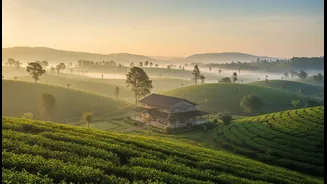
At the forefront of Jorhat's tourism evolution is the revival of its colonial-era tea bungalows. Many of these grand, century-old residences, once home to British planters, have been meticulously restored and converted into boutique heritage stays. Properties like the Banyan Grove at Gatoonga Tea Estate and the bungalow at Kaziranga Golf Resort offer more than just accommodation; they provide a portal to a bygone era. Guests can wake up to misty views of tea gardens, take guided walks through the plantations to learn about tea cultivation, and enjoy personalised service that harks back to the life of a 'planter sahib'. These stays blend historical charm—think high ceilings, antique furniture, and sprawling verandas—with modern comforts, creating a unique and immersive experience that defines slow travel.
Embracing Nature and Wellness
Beyond the manicured tea estates, a new crop of nature-focused retreats is adding another layer to Jorhat's appeal. The growing trend of wellness and eco-tourism has found a perfect home in the region's lush landscapes. Stays like Puroni Bheti Tea and Farm Retreat, nestled within the Haroocharai Tea Estate, offer guests a chance to reconnect with nature through farm-to-table dining, cycling through villages, and simply enjoying the tranquility. These eco-lodges and farm stays cater to travellers looking to escape urban chaos, offering activities like bird watching, hiking, and classes on local culture. This focus on nature extends to nearby attractions like the Hoollongapar Gibbon Sanctuary, which is home to India's only ape and several primate species, making Jorhat a hub for wildlife enthusiasts.
A Hub for Deeper Exploration
Jorhat's strategic location remains a key asset, but its role has evolved from a transit point to a destination base camp. Its proximity to Majuli Island, a centre of Assamese Vaishnavite culture with its unique 'satra' monasteries, is a major draw. The easy ferry access from Nimati Ghat allows travellers to base themselves in the comfort of Jorhat while making day trips or overnight stays to the river island. Similarly, the world-renowned Kaziranga National Park, a UNESCO World Heritage Site famous for its one-horned rhinoceros population, is just a two-hour drive away. This makes it possible for visitors to experience a diverse itinerary—combining tea heritage, cultural immersion, and wildlife adventure—all from the central anchor of Jorhat.