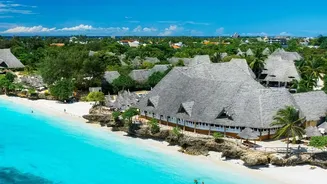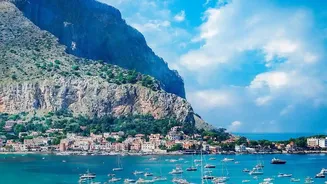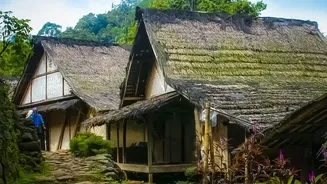



The allure of a beach club is undeniable: infinity pools, curated playlists, and cocktails on demand. But for a taste of something real, of culture that breathes with the tide, you have to look beyond the manicured sands. It is in the humble fishing village
that the true soul of a coastline reveals itself.
The Comfort of the Curated Experience
Let’s be honest, the commercial beach club has its appeal. It’s an ecosystem designed for maximum comfort and minimum friction. Everything is predictable, from the immaculately raked sand to the globally-inspired menu and the polite, uniformed staff. These spaces offer a bubble of relaxation, a guaranteed escape where the most pressing decision is which lounge chair to occupy. They are perfect for unwinding, for celebrating, and for experiencing a polished version of paradise. Yet, in this perfection, something is often lost. The culture presented is frequently a caricature—a themed 'seafood night' or a generic cultural performance. It’s culture as an amenity, enjoyable but ultimately detached from the living, breathing community just beyond the resort walls.
The Rhythm of the Tides
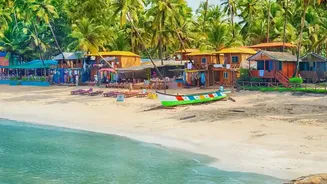
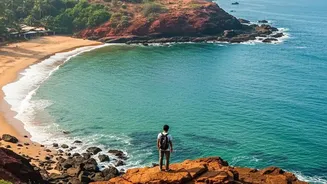
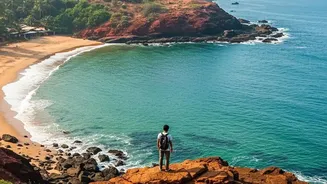
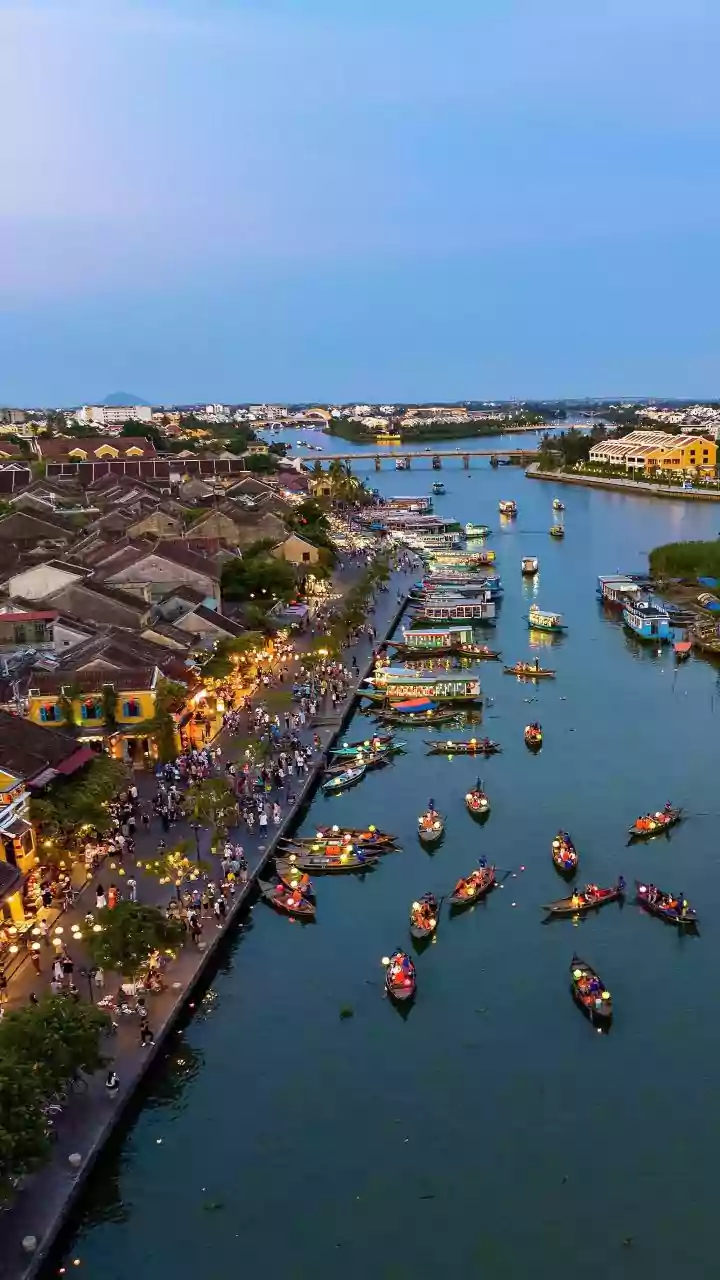
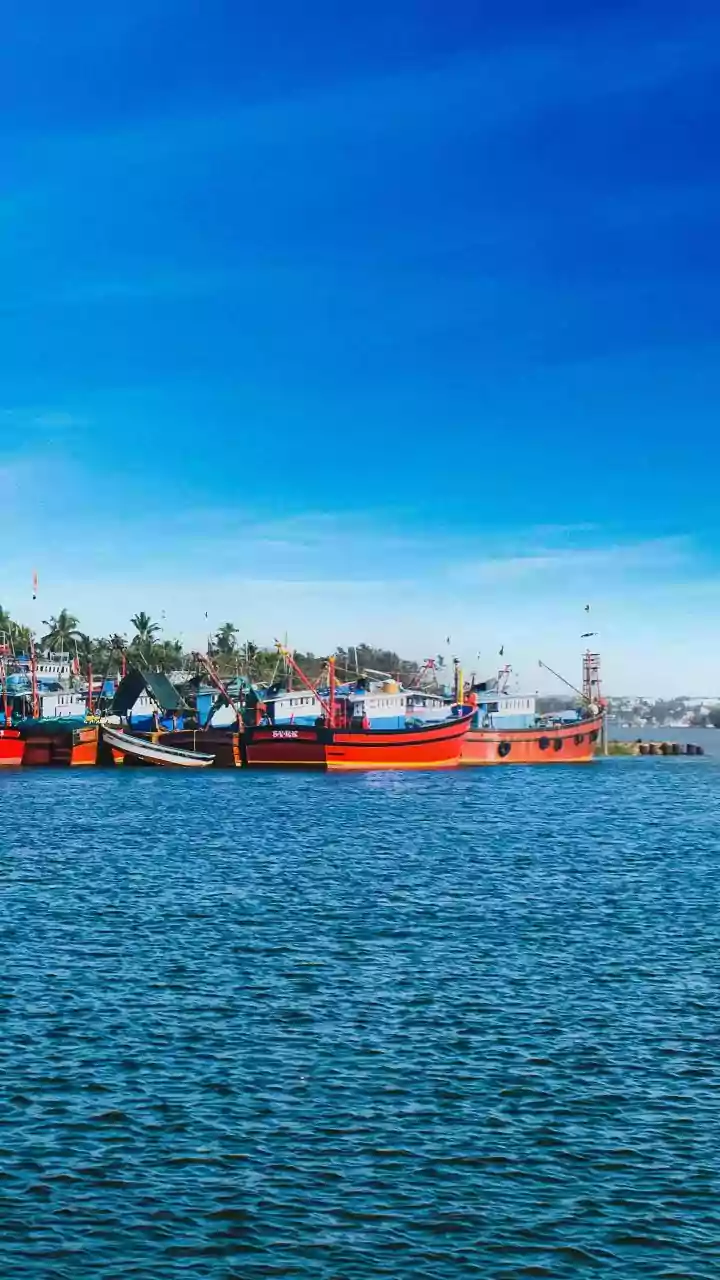
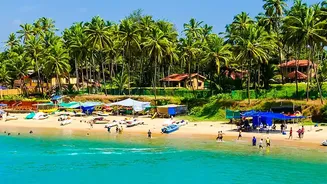
Now, imagine waking up not to a breakfast buffet, but to the sound of wooden boats being pushed into the sea. This is the reality in coastal fishing villages across India, from Kovalam in Kerala to Agonda in Goa. Here, the day is not governed by a tourist itinerary but by the timeless rhythm of the tides. The air smells of salt and drying nets, not sunscreen. The visual landscape isn’t one of infinity pools, but of colourful boats lining the shore, fishermen mending their gear, and women carrying the day's catch to the local market. This isn’t an experience designed for you; it’s a life you are privileged to witness. It’s unscripted, unfiltered, and deeply connected to the natural world.
Culture You Can Touch and Taste
In a beach club, you consume. In a fishing village, you can participate. Culture here is not a performance; it is the fabric of everyday existence. It’s in the shared meal of a freshly caught fish curry, seasoned with spices ground in a nearby home. It’s in the intricate patterns of the hand-woven nets, a craft passed down through generations. In places like Betul in South Goa, the entire village revolves around the catch, from the boats returning at dawn to the bustling local market. You might witness a local festival or a ritual offering to the sea for a bountiful catch, moments of genuine community spirit that can’t be replicated for a tourist audience. This is authenticity—not as a marketing buzzword, but as the expression of a community’s heritage and livelihood.
Conversations Over Commerce
Interactions in a commercial resort are, by their nature, transactional. The staff is there to serve you. In a fishing village, while tourism provides a welcome source of income, the potential for genuine human connection is far greater. A conversation with a fisherman about his craft, a shared smile with a shopkeeper, or buying produce directly from a local family creates a different kind of travel memory. While visitors should always be respectful and mindful not to intrude, these communities often welcome curious and considerate travellers. These interactions remind us that a destination is not just a place, but a community of people with their own stories, challenges, and triumphs. This shift from passive observer to engaged visitor is where travel becomes transformative.
Travel That Connects
Choosing a fishing village over a commercial club is not about rejecting comfort for hardship. Many fishing villages, like Agonda, now offer charming guesthouses and homestays that are both comfortable and locally owned. The choice is about what we seek from travel. Is it a flawless escape or a meaningful connection? Is it a perfect photo for social media or a memory etched by the sights and sounds of a place's true character? By opting to stay in or respectfully visit these communities, travellers can contribute directly to the local economy, helping to preserve a way of life that is increasingly under pressure from large-scale development. It’s a form of tourism that gives back, ensuring that the very culture we seek to experience can continue to thrive.