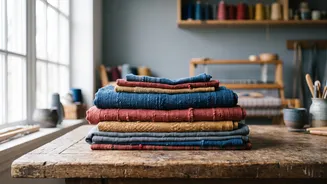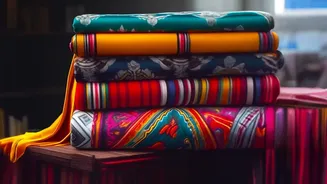


In India’s bustling cities, a quiet revolution is unfolding. Amidst the sea of fast fashion, young consumers are turning to heritage fabrics like Khadi and linen, not just for comfort, but as a statement of personal and cultural values.
The Ultimate Comfort Choice
The primary driver
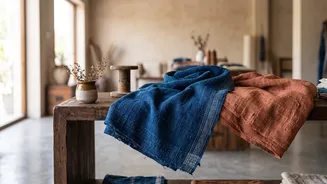
behind this textile revival is simple: comfort. In a country defined by its predominantly hot and humid climate, the breathability of fabrics like Khadi and linen is a game-changer. Unlike synthetic materials that trap heat and moisture, these natural fibres allow for excellent air circulation, keeping the body cool and comfortable. Khadi, in particular, has a unique ability to keep the wearer cool in summer and warm in winter, thanks to the air pockets created during its hand-spinning process. For city dwellers navigating crowded commutes and long workdays, choosing a Khadi shirt or linen trousers over a polyester blend is a practical decision for all-day comfort and skin health, reducing the risk of irritation and allergies.
A Vote for Sustainability
For today's environmentally conscious youth, fashion is an expression of their values. The generation leading the charge against fast fashion waste finds a compelling alternative in regional textiles. Khadi is often celebrated as one of the most sustainable fabrics on earth; its hand-spun and hand-woven production process uses minimal electricity and water, leaving a near-zero carbon footprint. Linen, derived from the hardy flax plant, also has strong eco-friendly credentials, requiring significantly fewer resources than conventional cotton. Choosing these fabrics is a conscious decision to support a system that is kinder to the planet, a move away from the resource-intensive and polluting cycles of mass-produced apparel.
From Traditional to Trendsetting
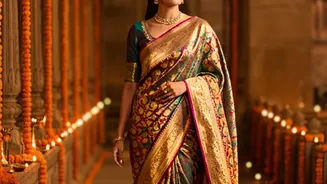
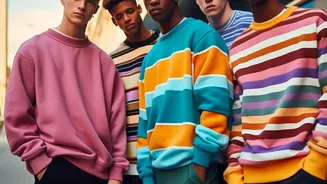
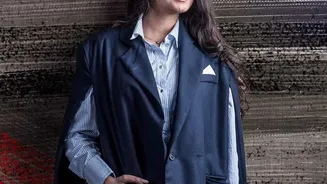
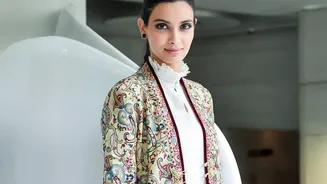
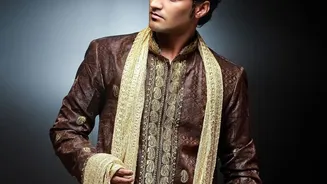
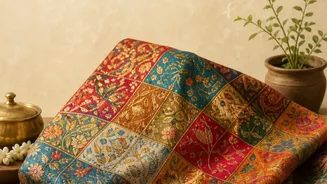
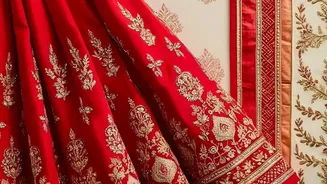
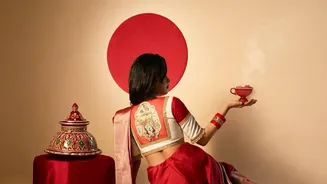
The image of Khadi and linen has undergone a radical transformation. Once associated with simple, political attire, these fabrics are now at the forefront of contemporary design. A new wave of Indian designers and homegrown brands are reinventing these textiles for the modern wardrobe. They are creating everything from sharp blazers and minimalist dresses to trendy co-ord sets and even Khadi denim. By blending traditional weaves with modern silhouettes, designers like Sabyasachi Mukherjee, Gaurav Khanijo, and labels such as 11.11 have made heritage fabrics undeniably cool and aspirational for a younger audience. This reinvention proves that traditional textiles can be both timeless and fashion-forward.
Weaving a Connection to Heritage
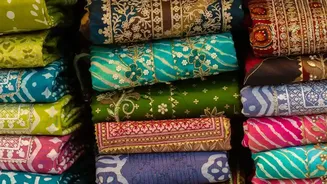
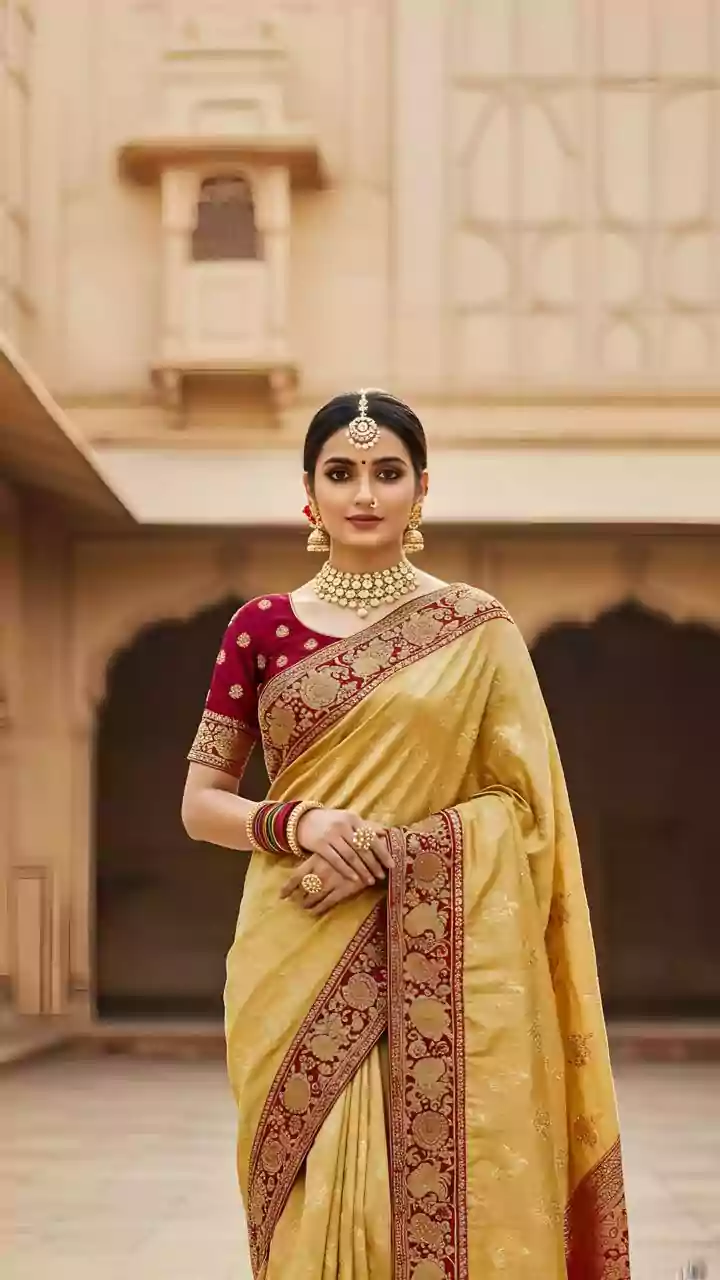
In an increasingly globalised world, there is a growing desire among young Indians to connect with their roots. Khadi, born from the Swadeshi movement, is more than just a fabric; it's a symbol of India's fight for self-reliance and a testament to its rich artisanal history. Wearing it has become a source of national pride. This movement is not about nostalgia but about relevance. By choosing handloom products, city youth are not only embracing a unique aesthetic but also supporting the local artisans and weavers who are the custodians of these centuries-old crafts. This act of purchasing becomes a direct investment in preserving cultural heritage and empowering rural communities.
The Digital Weave: Accessibility and Influence
The rise of regional textiles has been significantly amplified by the digital ecosystem. Social media platforms and online-first brands have made these fabrics more visible and accessible than ever before. Influencers and celebrities showcasing their linen sarees and Khadi co-ords have normalised and popularised the look, shifting it from niche to mainstream. Direct-to-consumer (D2C) brands are bridging the gap between urban consumers and rural artisan clusters, offering transparency and compelling stories about the origin of their clothes. This digital marketplace allows young buyers to make informed, values-driven choices, ensuring the trend is not just about aesthetics but also about authenticity and connection.