




The 'Workcation' Redefines Travel
The line between work and leisure has blurred, giving rise to the 'workcation'—a travel style where professionals work from a holiday destination. This isn't just about taking a laptop to the beach; it's a fundamental shift in mindset. Instead of cramming
exploration into a few days of annual leave, travellers are now opting for longer, more immersive stays that blend productivity with relaxation. A survey by FICCI and Thrillophilia revealed that a third of Indian travellers now prefer working from natural settings, driven by a desire to escape urban burnout and find a better work-life balance. This has made travel less about a frantic escape and more about a sustained change of environment. The new priority is not just a comfortable bed, but a space that supports a working lifestyle for weeks or even months.
From Hotel Rooms to Homely Havens
This new breed of traveller has a different checklist. The standard hotel room, designed for short-term rest, often feels inadequate. Today’s remote worker seeks the comforts of home: a reliable, high-speed Wi-Fi connection is non-negotiable, often cited as the new luxury. Beyond connectivity, they want functional workspaces, kitchens to prepare their own meals, and the privacy that a typical hotel room can't offer. This has led to a boom in demand for homestays, villas, and serviced apartments. These accommodations provide the space and amenities needed for extended stays, allowing travellers to settle into a routine, cook their own food, and live more like a local than a tourist. The homestay market in India, already valued at over ₹4,700 crore, is growing annually as it caters to this demand for authentic, experience-driven stays.
Trading City Skylines for Mountain Views
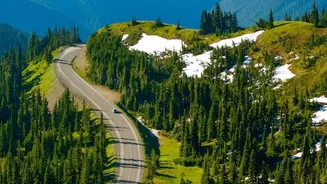
The freedom to work from anywhere has also redrawn the map of popular destinations in India. Professionals are trading crowded cities for the tranquillity of nature. The mountains of Himachal Pradesh and Uttarakhand, the beaches of Goa, and the serene backwaters of Kerala have become hotspots for digital nomads. Places like Manali, Rishikesh, and Coorg are no longer just for backpackers but are transforming into hubs for remote workers, complete with coworking spaces and cafes catering to their needs. Sikkim has even seen the development of a 'digital nomad village' to accommodate this growing community. This migration is driven by the search for a slower pace of life, cleaner air, and a closer connection to nature, which many feel boosts both productivity and mental well-being.
How the Hospitality Industry Is Pivoting
The hospitality industry is quickly adapting to this new reality. Hotels and resorts, once focused on luxury and short-term leisure, are now creating 'workation' packages that include dedicated workspaces, reliable internet, and all-inclusive meal plans. Many are transforming underused communal areas into co-working spaces and offering flexible, long-stay discounts to attract remote workers. Property owners in destinations like Goa are finding that renting to long-stay professionals offers more predictable income and less property wear-and-tear compared to short-term tourist rentals. This evolution is not just about adding a desk to a room; it's about recognising that the modern traveller is also a remote worker, and their needs have fundamentally changed.