



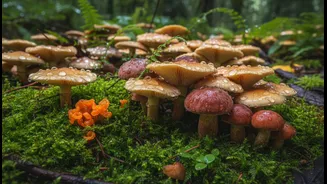



A Gift from the Monsoon
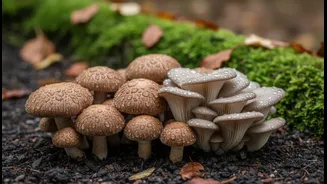
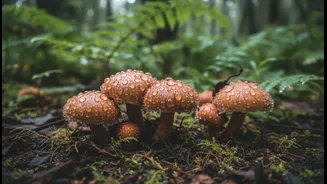
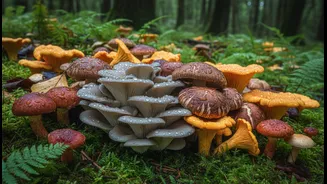
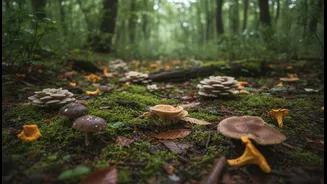
The primary reason mushrooms feel so appropriate in July is their deep-rooted connection to the monsoon season in India. While cultivated varieties are available all year, the damp, humid weather of the monsoon creates the ideal conditions for many wild
mushroom species to flourish. From the Western Ghats to the forests of the eastern plateau, the rains trigger the sprouting of seasonal delicacies. In states like Goa, the monsoon is considered incomplete without a meal of the local wild 'olmi' mushrooms, which grow on termite mounds. Similarly, in Jharkhand, 'rugra' mushrooms, often called 'vegetarian mutton', become a sought-after ingredient between July and August. This natural cycle has created a powerful cultural and culinary association, making mushrooms a traditional highlight of the rainy season.
The Immunity Boost We Crave
The monsoon season is notorious for bringing a rise in colds, flu, and other infections. Coincidentally, mushrooms are packed with nutrients that can help support our immune systems. They are a powerhouse of antioxidants like selenium and polysaccharides, which help strengthen the body's defenses against illness. Many varieties also contain beta-glucans, compounds known for their immune-boosting properties. Eating mushrooms during the rainy season can be a delicious way to help protect yourself from common seasonal ailments. Their rich nutrient profile makes them a smart addition to your diet when your body needs extra support.
A Source of Sunshine Vitamin
July's grey skies and reduced sun exposure can lead to lower levels of Vitamin D, a nutrient crucial for bone health, immune function, and mood regulation. Mushrooms are one of the few non-animal, plant-based sources of this essential vitamin. Like humans, mushrooms can produce Vitamin D when exposed to ultraviolet (UV) light. While most commercially grown mushrooms are cultivated in the dark and have low levels, some are treated with UV light to significantly boost their Vitamin D content. Some wild mushrooms that have been exposed to sunlight are also excellent sources. Including these fungi in your diet can be an effective way to up your intake of the 'sunshine vitamin' when you need it most.
The Ultimate Comfort Food
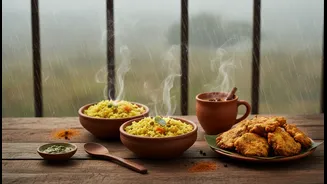
Beyond seasonality and science, mushrooms simply offer the kind of culinary comfort we seek during damp, cool weather. Their rich, savoury 'umami' flavour and meaty texture make them an excellent substitute for meat in hearty dishes. Think of a warm, creamy mushroom soup, a spicy mushroom masala, or a rich mushroom curry served with hot rice or roti—these are the meals that bring a sense of warmth and satisfaction. The versatility of mushrooms allows them to be the star in countless comforting recipes, from a simple stir-fry to a complex Goan 'xacuti'. Their ability to absorb spices and provide a substantial, satisfying bite makes them perfect for the robust flavours we crave during the monsoon.
Choosing Your Mushrooms
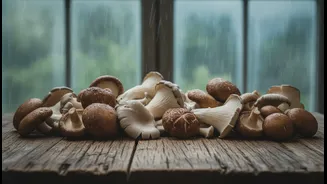
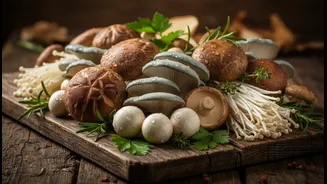
While the allure of foraged wild mushrooms is strong, it requires expert knowledge, as many wild varieties can be toxic. For most people, it is far safer to stick to cultivated mushrooms from reliable sources. Thankfully, there is a wide variety to choose from. Button, cremini (portabella), shiitake, and oyster mushrooms are all readily available and versatile. Nutritionists advise that as long as mushrooms are sourced from a reputable vendor and are washed and cooked properly, they are a healthy and safe choice for the monsoon season. Dried varieties like shiitake are also an excellent option, known for their concentrated flavour and long shelf life.