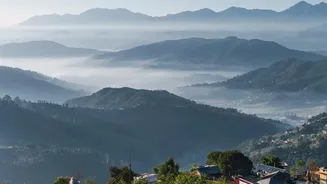

Beyond the popular postcards of Gangtok and Tsomgo Lake lies a quieter Sikkim. It's a land of hidden valleys, sacred lakes, and serene trails where the rhythm of life is still dictated by nature, not by tourist convoys. Here are some of the state's best-kept
secrets.
Dzongu Valley: A Lepcha Sanctuary
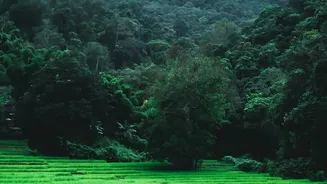
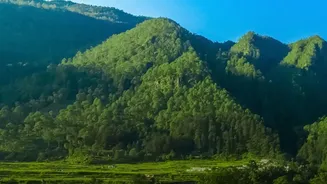
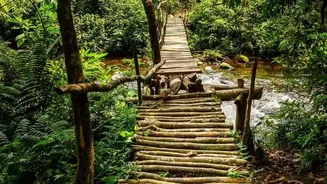
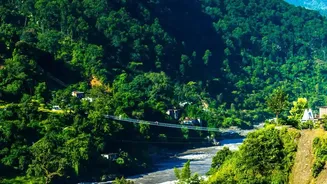
Tucked away in North Sikkim, Dzongu is not just a place but a protected sanctuary for the Lepcha community, the original inhabitants of this land. This exclusivity is its charm. Entry requires a special permit, a process that naturally preserves its tranquillity and keeps it off the mainstream tourist circuit. Life here unfolds slowly amidst dense cardamom forests, cascading waterfalls, and terraced paddy fields. There are no large hotels; instead, visitors are welcomed into traditional family homestays. A trip to Dzongu is an immersion into a unique culture, involving walks across creaking suspension bridges, learning about ancient customs from your hosts, and soaking in natural hot springs hidden in the forest. The valley, with the mighty Kanchenjunga as its backdrop, offers a rare opportunity to experience an indigenous way of life that remains deeply connected to the land.
Aritar & Lampokhari Lake: The Boot-Shaped Jewel
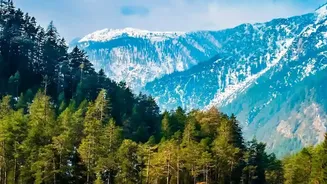
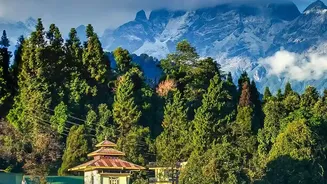
In East Sikkim, far from the high-altitude bustle, lies the quiet village of Aritar. Its main attraction is Lampokhari Lake, one of the oldest natural lakes in the state. Famous for its distinctive boot-like shape, the emerald lake is surrounded by lush pine forests, creating a picture of absolute serenity. Unlike many of Sikkim's high-altitude lakes, Lampokhari invites visitors to enjoy paddle boating on its calm waters. A paved pathway circles the lake, allowing for peaceful walks and offering different perspectives of the stunning scenery. For a panoramic view, you can hike up to the nearby Mankhim viewpoint, which overlooks the lake and the rolling hills beyond. Aritar serves as a gentle introduction to East Sikkim's beauty, perfect for those seeking a quiet night before exploring the historic Silk Route.
Menmecho Lake: The Colour-Changing Wonder
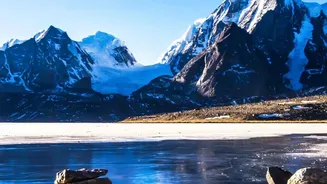
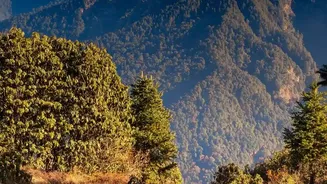
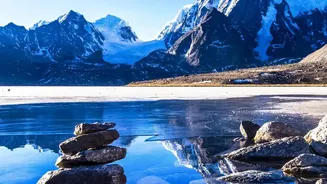
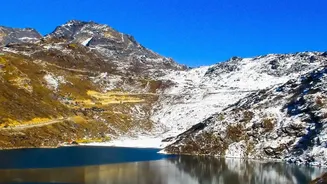
Often overshadowed by its famous neighbour, Tsomgo Lake, Menmecho Lake remains a secluded and mystical destination. Situated at an altitude of about 12,500 feet, this high-altitude lake is known for its trout population and is said to change colours throughout the day. Accessing it requires a bit of effort; vehicles can't reach the shore directly, so visitors must take a 4-kilometre walk down a winding trail near Baba Mandir. This short trek ensures the banks are rarely crowded, allowing you to fully absorb the peaceful atmosphere. Surrounded by steep, pine-covered slopes and fed by melting snow from the Jelep La Pass mountains, Menmecho is a sanctuary of quiet. It freezes completely in winter but reveals its crystal-clear waters in the summer months, making it a rewarding sight for those willing to venture off the main road.
Green Lake: A Trekker's Remote Paradise
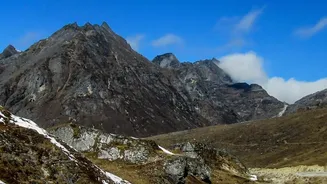
This is not a casual day trip. Green Lake, located in a remote part of North Sikkim, is the stuff of trekking legends. Considered more of a high-altitude plain than a single lake, it serves as the base camp for expeditions to Mount Kanchenjunga. Its remoteness is its defining feature; reaching it involves a strenuous, multi-day trek that starts from the village of Lachen. The trail passes through thick alpine forests, across gushing streams, and into a vast, glaciated landscape with spectacular views of snow-capped peaks like Siniolchu and Simvo. Because it is a challenging expedition-style trek requiring permits and a high level of fitness, it remains a largely unexplored region. For the dedicated few who make the journey, the reward is an unparalleled experience of solitude in one of the most dramatic mountain settings in the Himalayas.