



Plan Your Wardrobe First
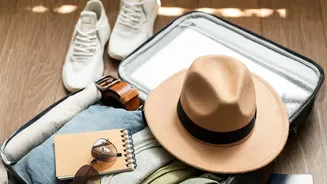
Before a single item goes into a bag, lay out your entire wardrobe for the trip. The goal for a ten-day journey is versatility. Choose mix-and-match pieces—neutral trousers or skirts that work with multiple tops, a single jacket that suits most occasions,
and shoes that can be dressed up or down. This planning phase is crucial; compression bags create space, but they don't lighten your load. By packing only what you truly need, you avoid the temptation to fill that newly created space with items that will just add weight and go unworn.
Choose the Right Compression Method
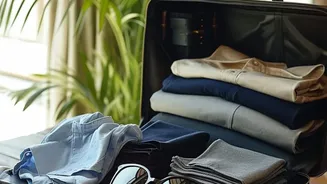
Not all packing techniques are equal when it comes to compression cubes. While tightly rolling clothes is a classic space-saving trick for standard packing, it can create awkward cylinders and wasted air pockets inside a compression bag. A more advanced method is to fold items flat to match the exact dimensions of your packing cube. Layer these neatly folded garments on top of each other like a lasagna. This creates a uniform block of clothing with minimal dead space, allowing the compression zipper to work more effectively and evenly across the entire cube.
Categorise for Smarter Packing
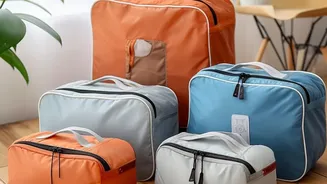
One of the greatest benefits of using multiple compression bags is organisation. Instead of one large compressed brick of clothing, use several smaller bags. Dedicate one bag for tops, another for bottoms, and a third for underwear, socks, and swimwear. Bulky items like sweaters or light jackets get their own bag. This system not only keeps your suitcase tidy but also makes finding specific items a breeze without having to unpack everything. When you arrive, you can move the cubes directly into hotel drawers, making settling in and repacking much faster.
Mastering the Art of Compression
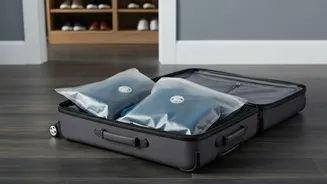
Compression packing cubes typically feature two zippers: one to close the cube and a second, outer zipper that cinches everything down. After filling a cube with your neatly folded clothes, close the main zipper. Then, carefully and slowly zip the compression zipper. You may need to press down on the cube with one hand to help flatten it as you guide the zipper with the other. The goal is to squeeze out excess air, not to crush the contents. Avoid overfilling the bags, as this can strain the zippers and lead to more wrinkles.
Strategic Suitcase Arrangement
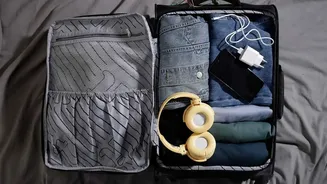
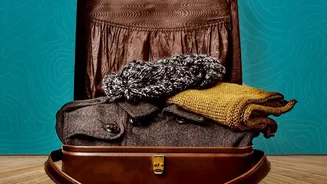
How you place the compressed cubes in your suitcase matters. Think of it like a game of Tetris. Arrange the dense, rectangular cubes to form a stable base. Place heavier bags, like those with jeans or sweaters, near the bottom of the suitcase by the wheels. This placement prevents the suitcase from becoming top-heavy and tipping over. Slot smaller bags and other items like shoes (placed in bags along the sides) and toiletry kits into the gaps. This creates a tightly packed, stable load that is less likely to shift during transit.
Dealing with the Wrinkle Factor
The main drawback of compression is the potential for wrinkles. While folding flat helps, some fabrics will inevitably crease. Place more delicate items or those prone to wrinkling, like linen or dress shirts, in a separate, non-compressed packing folder or lay them on top. Rolling works better for casual items like t-shirts and activewear. For anything that does come out creased, a travel-sized wrinkle-release spray can be a lifesaver. Alternatively, hanging the item in a steamy bathroom upon arrival is a classic and effective trick.