






The Annual Summer Struggle
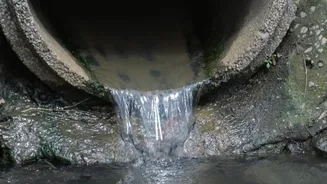
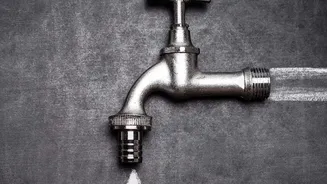
For millions of households across cities like Bengaluru, Chennai, Delhi, and Hyderabad, summer brings a predictable water crisis. Municipal supplies dwindle under the pressure of soaring demand and depleted reservoirs, forcing families to rely on intermittent,
low-pressure supply or expensive private water tankers. This isn't just an inconvenience; it's a structural failure born from rapid, unplanned urbanisation that has stretched water infrastructure to its breaking point. Over-extraction has caused groundwater levels to plummet, while concrete landscapes prevent rainwater from naturally replenishing these underground sources. The result is a paradox where cities can experience intense flooding during the monsoon, yet face acute water scarcity just months later.
Rainwater Harvesting: A Simple Solution
Rainwater harvesting (RWH) is an ancient practice with a modern application that directly counters this problem. The concept is straightforward: instead of letting precious monsoon rain wash off your roof and into overwhelmed storm drains, you capture it. A typical home system consists of pipes or gutters that channel water from the rooftop (the catchment area) through a simple filter and into a storage tank. This collected water can then be used for a variety of non-potable needs like flushing toilets, washing cars, and gardening, significantly reducing your reliance on the municipal grid.
More Than Just Free Water
The benefits extend far beyond your own home. By installing an RWH system, you become part of a city-wide solution. Every litre of rainwater captured is a litre that doesn't need to be pumped from a distant, depleting source or extracted from the ground. Widespread adoption of RWH helps recharge local groundwater aquifers, which is crucial for reversing the decline in urban water tables. It also mitigates localised flooding by reducing the volume of runoff that chokes city drains during heavy downpours. For the household, the immediate advantages are clear: lower water bills and a reliable backup supply that provides priceless security when the municipal taps inevitably run dry.
What Does a 'Low-Cost' System Involve?
The term 'low-cost' isn't just a buzzword. A basic but effective residential system is surprisingly affordable. The key components include PVC pipes to direct water from the roof, a 'first-flush' diverter to discard the initial, debris-filled runoff, a simple filter, and a storage tank. For direct use, a plastic (like Sintex) or metal barrel can serve as a storage tank. A simple filter can be made from a drum layered with sand, gravel, and charcoal to remove impurities. For those focused on environmental benefits, the system can direct filtered water into a 'recharge pit'—an excavated pit filled with gravel that allows water to percolate slowly into the ground, directly replenishing the local aquifer.
Understanding the Real Costs
The cost of a rainwater harvesting system in India can vary, but a basic setup for a small or mid-sized home is well within reach. Estimates for a simple system often range from ₹15,000 to ₹30,000. This typically covers pipes, a basic filter, and a storage tank. For more comprehensive systems in larger homes, the cost might range from ₹40,000 to ₹80,000. The storage tank is usually the most significant expense. While this is an upfront investment, the savings on water bills, especially for those reliant on tankers, can lead to a return on investment within a few years. Many states and municipalities also offer incentives or have made RWH mandatory for new constructions, underscoring its importance.