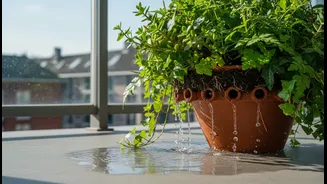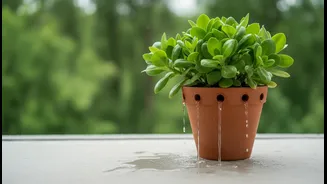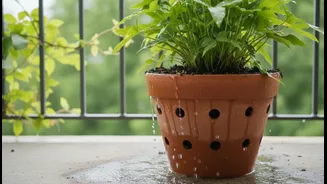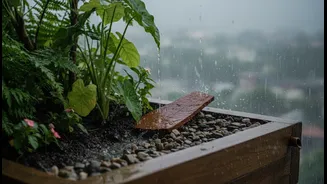





The Core Problem: Root Rot
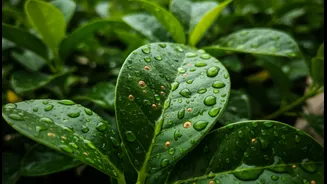
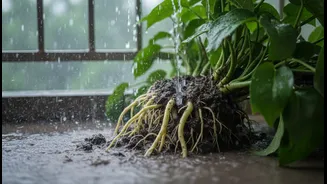
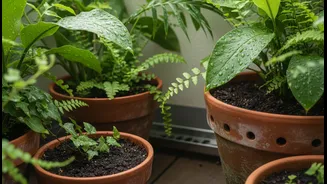
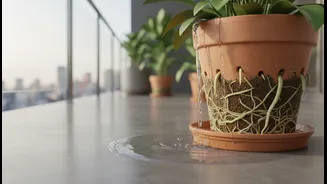
The single biggest threat to potted plants during the monsoon is root rot. When soil remains saturated for days, roots are deprived of oxygen and begin to suffocate and decay. Early warning signs include leaves turning yellow, a foul or sour smell from
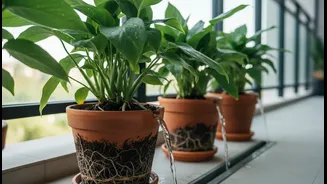
the soil, and a plant that looks wilted despite being in wet soil. By the time these symptoms appear, significant damage may have already occurred beneath the surface. Preventing this condition is far easier than treating it, and the key to prevention is excellent drainage.
Start with a Well-Draining Potting Mix
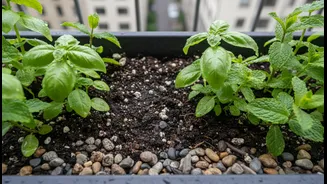
Heavy, dense soil is a plant's worst enemy during the rainy season. Garden soil or clay-based soils hold too much water and become compacted in pots. The ideal potting mix for the monsoon is light, fluffy, and porous. You can create your own by mixing regular potting soil with materials that improve aeration and drainage. A popular and effective mix for Indian conditions involves combining soil, cocopeat (which retains moisture without becoming waterlogged), and perlite or coarse sand. This ensures that while the plant has access to moisture, excess water can flow through freely, allowing roots to breathe.
Choose the Right Pot
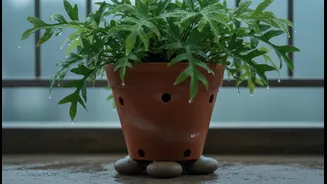
The type of container you use plays a critical role. Terracotta or clay pots are porous, which allows for better air circulation and helps soil dry out faster. Plastic pots, while lightweight and popular, can trap moisture. Regardless of the material, ensure every pot has at least one, and preferably multiple, clear drainage holes at the bottom. During the monsoon, it's wise to remove any saucers or trays that sit underneath pots, as they collect excess water and leave the plant's roots sitting in a puddle.
Elevate Your Plants for Better Airflow
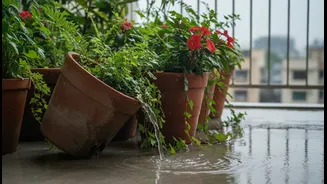
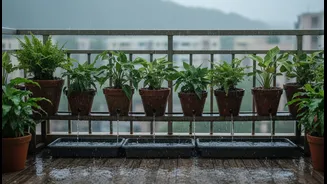
One of the simplest and most effective tricks is to lift your pots off the balcony floor. When a pot sits directly on a flat surface, the drainage hole can easily become blocked or the water can pool underneath, preventing it from escaping. Placing pots on stands, bricks, wooden blocks, or even plastic bottle caps creates a small gap that allows water to drain away freely and improves airflow around the base of the pot. This small step is a lifesaver for preventing waterlogging during continuous downpours.
Tweak Your Watering Habits
It may sound obvious, but it's a common mistake: continuing to water plants on a fixed schedule during the monsoon. Your plants are likely receiving plenty of water from the rain. Before you even think about watering, physically check the soil. Push your finger a couple of inches deep; if the soil feels damp, do not add more water. Overwatering is the number one cause of plant failure during this season. Let the rainfall do the work and only intervene if a plant is under a roof and its soil is genuinely dry.
Perform Regular Health Checks
The high humidity of the monsoon creates a perfect breeding ground for fungal diseases and pests. Make it a routine to inspect your plants every few days. Look for signs of trouble like powdery mildew on leaves, green algae on the soil surface, or mushy stems. Remove any yellowing or dead leaves promptly to improve air circulation. Gently loosening the top layer of soil with a small tool can also help aerate the root zone, especially after heavy rain has compacted the surface.