




The Myth of the Universal Ratio
Many home cooks are taught that the key to perfect rice is a simple 1:2 ratio: one part rice to two parts water. It’s an easy rule to remember, but its frequent failures lead to frustration. The truth is, rice is not a uniform, manufactured product. It's
a natural grain, and the more than 40,000 varieties all behave differently. What works for a long-grain Basmati will not work for a shorter-grain Sona Masoori or a nutrient-dense brown rice. Relying on a single ratio is like using the same baking time for every type of cake—it ignores the unique characteristics of the ingredients. The cooking pot, the tightness of the lid, and the intensity of the heat also play a role, as they affect how much water evaporates during cooking. Thus, the belief in a one-size-fits-all ratio is the primary reason for inconsistent results.
The Science in the Grain
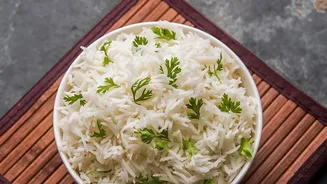
The key to understanding why different rices need different amounts of water lies in their starch composition. Rice contains two main types of starch: amylose and amylopectin. Rice varieties high in amylose, like Basmati and other long-grain rices, tend to cook up fluffy and with separate grains because they absorb water more gradually. In contrast, varieties high in amylopectin, such as short-grain sushi rice or Arborio rice used for risotto, become sticky and clump together because they absorb water more rapidly. This fundamental difference in starch structure is the primary determinant of how much water a specific rice variety needs to become perfectly tender without turning into porridge.
More Than Just the Variety
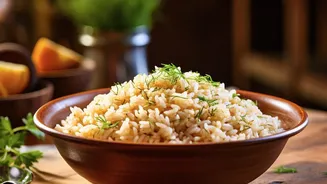
Beyond the type of grain, two other crucial factors influence water absorption: age and processing. Aged rice, which has been stored for a year or more after harvest, is drier and has a lower moisture content. This means it will absorb more water during cooking, resulting in a fluffier, more aromatic, and less sticky texture. Newer rice, on the other hand, contains more natural moisture and requires less water. The way rice is milled also matters. Brown rice, which retains its fibrous bran layer, absorbs water much more slowly and requires significantly more water and a longer cooking time than its white rice counterpart. Parboiled rice, which is steamed and dried in its husk before milling, also has a different absorption profile, generally requiring more water than regular white rice to soften completely.
A Cook's Guide to Water Ratios
While ratios are a starting point and not a strict rule, here is a practical guide for some common rice varieties found in Indian kitchens. For long-grain Basmati, a ratio of 1 cup of rice to 1.5 cups of water is a reliable start for the absorption method. Sona Masoori, a popular medium-grain rice, is more absorbent and often does better with a 1:2 or even 1:2.5 ratio. Brown rice, due to its bran, generally needs more water; a ratio of 1 cup rice to about 2.25 or 2.5 cups of water is common. Parboiled rice typically requires around 1:2 or 1:2.25. Remember to check the package instructions, as even within a single variety, brands can differ.
Technique Trumps Ratios
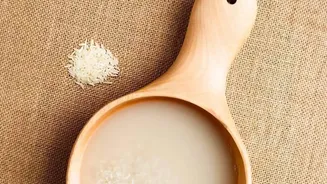
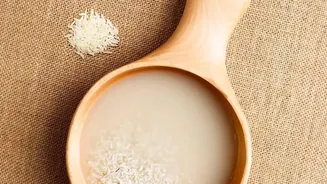
Ultimately, achieving perfect rice is about more than just measurement. Rinsing the rice thoroughly before cooking washes away excess surface starch, which is key to preventing stickiness. Soaking the rice for 15-30 minutes can lead to more evenly cooked and elongated grains, especially for varieties like Basmati. Once the rice is on the stove, bringing it to a boil and then immediately reducing the heat to a low simmer is crucial. A tight-fitting lid is essential to trap steam, which does much of the cooking. Finally, and perhaps most importantly, let the rice rest off the heat, covered, for at least 5-10 minutes after the water is absorbed. This resting period allows the moisture to redistribute, ensuring every grain is perfectly fluffy and cooked through.