





Plan, But Don't Overplan
The single biggest source of mealtime stress is the last-minute decision-making. The secret isn't a complex, month-long menu, but a simple, flexible plan. Every Sunday, take 15 minutes to map out dinners for the week. It doesn’t have to be gourmet; think
in terms of frameworks: ‘Monday is dal night,’ ‘Tuesday is something with eggs,’ ‘Friday is easy pasta.’ Once you have your themes, create a grocery list. This small weekly ritual eliminates the daily ‘what’s for dinner?’ panic. Having a plan also helps you prep ahead. Chop your onions and garlic for the next two days, boil some potatoes, or make a base gravy. This ‘Sunday Reset’ gives you a running start, turning a frantic 45-minute cook into a calmer 20-minute assembly job.
Deconstruct the Meal
One of the toughest challenges is catering to multiple preferences. The four-year-old won't eat anything with visible vegetables, the ten-year-old hates 'mixed-up' food, and the adults are craving something flavourful. Instead of making three different meals, serve deconstructed ones. Think of it as a DIY thali or a build-your-own bowl. Making tacos? Set out tortillas, seasoned mince or paneer, chopped tomatoes, grated cheese, and plain lettuce separately. Making pav bhaji? Serve the bhaji alongside plain, steamed vegetables and buttered pav. This approach empowers kids to choose what they want on their plate, giving them a sense of control that dramatically reduces protests. It respects their preferences without turning you into a short-order cook, and it gently exposes them to new foods without pressure.
Hire Your Little Chefs
Children who are involved in meal preparation are far more likely to eat the food. Their 'job' doesn't have to be complicated or dangerous. The youngest can wash vegetables in a bowl of water, tear lettuce leaves, or stir a simple batter. Older children can help measure ingredients, peel boiled eggs, or set the table. This isn't about offloading your work; it's about giving them ownership. When they’ve helped make the 'green monster chutney' (spinach and mint), they’re invested in trying it. This process also serves as a valuable life skill, teaching them about where food comes from and how a meal is put together. Frame it as a fun activity, not a chore. Put on some music, give them a tiny apron, and call them your official ‘Head of Taste-Testing’.
Redefine a 'Successful' Meal
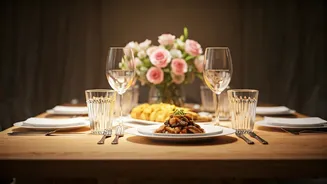
Often, parental stress comes from a rigid definition of success: a perfectly balanced meal where everyone cleans their plate and says ‘thank you’. This is a lovely fantasy, but a terrible daily standard. It’s time for a mindset shift. The new definition of a successful family meal is simply this: you all sat down together. That's it. The goal is connection, not consumption. If the kids only ate the roti and ignored the sabzi, but you had a five-minute conversation about their day without anyone shouting, you’ve won. Let go of the need to control every bite. Your job is to provide a variety of healthy options; their job is to decide what and how much to eat. Trusting this division of responsibility lifts a huge weight off your shoulders. Some nights they’ll eat a lot, some nights very little. Over the course of a week, it almost always balances out.
Embrace a Rotation Menu
The pressure to be creative every single night is exhausting and unnecessary. Most families, especially those with young children, thrive on predictability. Create a two-week rotation of 10-12 family-favourite meals. These are your go-to, no-fail dinners that you know (almost) everyone will eat without complaint. Think rajma chawal, simple chicken curry, paneer bhurji, dal fry with rice, or vegetable pulao. Having this core rotation means you're never starting from scratch. You already have the ingredients and the muscle memory to make them quickly. This doesn't mean you can never try new things. Dedicate one night a week (or a fortnight) to a new recipe, but on busy weeknights, lean on your trusted rotation. It's the culinary equivalent of a comfort blanket—reliable, soothing, and always welcome.