






Why Central India?
While the Himalayas offer dramatic climbs and coastal routes provide sea breezes, Central India presents a different kind of magic. The trails here, especially through states like Madhya Pradesh and Chhattisgarh, are often quieter and less trafficked.
This region is a tapestry of ancient forests, rolling plateaus, historic forts, and vibrant tribal culture. You get to experience the rhythm of rural India at your own pace, far from the crowds. The terrain is varied but generally less extreme than the high mountains, making it accessible for intermediate cyclists looking for a challenge without being overwhelmed.
Sketching Your Epic Route
The heart of your tour is the route. Instead of a rigid itinerary, think in terms of a general direction. A great starting point is tracing routes between national parks. For example, a tour connecting Kanha and Bandhavgarh Tiger Reserves in Madhya Pradesh takes you through stunning buffer zones and rural landscapes. Another option is exploring the Satpura Range, with its mix of forest roads and scenic climbs. Use tools like Komoot or the heatmap feature on Strava to find roads popular with other cyclists. Don't over-plan your daily distance; 50-70 kilometres a day is a realistic goal that leaves time for exploration, photo stops, and chai breaks.
Your Trusty Steed and Gear
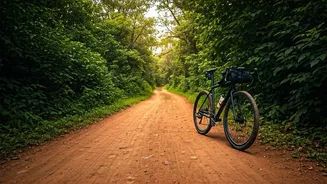
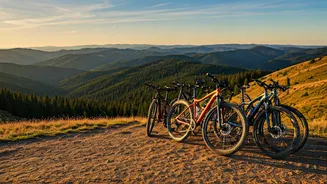
Your bike is your partner on this journey. While a dedicated touring bike is ideal, a sturdy hybrid or a mountain bike with semi-slick tyres will also do the job. The most important thing is that it's well-maintained and comfortable for long hours. Invest in a good saddle! Your primary gear includes panniers (saddlebags) to carry your belongings without wearing a heavy backpack. Essential non-negotiables are a helmet, front and rear lights (even for daytime visibility), a comprehensive puncture repair kit, and a multi-tool for on-the-go adjustments.
Packing Light, Packing Smart
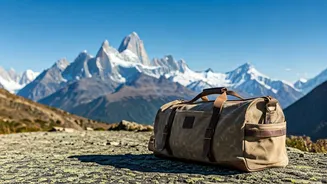
Every gram counts when you're powering the journey yourself. The mantra is 'layers and quick-dry'. Pack two sets of cycling clothes so you can wash one set in the evening and have it dry by morning. For off-bike time, one pair of lightweight trousers and a shirt will suffice. Your essentials list should include: a basic first-aid kit, sunscreen, a high-capacity power bank for your phone/GPS, a water bottle and a filter or purification tablets, and high-energy snacks like nuts and energy bars. Roll your clothes tightly to save space and pack everything in waterproof bags inside your panniers.
On-the-Road Logistics
This is where the real adventure begins. Accommodation can be a mix of pre-booked guesthouses in larger towns and spontaneous stays in small lodges or dhabas along the way. In rural India, people are often incredibly hospitable, but it's wise to have a plan for where you'll end your day. For food, embrace the local dhabas. They offer hearty, affordable meals and are a great way to experience local culture. Always carry enough water to get you between refill points. Keep your phone charged and a paper map as a backup. The key is to be flexible; some of the best moments on a bike tour are the unplanned detours and unexpected encounters.
Safety and Awareness
Even on quiet trails, safety is paramount. Always be aware of your surroundings; rural roads can have unpredictable traffic, from tractors to livestock. Make sure someone at home knows your general route and planned check-in times. Learn basic bike maintenance, especially how to fix a flat tyre – it’s the most common issue you'll face. While India is generally safe for travellers, it's wise to be cautious. Avoid riding after dark and trust your instincts. Be friendly but firm, and you’ll find that most people are curious and helpful.