


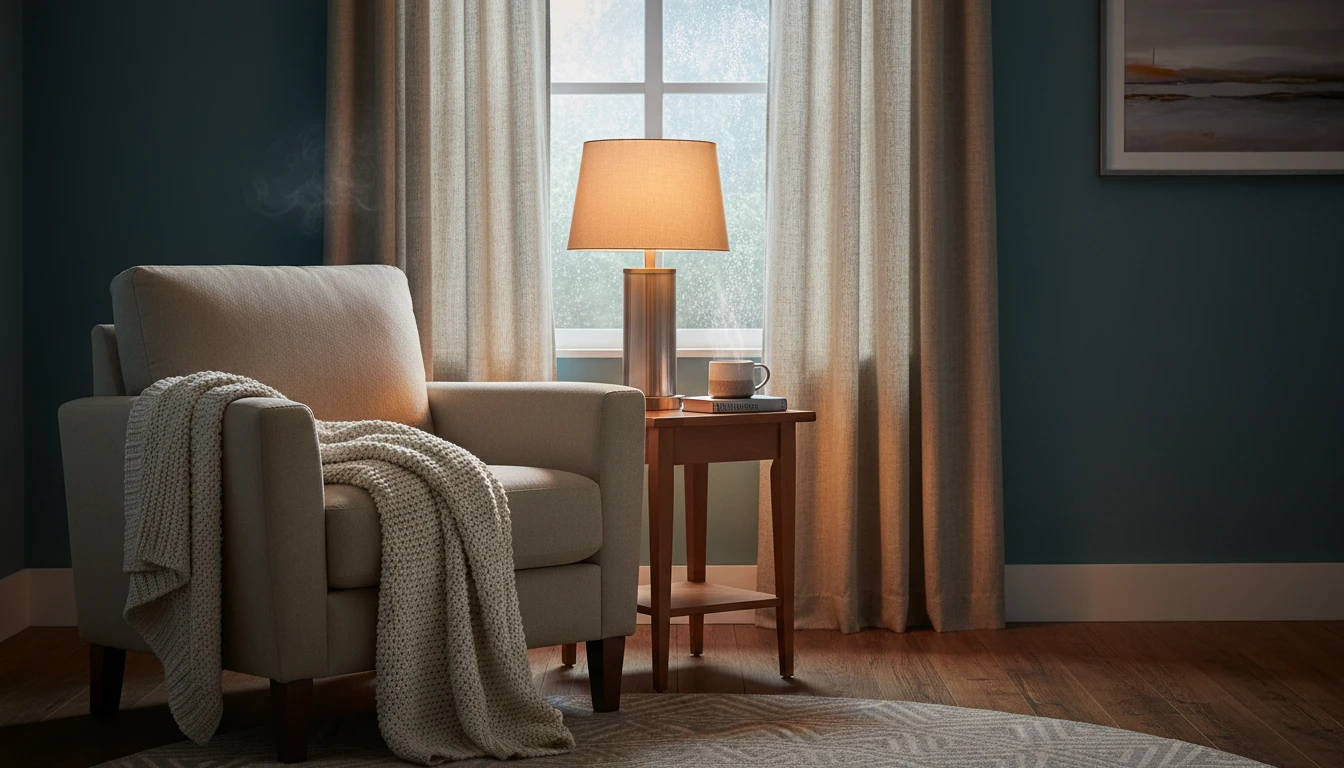




Choose Your Materials Wisely
The single biggest battle during the monsoon is against moisture, which can cause furniture to swell, warp, and develop mould. Heavy wooden furniture is particularly vulnerable. If you're looking to invest in new pieces, consider materials that are more
resistant to humidity. Metals like powder-coated aluminium and stainless steel are excellent choices as they don't rust easily and are simple to wipe dry. Natural materials like bamboo, cane, and rattan are also well-suited for humid climates as they don't trap moisture and add a light, airy feel to the room. If you have existing wooden furniture, try to keep it a few inches away from walls to prevent moisture transfer and ensure better air circulation.
The Case for Less Clutter
A cluttered home can feel chaotic, but during the monsoon, it also becomes a trap for dampness. Excess items restrict airflow, creating pockets of stagnant, humid air where mould and mildew can thrive. Before the rains set in, take time to declutter your space. Organise wardrobes, clear out under-bed storage, and tidy surfaces. A minimalist approach not only makes a room feel larger and more open but also makes it easier to clean and helps prevent the buildup of moisture. This is particularly important for areas like storerooms and bathrooms which are already prone to dampness.
Rethink Your Textiles and Fabrics
Heavy fabrics are a major culprit in making a home feel damp and musty during the rains. Thick carpets, plush rugs, and heavy velvet or brocade curtains absorb a tremendous amount of moisture from the air, take a long time to dry, and can develop an unpleasant smell. It's a wise move to roll up and store heavy carpets and rugs for the season. Swap them for lightweight, quick-drying mats made of coir or moisture-resistant materials. For upholstery, curtains, and bedding, choose breathable, quick-drying fabrics like cotton, linen, or polyester blends. Sheer or lightweight cotton curtains are a great option as they allow maximum light and air to enter the room, combating the gloom of overcast days.
Prioritise Light and Airflow
With grey skies outside, it's crucial to maximise light and air within the home. It might seem logical to shut windows to keep rain out, but this traps humid air inside. Whenever there's a dry spell, open up windows and doors to encourage cross-ventilation. This simple act helps to reduce humidity and prevent musty odours from settling in. Enhance the brightness by using light-coloured decor elements. Whites, beiges, and soft pastels on walls and furnishings can make a space feel more open and uplifting, even on the darkest days.
Combat Musty Odours Naturally
Despite your best efforts, the characteristic musty monsoon smell can sometimes creep in. Instead of masking it with artificial air fresheners, tackle the source and then introduce natural fragrances. Place bowls of natural moisture absorbers like rock salt or baking soda in damp corners or inside cupboards. Camphor pouches, dried neem leaves, or cloves can also be placed in wardrobes to keep clothes fresh and deter insects. For a pleasant aroma, use essential oil diffusers with scents like lemongrass or eucalyptus, or simmer a pot of water with citrus peels and cinnamon sticks.