

Our Star's Volatile Temperament
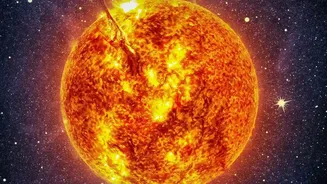
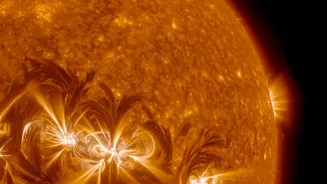
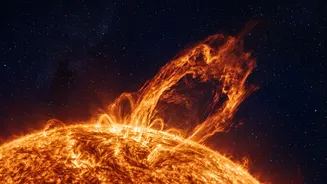
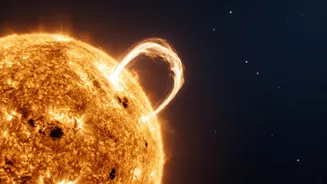
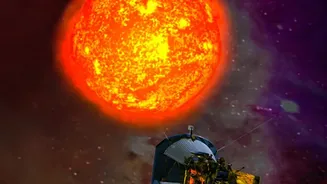
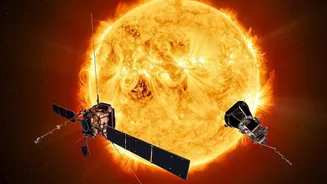
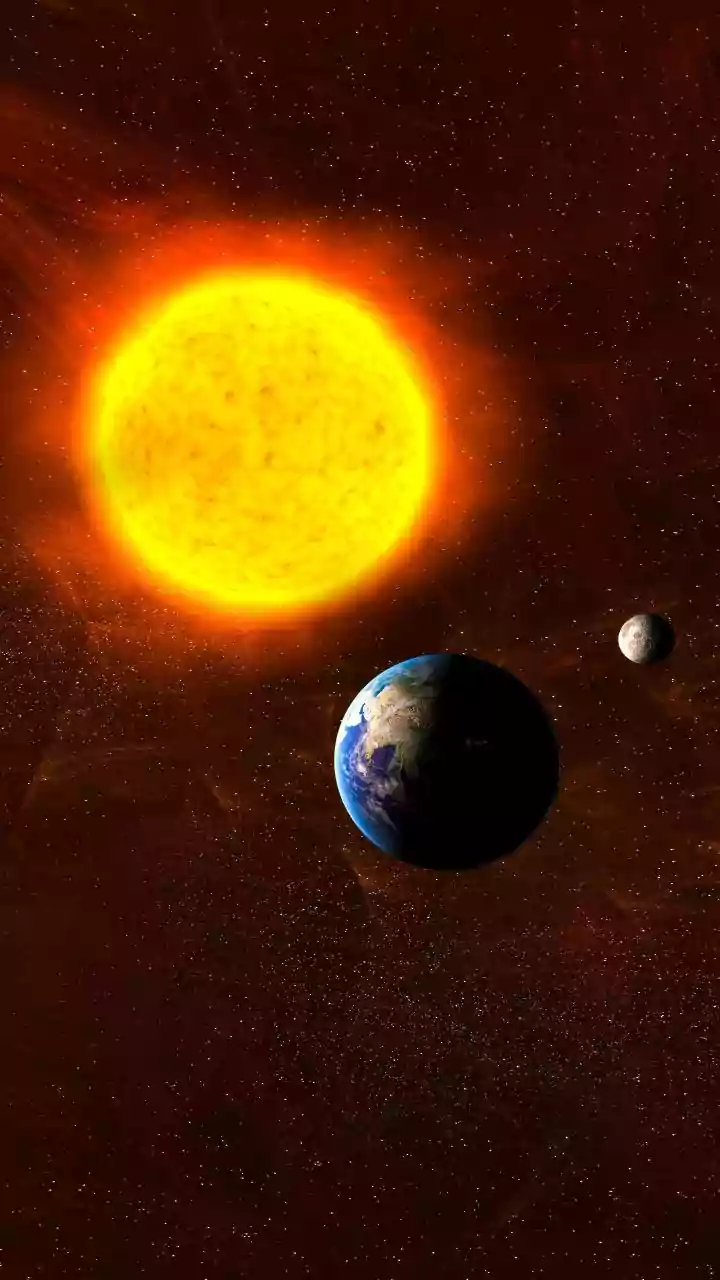
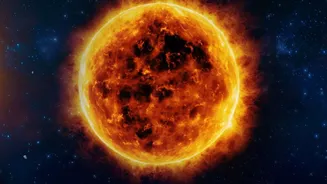
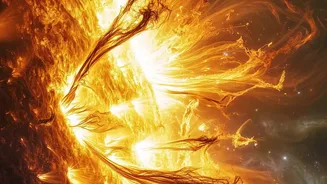
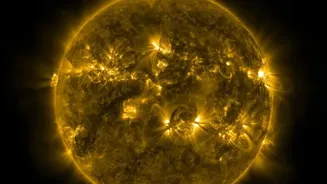
The sun isn't just a steady ball of light in the sky. It's a dynamic, churning star with a complex magnetic field. Sometimes, this magnetic energy builds up and snaps, releasing immense bursts of radiation called solar flares. Often accompanying these
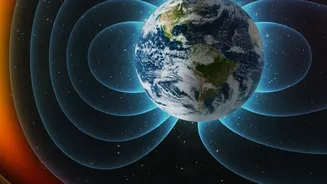
flares are coronal mass ejections (CMEs), which are colossal clouds of charged particles and plasma hurled into space at incredible speeds. While many of these events miss our planet, those directed at Earth can trigger what's known as a geomagnetic storm, a major disturbance of our planet's magnetic field and upper atmosphere. These events are collectively called space weather, and as our reliance on technology grows, so does our vulnerability to them.
The High Stakes of Space Weather
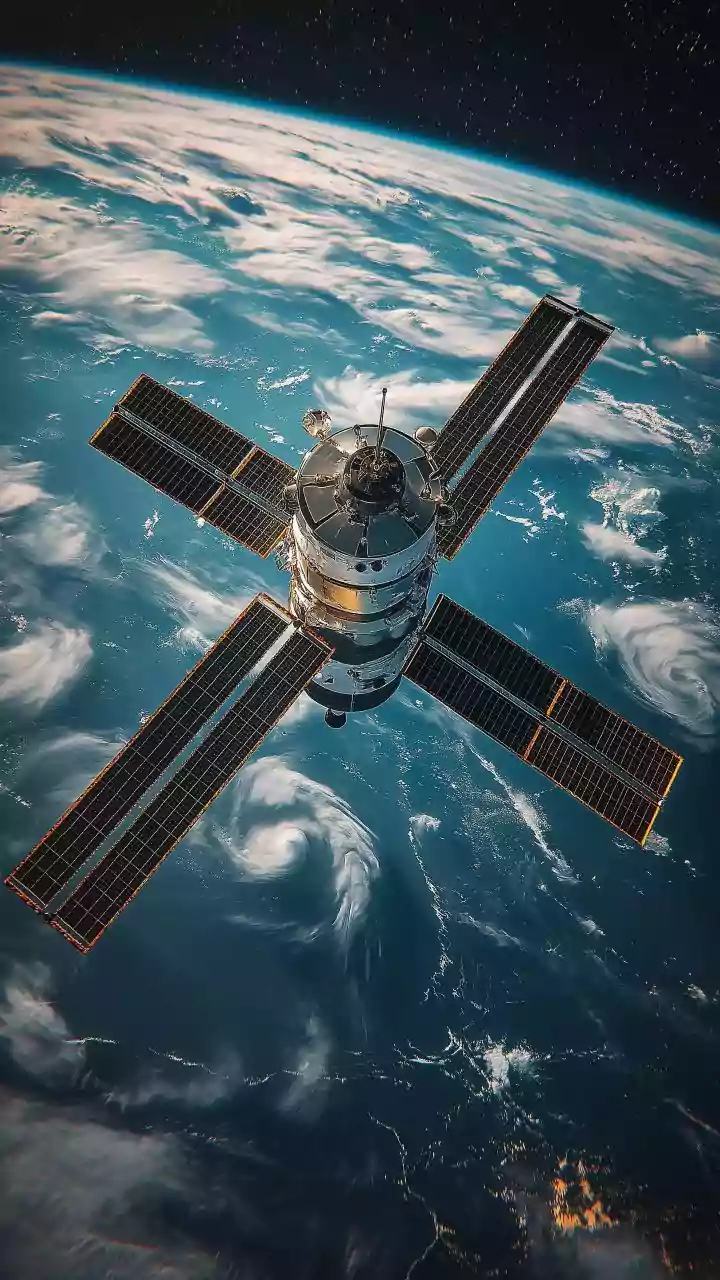
A strong geomagnetic storm is more than just the source of beautiful auroras. For our modern infrastructure, it's a significant threat. These storms can induce powerful electrical currents in the ground, potentially overloading and damaging power grids, leading to widespread blackouts. In orbit, the danger is even more direct. Satellites, which are essential for everything from GPS navigation and financial transactions to television broadcasts and weather forecasting, are highly vulnerable. The surge of charged particles can fry sensitive electronics, degrade solar panels, and even alter their orbits, increasing the risk of collisions. For a digitally connected nation like India, which depends on a robust network of satellites and a stable power grid, the ability to anticipate these storms is a matter of economic and national security.
A New AI-Powered Oracle
Predicting which solar eruption will cause a significant geomagnetic storm on Earth has always been a major challenge. This is where NASA's latest research comes in. Scientists are now using artificial intelligence to sift through vast amounts of data from solar observatories and find patterns that precede dangerous activity. One such model, known as DAGGER, can predict the specific locations on Earth that an impending solar storm will strike with about 30 minutes of advance warning. It does this by analysing real-time measurements of the solar wind, the stream of particles constantly flowing from the sun, and rapidly calculating its likely impact. Another recent AI model, developed by researchers including those from the New Jersey Institute of Technology, is called EarlyDetect. This system focuses on an even earlier stage, identifying the subtle acoustic and magnetic signs that a new, potentially volatile active region is forming on the sun, sometimes hours before it becomes clearly visible.
From Minutes to Actionable Warnings
The key advantage of these AI models is time. While 30 minutes of warning from a model like DAGGER might not sound like much, it can be enough for power grid operators and satellite controllers to take protective measures. They can re-route power, put sensitive satellite systems into a safe mode, and prepare for potential disruptions. The EarlyDetect model offers an even greater lead time on a different problem, forecasting the emergence of a storm-producing region itself with an average of several hours of notice. This doesn't predict the exact moment of a flare, but it tells forecasters where to watch with intense focus. These AI-driven approaches are a significant leap forward from previous methods, which often provided less specific or shorter-term warnings. The models work incredibly fast, with DAGGER able to produce a new global forecast in less than a second.
The Future of Solar Forecasting
The development of AI tools like DAGGER, EarlyDetect, and another NASA-IBM model named Surya marks a pivotal shift in our relationship with the sun. By combining AI's pattern-recognition abilities with a constant stream of satellite data, scientists are building a more reliable early warning system for space weather. As one lead researcher noted, this AI makes it possible to generate rapid and accurate global predictions that can help prevent devastation to modern society. Making these models open-source, as NASA has done, encourages collaboration and speeds up innovation among scientists worldwide. As our world becomes ever more wired and our ambitions in space grow, our ability to forecast the sun's moods is no longer just a scientific curiosity—it's an essential service for protecting our way of life.