



The Hidden Dangers in Your Cleaning Caddy
Many popular household cleaners contain chemicals that are effective for disinfecting but toxic to pets. Since our pets walk, sleep, and play on these surfaces, their exposure is high. They can inhale fumes, absorb chemicals through their paw pads, or ingest
residue by licking their fur and paws during grooming. Common culprits to watch for on ingredient labels include ammonia, bleach (sodium hypochlorite), phenols, and isopropyl alcohol. Ammonia, found in many glass and multi-surface cleaners, can irritate your pet's respiratory system. Bleach can cause skin irritation, eye problems, and if ingested in concentrated forms, severe damage to the esophagus and stomach. Phenols, often found in disinfectants with a “pine” scent, are particularly dangerous for cats, whose livers cannot properly metabolise the compounds. Even products with vague terms like “fragrance” can contain phthalates, which are linked to various health issues.
Recognising the Signs of Poisoning
Accidental exposure can happen quickly, and the symptoms can range from mild to severe. If you notice your pet exhibiting any unusual signs after a cleaning session, it’s crucial to act fast. Signs of ingestion often include vomiting, excessive drooling, pawing at the mouth, lethargy, or a refusal to eat. Inhaling fumes from harsh chemicals can lead to coughing, sneezing, watery eyes, or difficulty breathing. Skin contact with corrosive agents may result in rashes, blisters, or visible irritation on their paws or skin. More severe neurological symptoms like disorientation, lack of coordination, or even seizures can occur with exposure to substances like isopropyl alcohol. If you suspect your pet has been exposed to a toxic substance, it's important to contact your veterinarian immediately.
A Simple Safety Routine for Cleaning Day
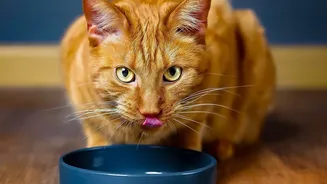
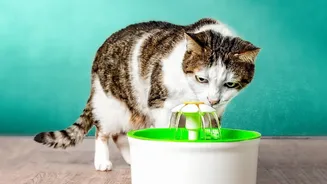
Protecting your pet doesn't require abandoning a clean home. A few simple, consistent steps can make all the difference. Before you start mopping or deep cleaning, move your pet’s food and water bowls, along with any toys, to a room that isn't being cleaned. This prevents cleaning solutions from splashing or settling onto them. It’s best to keep pets completely out of the area you are cleaning. Secure them in a separate room or a crate until all surfaces are completely dry. Proper ventilation is also key; open windows and use fans to help dissipate fumes and speed up drying time. Once the floor is dry to the touch, it is generally safe to let them back into the room. Always store cleaning products in a secure cabinet or closet that your pets cannot access.
Choosing Pet-Safe Cleaning Alternatives
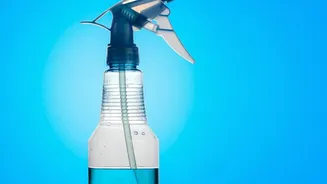
For pet owners who want to avoid harsh chemicals altogether, there are many effective and safe alternatives. A simple and popular DIY solution for many floor types, including ceramic tile, vinyl, and linoleum, is a mixture of equal parts white vinegar and water. The vinegar acts as a natural disinfectant and deodoriser. For hardwood floors, a less acidic option like a few drops of unscented castile soap mixed with warm water is a safer choice. Baking soda is another powerhouse, useful for scrubbing surfaces and even pet bowls when made into a paste with water and salt. If you prefer to buy commercial products, look for cleaners that are explicitly labelled as “pet-safe” and free from ammonia, bleach, and phenols. Plant-based cleaners that disclose all their ingredients are often a reliable choice.