


The Air Turns 'Poor'
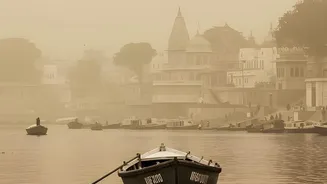
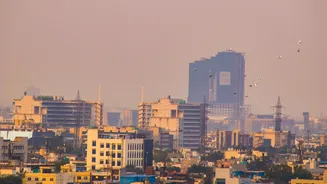
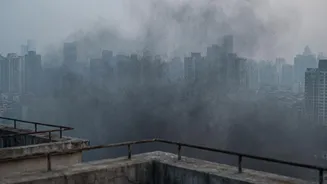
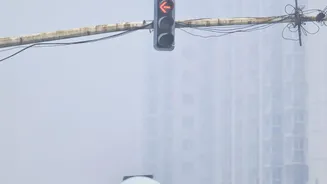
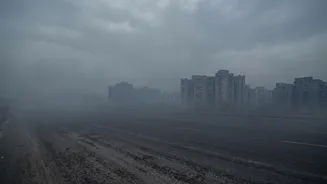
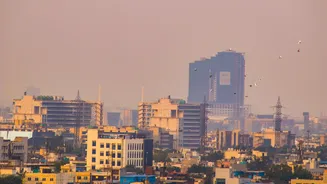
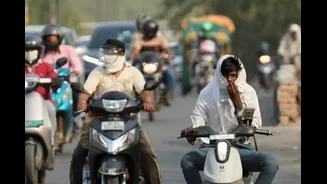
The trigger for the new controls was a sharp spike in the Air Quality Index (AQI). On October 20, Delhi's average AQI was 179, in the 'Moderate' range. By the afternoon of October 21, it had jumped to 244, firmly in the 'Poor' category, prompting the Commission
for Air Quality Management (CAQM) to act. This decline is an annual ordeal for the region, caused by a combination of factors including changing weather patterns that trap pollutants, vehicular emissions, industrial activity, and smoke from stubble burning in neighbouring states. Forecasts from the India Meteorological Department (IMD) predict that the air quality is likely to remain in the 'Poor' category in the coming days, necessitating preemptive action.
What is GRAP?
The Graded Response Action Plan, or GRAP, is a set of emergency measures designed to be implemented in stages to combat worsening air pollution in the Delhi-NCR region. Notified in 2017 following a Supreme Court order, it's not a year-round plan but a proactive system that kicks in to prevent air quality from deteriorating further. The CAQM, a statutory body, is responsible for implementing it. The plan is incremental. Actions are divided into four stages based on AQI levels: Stage 1 for 'Poor' (AQI 201-300), Stage 2 for 'Very Poor' (AQI 301-400), Stage 3 for 'Severe' (AQI 401-450), and Stage 4 for 'Severe+' (AQI above 450). When a higher stage is invoked, the measures from all previous stages remain in effect.
The Rules of Stage 1
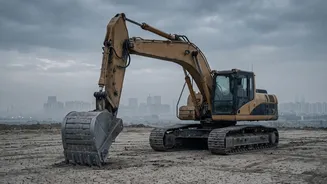
With Stage 1 now in effect, a range of 25 specific actions targeting key pollution sources have been activated across the entire NCR. Authorities have been directed to intensify dust suppression measures, including mechanised sweeping and regular water sprinkling on roads. Strict enforcement of rules at construction and demolition sites is a major focus; sites larger than 500 square metres must be registered on a government web portal and adhere to dust control norms. Open burning of garbage is strictly banned. A significant rule for businesses is the prohibition on using coal or firewood in tandoors at hotels, restaurants, and other eateries; they must switch to electricity or clean gas. Furthermore, the use of diesel generator sets is restricted, with exemptions only for specified emergency and essential services.
Impact on Residents and Transport
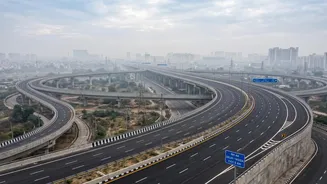
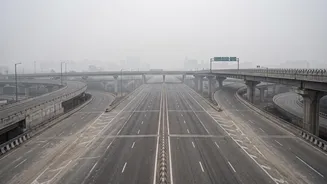
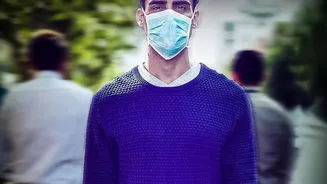
For the general public, GRAP-1 means heightened vigilance and compliance. Agencies will conduct stricter checks for Pollution Under Control (PUC) certificates and may issue fines for violations. One of the most significant restrictions impacts transportation: interstate buses from neighbouring states like Haryana, Uttar Pradesh, and Rajasthan are not permitted to operate in Delhi-NCR unless they are electric, CNG-powered, or compliant with BS-VI diesel standards. The CAQM has also urged citizens to cooperate by following the citizen charter, which includes maintaining vehicles properly, turning off engines at red lights, and reporting instances of open burning or other violations. These early measures aim to reduce public exposure to harmful pollutants like PM2.5 and PM10 before the air quality slips into more dangerous categories.
What Happens Next?
The implementation of Stage 1 is just the first step in a long battle against winter pollution. The CAQM will continue to monitor the air quality and weather forecasts closely. If the AQI deteriorates further and enters the 'Very Poor' category (301-400), Stage 2 will be invoked, bringing even stricter measures. These could include increasing parking fees to discourage private transport and intensifying actions at known pollution hotspots. Stage 3 ('Severe') involves hard-hitting restrictions like a ban on construction and demolition activities and limitations on certain types of vehicles. The final and most drastic level, Stage 4 ('Severe+'), is an emergency response that may include banning the entry of trucks into Delhi and considering measures like work-from-home orders and school closures.