


The Festive Feasting Dilemma
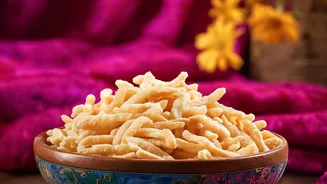
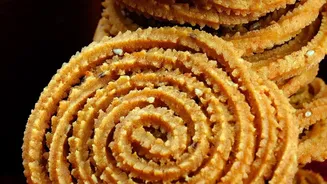
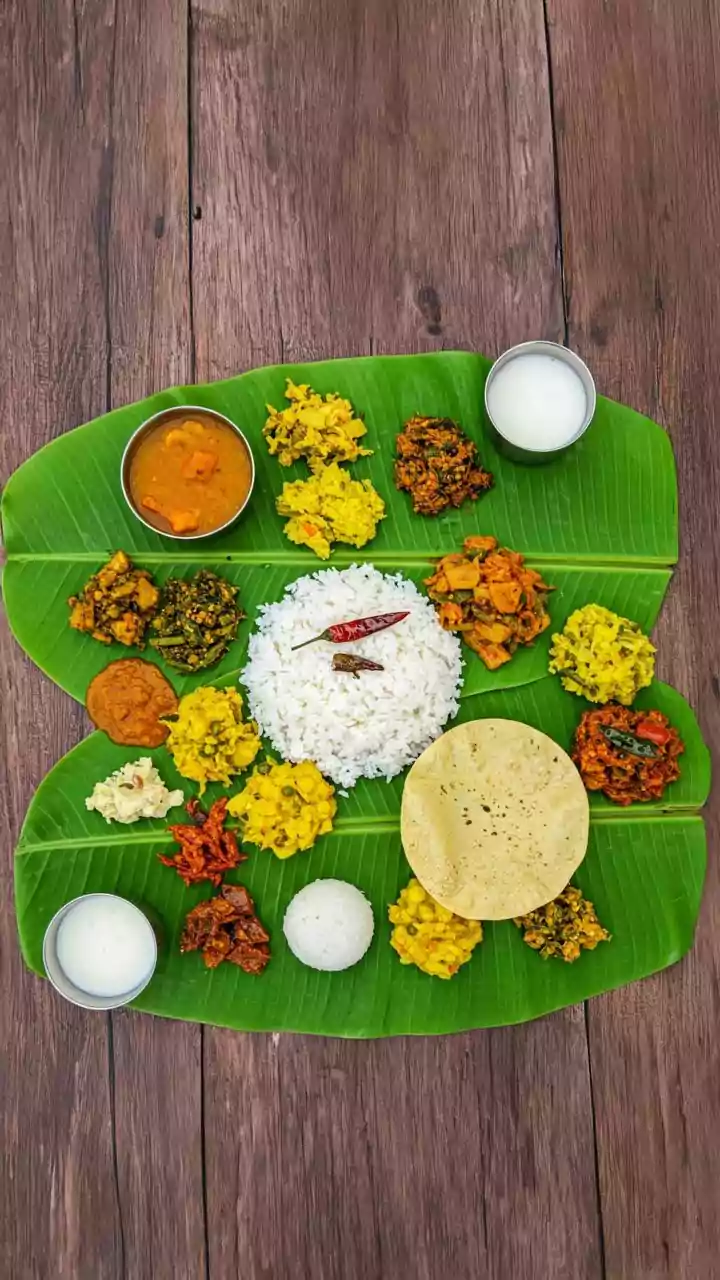
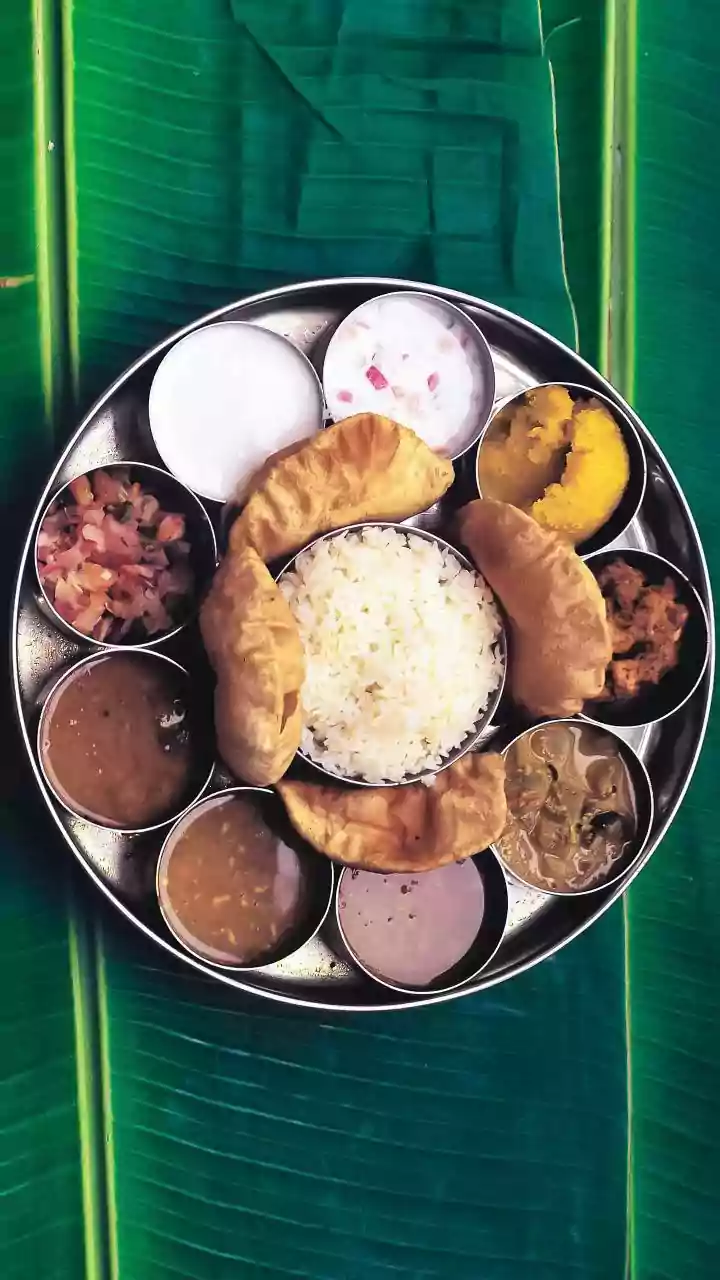
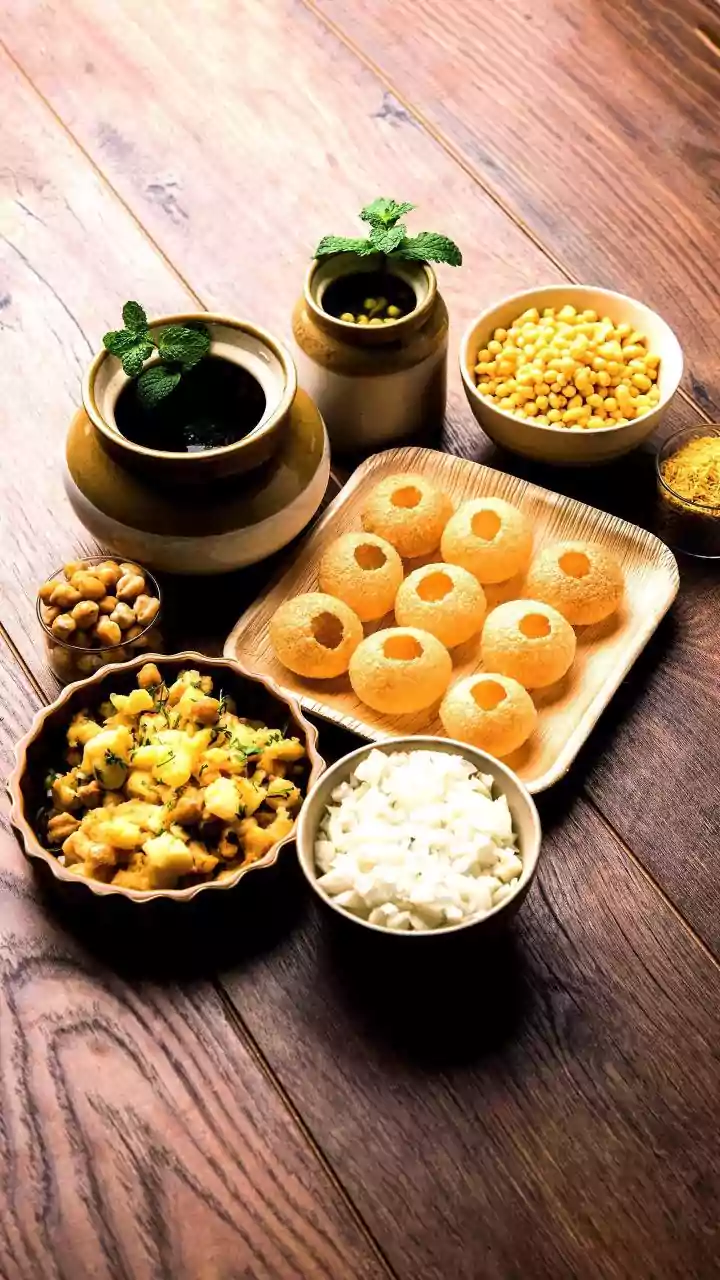
For generations, Indian festivals have been synonymous with abundance, community, and, of course, food. Platters laden with deep-fried mathris, ghee-soaked laddoos, and namkeens made from refined flour (maida) are central to the celebrations. While delicious,
this annual indulgence often comes with a sense of guilt for the health-conscious. The post-festival feeling of sluggishness and the battle to get back to a routine are all too familiar. This has created a cultural tension between the heart's desire for celebratory foods and the mind's awareness of wellness, leaving many wondering if it's possible to honour tradition without compromising their health goals.
The Resurgence of an Ancient Super Grain
Enter millets, the humble 'super grains' that were staples in Indian diets for centuries before being sidelined by wheat and rice. Now, these powerful little seeds like jowar (sorghum), bajra (pearl millet), and ragi (finger millet) are making a major comeback. This revival is fuelled by a perfect storm of factors: a government push, including the 'International Year of Millets' initiative, and a surge in consumer awareness about their benefits. Millets are naturally gluten-free, making them ideal for people with gluten sensitivities or celiac disease. They are also packed with fibre, protein, and essential minerals, and often have a lower glycemic index than refined grains, which helps in managing blood sugar levels.
From Traditional Fare to Trendy Snack
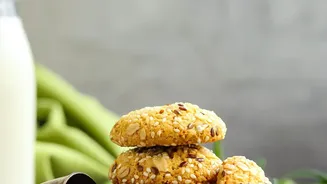
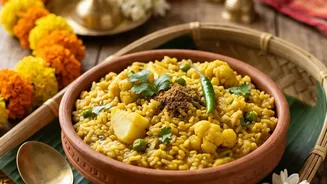
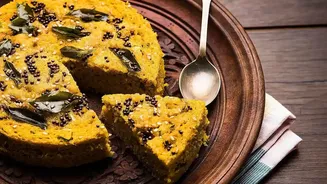
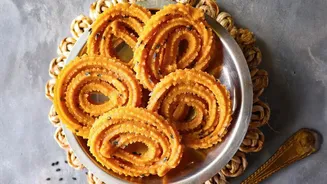
The real magic lies in how these ancient grains are being reimagined for the modern palate. Startups and established food brands are transforming millets into a dazzling array of festive snacks that are both healthy and delicious. Instead of fried snacks, think baked millet chaklis, crunchy ragi crackers, and savoury jowar puffs. Traditional sweets are also getting a makeover, with companies offering millet-based laddoos sweetened with jaggery or dates, and even millet Mysore pak and soan papdi. These products retain the essence of festive flavours while offering a cleaner nutritional profile, free from refined flour, excess oil, and artificial additives.
A Shift in the Indian Consumer's Mindset
This trend is more than just a passing fad; it reflects a fundamental shift in Indian consumer behaviour. A 2026 report noted that a vast majority of Indian consumers now prioritise protein in their snacks and prefer natural sweeteners over refined sugar. There is a growing demand for 'clean labels' and ingredient transparency, with shoppers wanting to know exactly what is in their food. The health-conscious urban consumer, armed with information, is no longer willing to accept 'empty calories'. They are actively seeking foods that provide functional benefits, from better digestion to sustained energy. Millet snacks, being rich in nutrients and fibre, perfectly cater to this evolving, more intentional approach to eating.
Celebrating Tradition, Sustainably
The appeal of millets extends beyond personal health. These crops are known for their resilience and require significantly less water than rice and wheat, making them an environmentally friendly choice for farmers. By choosing millet-based products, consumers are not only making a healthier choice for themselves but also supporting sustainable agriculture and the livelihoods of local farmers. This alignment of health, tradition, and sustainability is what makes the millet trend so powerful. It allows consumers to participate in festive rituals with joy and without guilt, creating new traditions that are mindful of both personal well-being and planetary health.