



The ‘N+1’ Rule Is Not Just a Suggestion
You’ve likely heard the golden rule of litter boxes: you need one for each cat, plus one extra. This means two boxes for one cat, and three for two cats. While it might seem like a lot, veterinarians and feline behaviorists swear by it for good reason.
Cats are territorial by nature and value their own resources. Having multiple boxes reduces competition and stress in a multi-cat home, ensuring a shy cat can’t be blocked from accessing a box by a more dominant one. It also gives every cat a clean option if one box is already used. Some cats even prefer to urinate in one box and defecate in another. Following the N+1 rule is the single best way to prevent territorial disputes and avoidance issues before they start.
Size and Style Matter More Than You Think
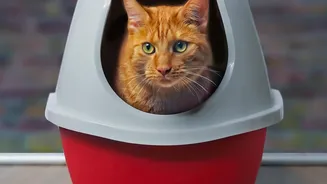
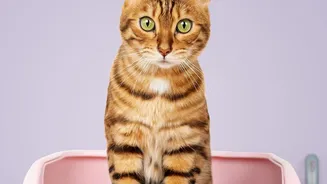
Many commercial litter boxes are simply too small for an adult cat. The ideal box should be at least 1.5 times the length of your cat, from their nose to the base of their tail. This gives them enough room to turn around, dig, and eliminate without feeling cramped. Large storage containers can often make for better and more affordable oversized litter boxes. When it comes to style, humans often prefer covered boxes to hide the mess and smell. However, many cats feel trapped, ambushed, or unsafe in a covered box because it limits their visibility and escape routes. An open-top box is generally a safer bet, as it allows for better ventilation and lets your cat keep an eye on their surroundings. While some studies show no strong preference overall, individual cats can be very particular.
Location, Location, Location
Where you place the litter boxes is just as important as how many you have. Boxes should be in quiet, low-traffic areas where your cat won't be startled by loud noises from appliances like washing machines or furnaces. They need to feel safe and have a sense of privacy. Crucially, never place litter boxes near your cat's food and water bowls; cats instinctively avoid eliminating where they eat. In a multi-cat household, don't cluster all the boxes in one room. Cats will see this as a single location. Instead, spread them out in different areas and on different floors of your home to establish separate territories and ensure a box is always easily accessible.
The Feel of the Litter is Crucial
Imagine walking on a surface you find unpleasant every time you use the bathroom. That’s how a cat can feel about the wrong litter. Most cats instinctively prefer a soft, fine-grained, unscented clumping litter because it closely mimics the sandy soil they would naturally use. While scented litters appeal to humans, their strong perfumes can be overwhelming for a cat's sensitive nose and may cause them to reject the box entirely. If you need to switch litter types, do so gradually by mixing the new litter with the old to give your cat time to adjust. Finding a litter your cat likes and sticking with it provides consistency and comfort.
A Clean Box for a Fastidious Creature
A dirty litter box is one of the most common reasons a cat will choose to eliminate elsewhere. Cats are fastidiously clean animals, and a box filled with waste is offensive to them. It’s essential to scoop the box at least once a day—twice is even better. The entire box should be emptied, washed with mild soap and hot water, and refilled with fresh litter regularly, about every two to four weeks for clumping litter. Avoid using harsh chemicals or ammonia-based cleaners, as the residual smell can deter your cat. An unclean box can even cause a cat to hold their urine, which can lead to serious health issues like urinary tract infections.