







Planning Before You Go
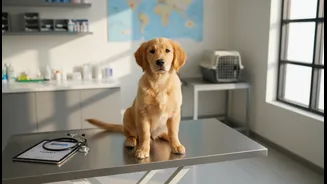
A successful road trip with a pet begins long before you start the engine. The most crucial first step is a visit to the veterinarian for a health check-up to ensure your pet is fit for travel. This is also the time to get any necessary medications for conditions
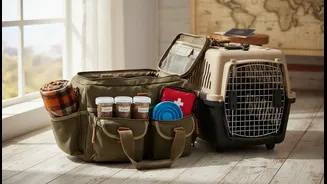
like car sickness. Make sure your pet's vaccinations, especially for rabies, are up to date and carry a copy of their health records with you. It’s also wise to get your pet accustomed to the car. Start with short drives, gradually increasing the duration, to help reduce anxiety and identify potential issues like motion sickness early on. Finally, pack a dedicated bag for your pet with their food, water, bowls, a leash, waste bags, a first-aid kit, and a favourite toy or blanket to provide a sense of familiarity.
The Non-Negotiable Rest Stop
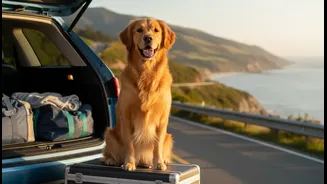
While you might power through a long drive, your pet cannot. Vets and travel experts recommend stopping every two to three hours for a break of at least 15 to 20 minutes. These stops are critical not just for toilet breaks, but for stretching, hydration, and mental relief. In India, finding a safe, pet-friendly highway stop requires planning. Look for open, grassy areas away from heavy traffic. Always keep your pet on a leash during stops, as an unfamiliar environment can be overwhelming and might cause them to bolt unexpectedly. Use this time to offer fresh water and let them sniff around. This helps burn off pent-up energy and makes the next leg of the journey more comfortable for everyone.
Beating the Heat: Shade and Safety
In the Indian climate, heat is a major risk for pets during road travel. The single most important rule is to never leave your pet alone in a parked car. Even on a seemingly mild day with the windows cracked, the temperature inside a vehicle can rise to life-threatening levels within minutes. On a 21°C day, a car's interior can reach 40°C in just half an hour. During rest stops, always seek out shade. Be mindful of hot asphalt, which can burn sensitive paw pads; if it's too hot for your hand, it's too hot for their paws. To keep your pet cool in the car, ensure good air circulation with the AC or a fan. You can also use cooling mats or damp towels for your pet to lie on. Watch for signs of overheating like excessive panting, drooling, weakness, or glazed eyes, and act immediately if you spot them.
Mastering Feeding Discipline on the Move
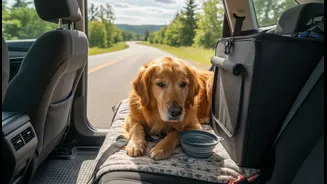
Maintaining a feeding routine is key to preventing digestive upset and car sickness. It's best to feed your pet a light meal three to four hours before you begin your journey. Feeding them right before you leave or in a moving vehicle can increase the risk of nausea and vomiting. Stick to their regular food to avoid stomach issues. During the trip, it’s better to offer small meals during your long rest stops rather than a large one. Hydration is more critical than food while on the road. Offer fresh water at every stop, which should be every two to three hours. Carry your own water from home, as unfamiliar water sources can sometimes cause digestive problems. Avoid giving too many treats; instead, use breaks for exercise and affection.
Ensuring In-Car Comfort and Security
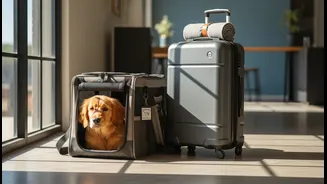
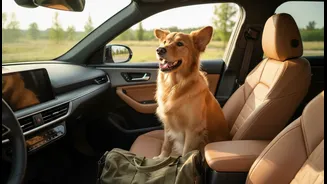
An unrestrained pet is a danger to both themselves and the driver. A loose animal can become a distraction or a projectile in case of a sudden stop or accident. The safest way for a pet to travel is in a well-ventilated carrier or crate that is secured in the car. For dogs that are crate-trained, this provides a familiar and secure den. If a crate isn’t an option, a specially designed pet seatbelt or harness is the next best choice. To make them more comfortable, include a familiar blanket or toy in their space. For particularly anxious pets, calming sprays or jackets might help, but it's always best to consult your vet before using them. A comfortable pet is a calm pet, which makes for a much smoother and safer journey.