






Ditch Plastic and 'Silken' Tea Bags
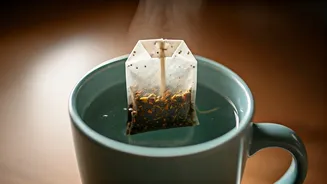
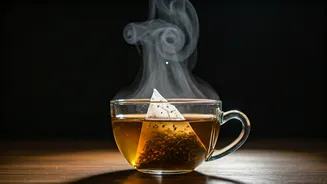
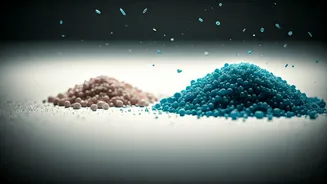
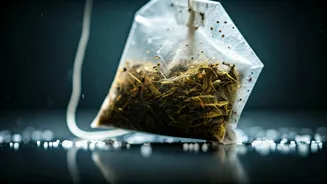
The most significant source of microplastics in tea comes from the bag itself. Many popular pyramid or 'silken' tea bags, which look premium, are often made of plastics like nylon or polyethylene terephthalate (PET). When steeped in hot water, these bags can break
down. Research from McGill University found that a single plastic teabag brewed at 95°C can release approximately 11.6 billion microplastics and 3.1 billion smaller nanoplastics into your cup. These levels are orders of magnitude higher than plastics found in other foods and beverages. Choosing to avoid these types of tea bags is the single most effective step you can take.
Scrutinise Paper Tea Bags
Switching to paper tea bags seems like an obvious solution, but it requires a careful eye. Many conventional paper tea bags use a plastic-based sealant, typically polypropylene, to hold the edges together and prevent the bag from falling apart in hot water. When you see crimped, heat-sealed edges, it's often a sign that plastic is present. Even bags labelled "biodegradable" may contain plastics that don't break down in a home compost environment. Look for brands that explicitly state they are "plastic-free" and use methods like stitching, staples, or folding to seal their bags.
Embrace Loose-Leaf Tea
The most reliable way to ensure a plastic-free brew is to bypass the bag altogether. Switching to loose-leaf tea eliminates the primary source of microplastic contamination. By using a reusable infuser made of stainless steel, glass, or ceramic, you create a brewing process with zero plastic contact. As a bonus, loose-leaf tea is often of a higher quality than the 'dust' and 'fannings' found in many tea bags, resulting in a more flavourful and aromatic cup. It’s a win for your health and your taste buds.
Re-evaluate Your Kettle
The tea bag isn't the only potential culprit in your kitchen; your kettle also plays a role. Studies have shown that plastic kettles, particularly those made from polypropylene, can leach millions of microplastic and nanoplastic particles into the water, especially during the first few boils. One study found a new plastic kettle can release almost 3 billion particles into a single 250ml cup. While the shedding decreases with use, it doesn't stop completely. The safest alternatives are kettles made from stainless steel or glass, as these materials are stable at high temperatures and do not release plastic particles.
Consider Your Water Source
Finally, the water you start with can also be a source of microplastics. Both tap water and bottled water have been found to contain these tiny particles. While this source of contamination is harder to control, adding a final filtration step can help. Using a high-quality water filter, such as a carbon block or reverse osmosis system, can effectively remove microplastics along with other impurities. This not only makes your water safer but can also improve the overall taste of your tea by removing chlorine and other minerals that can interfere with the delicate flavours.