




Why Your Indoor Air Matters More Than You Think
We often assume that once we close our doors, we're safe from outdoor pollution. However, indoor air can be two to five times more polluted than the air outside. This is because homes are relatively enclosed spaces with limited ventilation, which allows
pollutants to get trapped and accumulate. These pollutants come from both outside air seeping in and, more significantly, from sources inside our own homes. Everyday activities like cooking, cleaning, and even burning incense can release a cocktail of invisible particles and gases. Over time, continuous exposure to this polluted indoor air can lead to everything from headaches and allergies to more serious respiratory issues. Focusing on what you can control indoors is a powerful first step to breathing healthier.
Tackling the Smoke Problem: Beyond the Obvious
When we think of indoor smoke, cigarettes often come to mind. But in many Indian homes, the more frequent sources are cultural and culinary. The smoke from incense sticks (agarbatti), dhoop, and mosquito coils releases significant amounts of fine particulate matter (PM2.5) and other toxic compounds. In fact, some research suggests incense can release more particulate matter than cigarettes. Similarly, everyday cooking—especially high-heat frying and tempering (tadka)—is a major source of indoor pollution, releasing fumes and tiny oil particles that can spread throughout the home. To combat this, always use an exhaust fan or open a window when cooking. Try to limit the use of incense and candles, or at least burn them in a well-ventilated area for shorter periods. Small adjustments to these daily rituals can drastically cut down on the smoke inside your home.
Winning the War on Dust
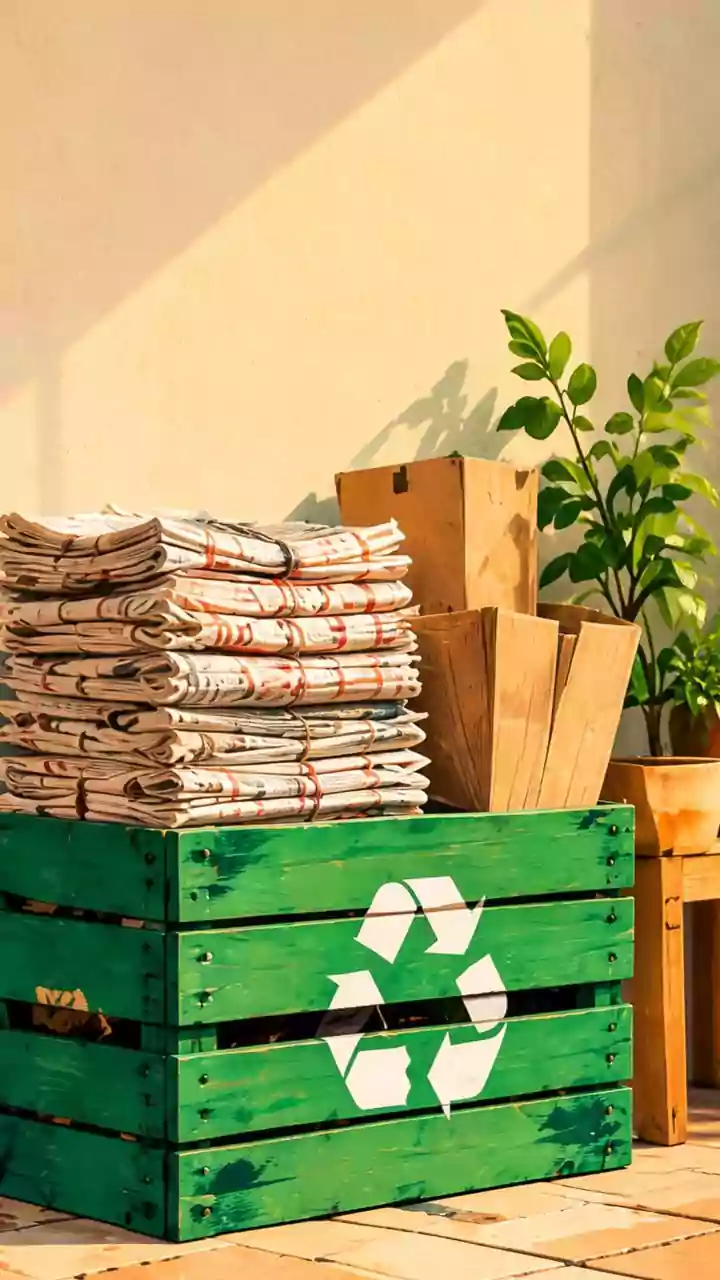
Dust isn't just dirt; it's a mix of dead skin cells, fabric fibres, dust mite fragments, and outdoor particles that have found their way inside. These particles can trigger allergies and asthma. Simply dusting isn't always enough, as dry cloths can just move dust back into the air. Instead, use a damp cloth or a microfibre duster that traps particles. Pay close attention to soft furnishings like carpets, curtains, and bedding, which are magnets for dust. Vacuum carpets regularly, preferably with a vacuum that has a HEPA filter, and wash bedding and curtains frequently in hot water. Reducing clutter is another effective strategy, as stored items like old newspapers and boxes are prime spots for dust and mould to accumulate. A consistent cleaning routine is your best defence against dust buildup.
Smart Ventilation: When to Open and When to Shut
Ventilation is a double-edged sword during high pollution days. While opening windows is crucial for flushing out indoor-generated pollutants, it can also let in a fresh wave of bad air from outside. The key is to be strategic. Check the local AQI forecast. Open your windows for 15–30 minutes during the time of day when the outdoor air quality is at its best, which is often in the early morning. For the rest of the day, when the AQI is high, it's generally better to keep windows and doors closed to prevent outdoor pollutants from entering. Using exhaust fans in the kitchen and bathroom helps remove concentrated pollutants directly at the source without having to open all the windows.
Tools for Cleaner Air: Purifiers and Plants
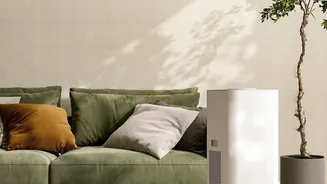
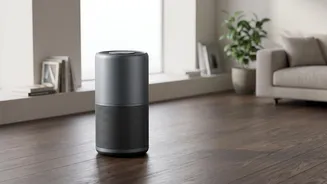
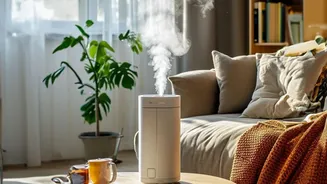
If you're looking for extra support, technology and nature can help. Air purifiers with high–efficiency particulate air (HEPA) filters are highly effective at capturing fine particles like smoke and dust. For gaseous pollutants and odours from cooking or chemicals, models with an activated carbon filter are even better. When choosing a purifier, make sure it is sized correctly for your room and place it in an area where you spend the most time, like the bedroom. While they can't solve the problem alone, some indoor plants like snake plants, spider plants, and peace lilies are known to help filter certain toxins from the air, adding a natural touch to your air quality improvement efforts.