




From Ancient Kitchens to Viral Feeds
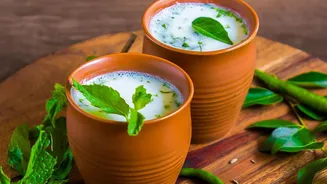
You may have seen it bubbling up on social media: milky, sometimes fizzy beverages being touted as the next big thing in gut health. These are fermented rice tonics, and while they may seem new to many, their history is thousands of years old. From Indian
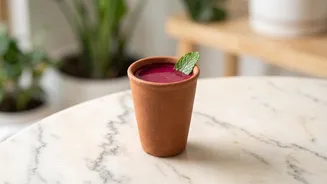
Kanji to Japanese Amazake, cultures across Asia have long valued these drinks for their nourishing properties. Today, they are being rediscovered by a generation that prioritizes holistic wellness and authenticity. Gen Z, known for their focus on mental and physical well-being, are increasingly turning away from processed options and embracing traditional, minimally processed foods and drinks. This shift has propelled ancient remedies from the kitchens of grandparents directly into the spotlight of modern wellness trends.
A Sip of History
The practice of fermenting rice is one of the oldest food technologies in the world, with evidence of rice-based fermented beverages in China dating back 9,000 years. These drinks were not just for sustenance; they played pivotal roles in rituals and traditional medicine. In India, a version called Kanji has been a household staple for generations, often called the “poor man's electrolyte drink” for its hydrating and healing properties, especially during fevers. In Japan, Amazake, a sweet, often non-alcoholic drink made from fermented rice, is nicknamed the “drinkable IV” for its rich concentration of vitamins and amino acids. This long history provides a narrative of authenticity that strongly appeals to younger consumers who are skeptical of fleeting fads.
The Gut-Health Connection
The primary driver of this trend is the growing obsession with gut health. Fermented rice tonics are natural sources of probiotics, the beneficial bacteria that support a healthy digestive system. The fermentation process breaks down the rice into a more easily digestible form, unlocking nutrients like B vitamins, minerals, and amino acids. Proponents claim these drinks can aid digestion, reduce bloating, and strengthen the immune system. For example, Kanji is rich in lactic acid bacteria which helps maintain a balanced gut microbiome. Similarly, Amazake is praised for its dietary fibre and oligosaccharides, which assist the digestive system. While many of these benefits are rooted in traditional use, modern studies have begun to explore their effects on conditions like Irritable Bowel Disease (IBD).
Why Gen Z is Drinking Up
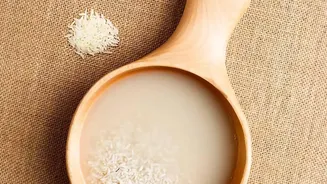
For Gen Z, wellness is a holistic and highly personalized practice. This generation is digitally native, sharing and discovering trends on platforms like TikTok, where content on natural remedies and DIY recipes thrives. Fermented rice tonics fit perfectly into this landscape. They are often simple to make at home, align with a zero-waste ethos by using leftover rice water, and offer a tangible connection to cultural heritage. Furthermore, as many in this generation adopt a “sober curious” lifestyle, these flavorful and functional beverages provide a compelling alternative to alcohol. The appeal is not just about health, but also about embracing sustainable, affordable, and authentic practices that stand in contrast to the expensive, hyper-marketed wellness products of the past.
More Than Just a Drink
The trend extends beyond just drinking these tonics. Fermented rice water has also gone viral as a skincare and haircare treatment, particularly inspired by Korean and other Asian beauty traditions. It's lauded for its ability to brighten skin, thanks to natural compounds like kojic and ferulic acid, and strengthen hair. This multi-purpose appeal reinforces its value to a generation that appreciates versatility and simplicity. Whether consumed as a gut-friendly drink or applied as a beauty treatment, fermented rice represents a return to basics. It’s a movement that champions the wisdom of ancient practices, proving that sometimes the most effective solutions are the ones that have been with us all along.