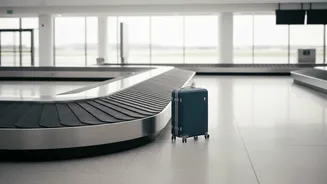







The Ruling That Changes Everything
In a significant decision for Indian travellers, a Kerala district consumer commission in July 2026 ordered an airline to pay over ₹50,000 to a passenger whose luggage was delayed by three days. The commission found the airline guilty of a “deficiency
in service” for not only delaying the bag but also for failing to compensate the passenger as required by the Ministry of Civil Aviation's Passenger Charter. The ruling included reimbursement for essential clothes the passenger had to buy, compensation for the delay itself, and litigation costs. This case sets a strong precedent, affirming that airlines are liable for the inconvenience caused and that passengers who keep proper records can successfully claim what they are owed.
Know Your Rights: What the Law Says
India’s air passenger rights are governed by the Directorate General of Civil Aviation (DGCA) and outlined in the Passenger Charter. For domestic flights, an airline's liability for delayed, lost, or damaged baggage is capped at ₹20,000 per passenger. For international flights, the Montreal Convention applies, with liability limited to approximately 1,288 Special Drawing Rights (SDR), which translates to roughly ₹1.5 lakh. If a bag is not found within 21 days, it is officially considered lost, entitling you to claim its full value up to these limits. The recent court rulings reinforce that these are not just guidelines but enforceable rights.
The Power of the Receipt
When your bag is delayed, airlines are responsible for covering reasonable, essential expenses you incur. This is where receipts become your most powerful tool. Without them, your claim for reimbursement is just your word against the airline's policies. The Kerala ruling specifically cited the passenger's receipts for clothing worth ₹8,923 as a key piece of evidence for reimbursement. Always keep original, itemised receipts for any essential purchases you make. A credit card statement can serve as a backup, but a physical or digital receipt is always best. This proof of purchase is non-negotiable when filing a claim for interim expenses.
What Counts as an 'Essential' Purchase?
While you wait for your bag, you are entitled to buy items to tide you over, but the key word is “essential.” Airlines will reimburse “reasonable” expenses. This typically includes toiletries, basic underwear, a change of clothes appropriate for your destination's climate, and perhaps a phone charger. It does not mean a new luxury wardrobe. Attempting to claim for high-end fashion or expensive gadgets will almost certainly be rejected. Think about what you absolutely need to continue your trip for a day or two. Stick to these basics and, most importantly, keep those receipts to ensure a smooth claim process.
Your First Steps at the Airport
The moment you realise your bag is missing, do not leave the baggage claim area. Immediately go to the airline's baggage service desk. You will need to file a Property Irregularity Report (PIR). This document is the official starting point of your claim; without it, the airline can argue you never reported the issue. Ensure you get a copy of the PIR with a reference number. This number is crucial for tracking your bag and for all future correspondence. Keep your boarding pass and the baggage tags given to you at check-in, as you will need these for the report.
Escalating a Claim if the Airline Refuses
If an airline rejects your legitimate claim or fails to respond within 30 days, you have further options. The first step is to escalate your grievance to the airline's nodal officer or appellate authority. If that fails, you can file a complaint on the government’s AirSewa portal (airsewa.gov.in), which provides a one-stop platform for grievance redressal. As a final step, you can approach a consumer disputes redressal commission, as the passenger in the Kerala case did. These forums are specifically designed to handle cases of service deficiency and can enforce compensation, proving that persistence pays off.