




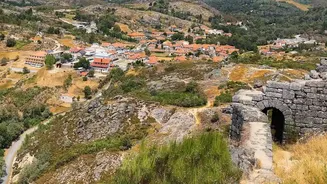
Discovering the Great Wine Regions
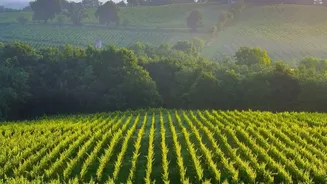
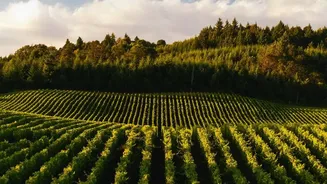
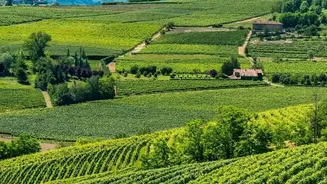
Portugal's identity is deeply rooted in its wine, and no rural trip is complete without exploring its legendary vineyards. The Douro Valley, a UNESCO World Heritage site, is the classic choice for a first visit. Its dramatic, terraced vineyards are carved
into the hillsides along the winding Douro River, creating one of the world's most spectacular wine landscapes. Famous for Port, its wineries (called 'quintas') also produce excellent dry red and white wines. For a different vibe, head south to the Alentejo. Often called Portugal's breadbasket, this vast, arid region is characterized by golden plains, cork oak trees, and a slower pace of life. The wines here are typically robust and generous, and the region is perfect for travelers who prefer vast, open landscapes and uncrowded, whitewashed villages like Monsaraz and Évora. For those who enjoy crisp, light white wines, the lush, green region of Vinho Verde in the northwest offers a refreshing alternative with its famous 'young wines'.
Embracing Agriturismo and Farm Stays
To truly connect with the Portuguese countryside, consider an 'agriturismo' or farm stay. This form of travel goes beyond a simple hotel room, immersing you in the agricultural heartbeat of a region. In the Alentejo, you can find sprawling estates ('herdades') where you might wake up to the sight of black pigs foraging under cork oaks or join in the olive harvest in autumn. Many of these properties have been in the same family for generations and offer activities like cooking classes, horseback riding, or simply sharing a meal made with ingredients grown just steps away. These stays range from rustic farmhouses to luxurious wine hotels where your room overlooks the vineyard. It’s an opportunity to understand the cycles of the land, from the harvesting of cork to the pressing of grapes, and to experience Portuguese hospitality at its most genuine.
Navigating the Rural Roads
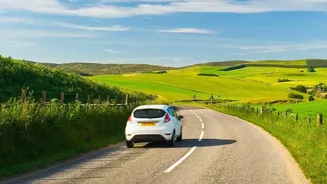
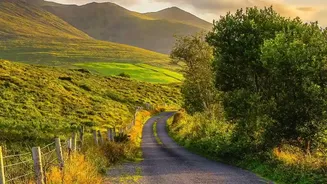
Renting a car is the best way to explore the countryside, offering the freedom to discover hidden villages and scenic viewpoints at your own pace. Main highways are modern and well-maintained, but the real magic lies on the smaller roads. Be prepared for narrow, winding routes, especially in mountainous regions like the Douro Valley. The N222 road between Peso da Régua and Pinhão is often lauded as one of the world's most beautiful drives, but it demands careful attention with its blind corners. In rural areas, mobile phone signals can be spotty, so downloading offline maps is a wise precaution. Driving outside of the cities is generally relaxed, but remember that Portugal has a strict drink-driving limit, so plan your winery visits accordingly by designating a driver or staying overnight.
The Best Time to Visit
The ideal time for a countryside trip depends on your priorities. Spring (April to June) offers mild weather, lush green landscapes, and blooming wildflowers, making it perfect for hiking and photography without the summer crowds. Autumn (September and October) is the quintessential season for wine lovers. This is harvest time ('vindima'), when the vineyards are buzzing with activity, and many estates offer special tours and the chance to see winemaking in action. Summer (July and August) brings long, sunny days but can be very hot, especially in the interior of the Alentejo. Winter is the quietest season, offering a peaceful, contemplative experience with fewer tourists and often lower prices, though some wineries may have reduced hours.