


Start with Easy Greens
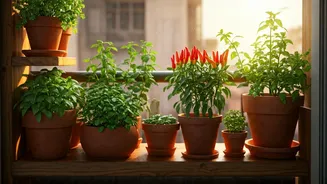
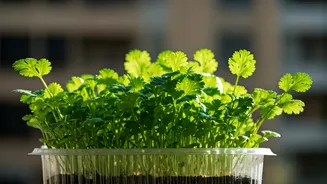
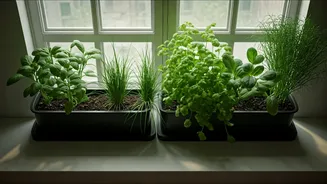
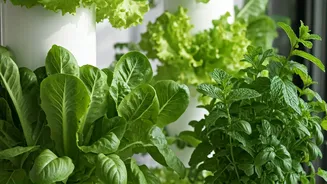
The secret to a successful home garden is starting with plants that are easy to please. For Indian homes, this means choosing greens that are both familiar in the kitchen and well-suited to our climate. Herbs like mint (pudina) and coriander (dhaniya)
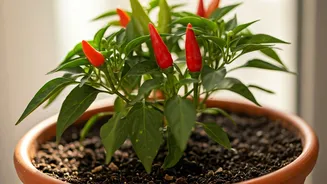
are excellent choices. Both can be grown in small pots and are relatively forgiving. Mint, in particular, is a vigorous grower and is best kept in its own container to prevent it from taking over. Spinach (palak) is another fantastic option, as it grows quickly and can be harvested multiple times. Other beginner-friendly choices include fenugreek (methi), chillies, and various types of lettuce. These plants provide quick, rewarding harvests, boosting your confidence as a new gardener.
Think Vertical, Not Just Horizontal
When you can't build outwards, build upwards. Vertical gardening is a game-changer for small spaces like apartment balconies and even indoor walls. There are many ways to go vertical without spending a fortune. You can use hanging baskets, mount planters on a wall or railing, or even repurpose an old bookshelf or ladder as a plant stand. Fabric pocket planters are another popular and affordable option, perfect for growing a variety of herbs and greens in individual pockets. These systems not only maximise your growing area but also create a beautiful living wall, adding a touch of nature to your urban environment and improving air quality.
Container Gardening is Key
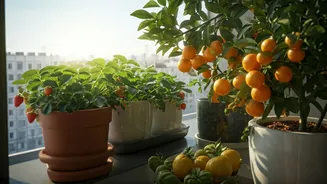
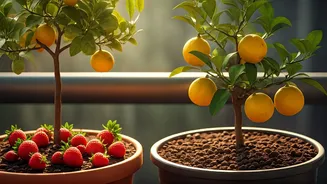
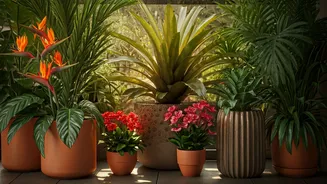
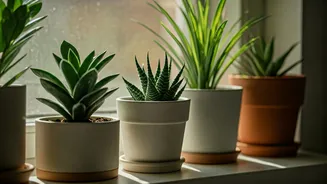
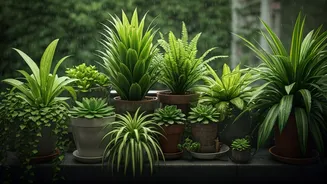
For most urban gardeners, the pot is the new garden patch. Container gardening gives you the flexibility to grow almost anything, anywhere. The most important rule is to ensure your container has drainage holes at the bottom to prevent water from pooling and causing root rot. You don't need to buy expensive pots; you can creatively repurpose old buckets, plastic bottles, or wooden crates. The size of the container matters: shallow pots work well for leafy greens like lettuce and spinach, while deeper pots are needed for plants like tomatoes or chillies. A good quality potting mix, often a combination of soil, compost, and coco peat, will ensure your plants get the nutrients and drainage they need to thrive.
The 'Smart' in Smart Greens
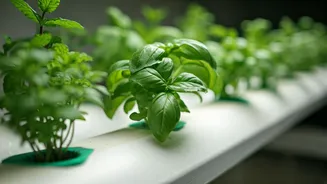
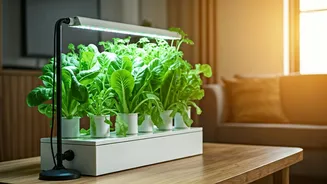
Being a 'smart' gardener doesn't necessarily mean you need expensive high-tech gadgets. It's more about using clever techniques and simple tools. One smart technique is succession sowing, where you plant new seeds every couple of weeks to ensure a continuous harvest of greens like lettuce or coriander. You can also look into self-watering planters, which reduce the frequency of watering. For those who are tech-inclined, beginner-friendly hydroponic kits are now available in India. These soil-free systems grow plants in nutrient-rich water, can be very space-efficient, and often result in faster growth. Many kits are designed for home use and come with everything you need to get started, making it easier than ever to grow fresh produce indoors.
Light and Water: The Essentials
Finally, don't forget the basics. Most vegetables and herbs need at least five to six hours of sunlight per day. Before you start, observe your balcony or windowsill at different times to identify the sunniest spots. If you have a south-facing window or balcony, it's ideal. Plants in containers tend to dry out faster than those in the ground, especially on hot, windy days, so you'll need to check the soil regularly. A simple trick is to touch the top inch of soil; if it feels dry, it's time to water. Water thoroughly until it drains from the bottom, but avoid leaving the pot sitting in water.