
The Science of Spoilage
Humidity refers to the amount of water vapour in the air. For many foods, the air is an invisible enemy. High humidity creates a favorable environment for the growth of microorganisms like mould, yeast, and bacteria. These tiny spoilers thrive in moist
conditions, accelerating the decay of everything from fresh produce to dry goods. It’s not just about visible mould; excess moisture can trigger enzymatic reactions that degrade texture, flavour, and nutritional value, significantly shortening the shelf life of your groceries. The result is food that looks, feels, and tastes unpleasant long before its expiration date.
Pantry Staples at High Risk
Your dry goods pantry is ground zero for humidity-related problems. Foods that are supposed to be crispy and crunchy are particularly vulnerable. Crackers, biscuits, chips, and cereals are hygroscopic, meaning they readily absorb moisture from the air. This turns them stale, soggy, and unappetizing. Flours and grains face a similar threat, but with more serious consequences. Absorbed moisture can lead to clumping, a musty odour, and the growth of harmful mould and bacteria that can make the flour unsafe to use. Even dried pasta can become brittle and prone to spoilage when stored in a damp environment.
The Clumping and Caking Problem
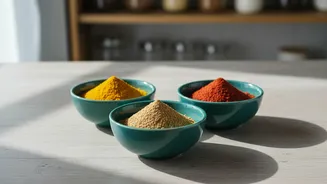
One of the most common signs of humidity in the kitchen is the stubborn clumping of salt, sugar, and spices. These crystalline substances are excellent at pulling moisture from the air. When they do, the particles dissolve slightly on the surface and then stick together, forming hard lumps that are difficult to break apart. This makes them a hassle to use in cooking. While it doesn't always mean they are spoiled, it's a clear sign that your storage isn't protecting them. Spices are particularly affected, as moisture not only causes caking but also degrades their essential oils, robbing them of their aroma and potency.
Fresh Produce and Humidity
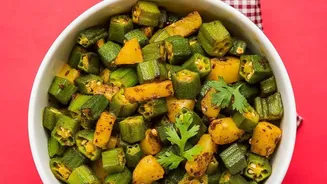
The relationship between fresh fruits, vegetables, and humidity is complex. While dry pantry goods suffer from too much moisture, many fresh items actually need a certain level of humidity to stay crisp and hydrated. However, in a non-refrigerated, high-humidity environment, the risk of spoilage skyrockets. Leafy greens become slimy, tomatoes develop soft spots, and root vegetables like onions and potatoes may begin to sprout or rot. Excess moisture on the surface of produce provides an ideal breeding ground for mould and bacteria, leading to rapid decay.
Protecting Your Food: Storage is Key
Combating humidity is all about smart storage. The single most effective strategy is using truly airtight containers. Glass jars with rubber seals or high-quality BPA-free plastic containers with locking lids are excellent choices. Avoid relying on the original paper or thin plastic packaging, as it offers little protection. Store these containers in a cool, dark, and dry place, away from the stove or sink where steam and heat are common. For highly sensitive items like salt or sugar, some people add a few grains of uncooked rice to the container to act as a natural desiccant, absorbing excess moisture. When it comes to produce, wash and thoroughly dry it before storing. Keeping different types of food separate also prevents moisture from a wet item from making a dry one soggy.