







A New Space Race Begins
India's space story is no longer solely written by the Indian Space Research Organisation (ISRO). A vibrant new chapter is being authored by a wave of private startups, with Hyderabad-based Skyroot Aerospace leading the charge. Founded in 2018 by former
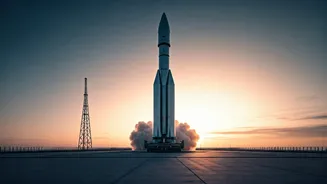
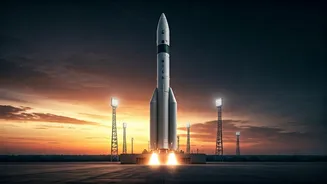
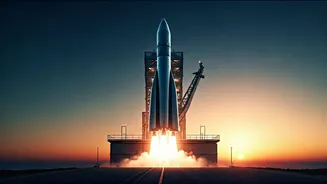
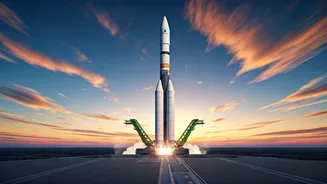
ISRO scientists Pawan Kumar Chandana and Naga Bharath Daka, Skyroot is on the verge of making history. The company has announced the launch window for its Vikram-1 rocket between July 12 and August 4, 2026. This mission, named 'Aagaman' (arrival), will be India's first-ever private orbital rocket launch, a milestone that promises to redefine the country's commercial space capabilities. This follows their successful 2022 suborbital flight of the Vikram-S, which was the first private rocket to reach space from Indian soil.
Why Private Rockets Matter
The significance of Vikram-1 extends far beyond a single launch. Unlike the state-led model that defined India's space program for over 50 years, private companies like Skyroot operate with a different objective: making space access as regular and affordable as air travel. Skyroot's rockets, built with innovative technologies like all-carbon composite structures and 3D-printed engines, are designed for rapid manufacturing and a high launch cadence. This “cab-to-space” model is aimed squarely at the booming global market for small satellite launches. As private firms drive down costs and increase launch frequency, they create a new economic ecosystem, one that requires a workforce with a fundamentally different set of skills and a commercial mindset. This shift was enabled by landmark government reforms in 2020, which established IN-SPACe to facilitate private participation in the space sector.
More Than Just Rocket Science
The rise of private space ventures is creating a demand for talent that goes far beyond traditional aerospace engineering. While ISRO primarily cultivated deep research specialisations, companies like Skyroot are building cross-functional teams that integrate engineering, manufacturing, and software. The job market is expanding to include roles that were once rare in the sector. There is a rising demand for propulsion engineers, avionics specialists, robotics experts, and guidance, navigation, and control (GNC) experts. Moreover, the industry now needs professionals in fuel chemistry, data analytics, AI and machine learning, and even cybersecurity to support complex commercial operations. This diversification means that a career in the space industry is no longer limited to a handful of engineering disciplines.
The Ripple Effect on Jobs
The impact on employment isn't confined to the rocket builders themselves. A thriving private space sector creates a vast ripple effect across the economy. It requires a robust supply chain of high-precision manufacturing, materials science, and electronics. This convergence allows the space industry to draw talent and capabilities from adjacent sectors like automotive and defence. Furthermore, the data generated by the thousands of satellites these rockets will carry into orbit is creating another job boom in downstream applications. Sectors like telecommunications, agriculture, urban planning, and disaster management increasingly rely on satellite data, creating demand for GIS analysts, remote sensing engineers, and data scientists. Projections indicate India's space ecosystem could create over 200,000 new jobs by 2033 as the industry grows towards a valuation of $44 billion.
A Launchpad for Future Careers
The emergence of companies like Skyroot, Agnikul Cosmos, and Pixxel signals a structural transformation in India's workforce. For a generation that grew up watching ISRO's triumphs, the dream of a space career is now more accessible than ever. The Indian government is actively nurturing this ecosystem with policies like 100% FDI in satellite manufacturing and dedicated venture funds to support startups. This has turned the sector into a magnet for top talent, with young engineers leaving high-paying tech jobs to build the next chapter of India's space journey themselves. As Skyroot prepares to launch Vikram-1, it is also launching a new set of career possibilities, proving that you no longer need to be a government scientist to reach for the stars.