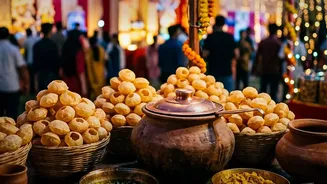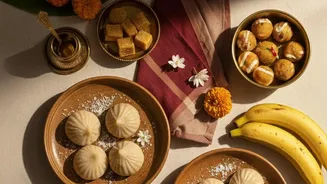


Come festival season, the air in India is thick with celebration and the aroma of fresh mithai. Yet, in this bustling market, a curious harmony exists. Grand, traditional sweet shops and burgeoning home kitchens don't just compete; they thrive.
The Anchor of Tradition and Scale
Legacy
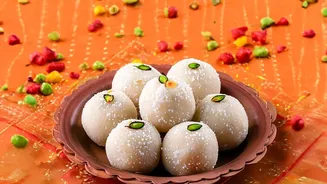
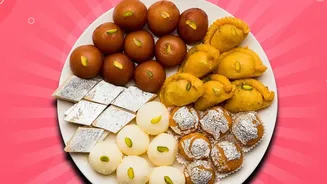
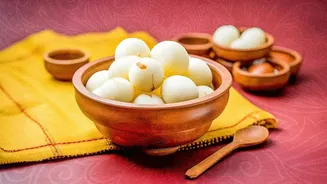
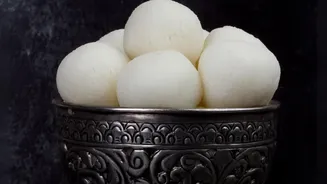
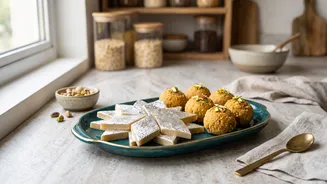
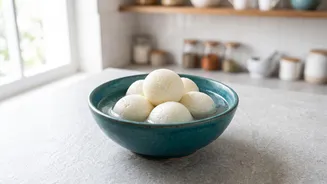
mithai shops are the titans of the festive season for a reason. They are institutions, often woven into the fabric of a city’s history for generations. Their primary strengths are scale, reliability, and a deep-seated sense of tradition. When a corporate entity needs to order 500 boxes of laddoos for Diwali gifting, or a family requires several kilos of a specific barfi for a wedding, the neighbourhood sweet shop is the undisputed go-to. These establishments are masters of high-volume production, ensuring that classic sweets like kaju katli, gulab jamun, and rasgulla are available in vast quantities. Their role is not just commercial; it is cultural. They are the keepers of classic recipes, providing a taste that connects generations and evokes a powerful sense of nostalgia and shared memory.
The Personal Touch of the Home Kitchen
In recent years, home kitchens have emerged as a vibrant and influential force in the sweets market. Their unique selling proposition is everything the large-scale shops are not: personalization, niche offerings, and a narrative of 'ghar ka khana' (home-cooked food). Home chefs often build their brand around a story—be it a secret family recipe, an emphasis on premium ingredients like pure desi ghee, or a focus on healthier alternatives using jaggery or natural sweeteners. They cater to a customer who is looking for something special: a curated gift box for a close friend, sweets for someone with dietary restrictions, or fusion desserts that blend traditional tastes with modern formats. This 'small-batch' approach promises freshness and a level of care that mass production cannot replicate.
Different Needs for Different Occasions
The secret to this harmonious coexistence lies in understanding that consumers have diverse needs. It's not a simple choice between shop-bought or homemade; it's about context. A consumer might buy a large, standardized box of sweets from a famous shop for office distribution but simultaneously order a bespoke, artisanal hamper from a home baker for their immediate family. The commercial shop fulfils a need for convenience, quantity, and brand recognition in formal gifting. The home kitchen, powered by social media and word-of-mouth, serves the desire for uniqueness, thoughtfulness, and a personal connection in more intimate settings. This segmentation allows both models to flourish without cannibalizing each other.
An Expanding Market, Not a Zero-Sum Game
Crucially, the demand for sweets during Indian festivals doesn't remain static; it explodes. The market expands dramatically, creating more than enough room for everyone. The festive season sees a massive spike in gifting and household consumption, with sweets and snacks topping shopping lists. This surge means that traditional shops are often running at full capacity just to meet their baseline demand for bulk orders and walkin customers. This leaves a significant opening for home chefs to capture the market for premium, customized, and niche products. Rather than fighting over a fixed pie, both players are serving a dramatically larger one. This dynamic is a testament to the sheer scale of festive consumption in India, where the culture of sharing sweets is deeply ingrained.