

Why Upcycle? A Stitch in Time
Choosing to upcycle a family heirloom is more than just a fashion statement; it's an act of sustainable and sentimental creativity. In an era of fast fashion, transforming an old saree into a new outfit actively reduces waste and promotes a more conscious
wardrobe. It’s a powerful way to honour the legacy of the women in your family—your mother, your grandmother—by weaving their stories into a silhouette that feels entirely your own. Instead of letting a beautiful Banarasi or Kanjeevaram sit unseen, you give it a second life, allowing its rich history and intricate craftsmanship to shine in a modern context. This process creates a truly unique piece that no designer label can replicate, filled with personal history and contemporary flair.
Finding the Right Canvas
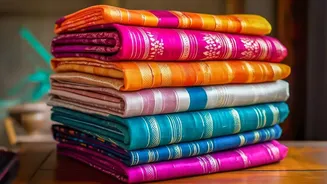
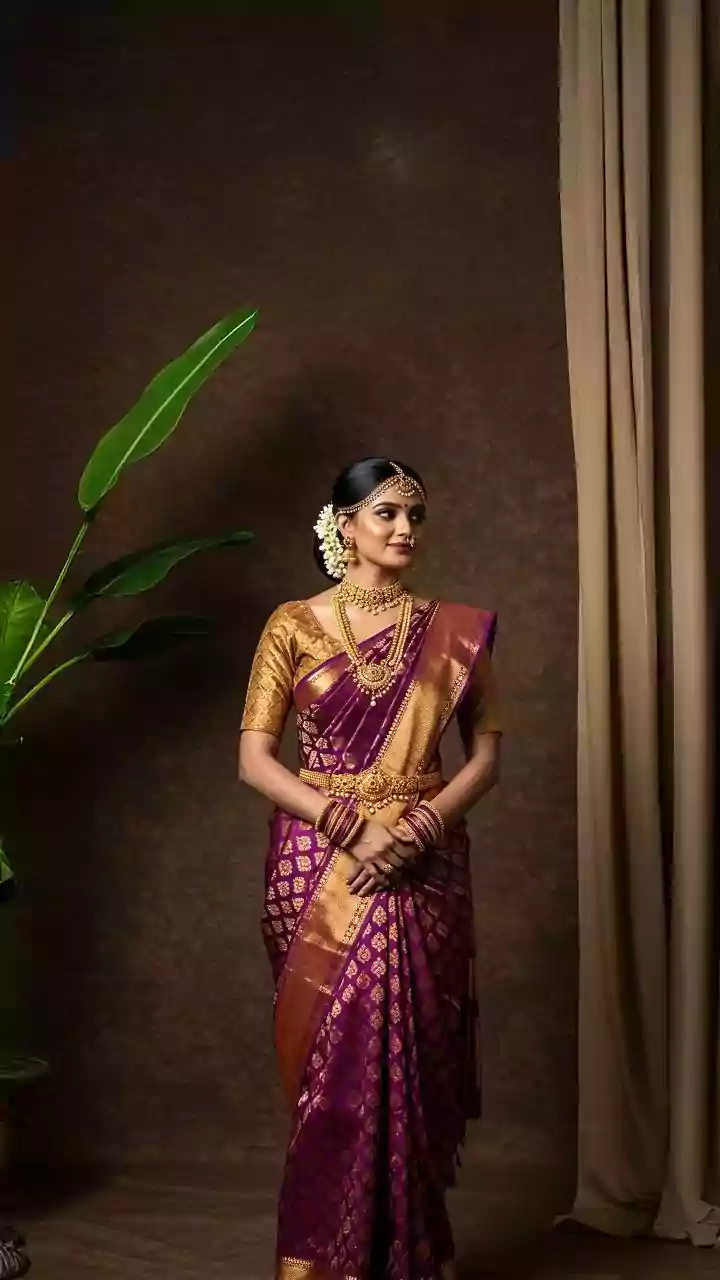
Not all sarees are created equal when it comes to upcycling. The ideal candidates are those made from durable, rich fabrics like Kanjeevaram, Banarasi, or Chanderi silk. Before you commit, thoroughly inspect the saree. Check for fabric integrity, paying close attention to any tears, frays, or significant discolouration, especially in the folds where damage often hides. Minor issues can sometimes be cleverly concealed within seams or patched with embroidery, but widespread weakness in the fabric may not withstand the tailoring process. Also, consider the weight and drape; a heavy brocade will create a structured co-ord set, perfect for a tailored jacket and trousers, while a lighter silk like a crepe or georgette would be ideal for a flowy palazzo and crop-top combination.
From Saree to Set: Design Inspiration
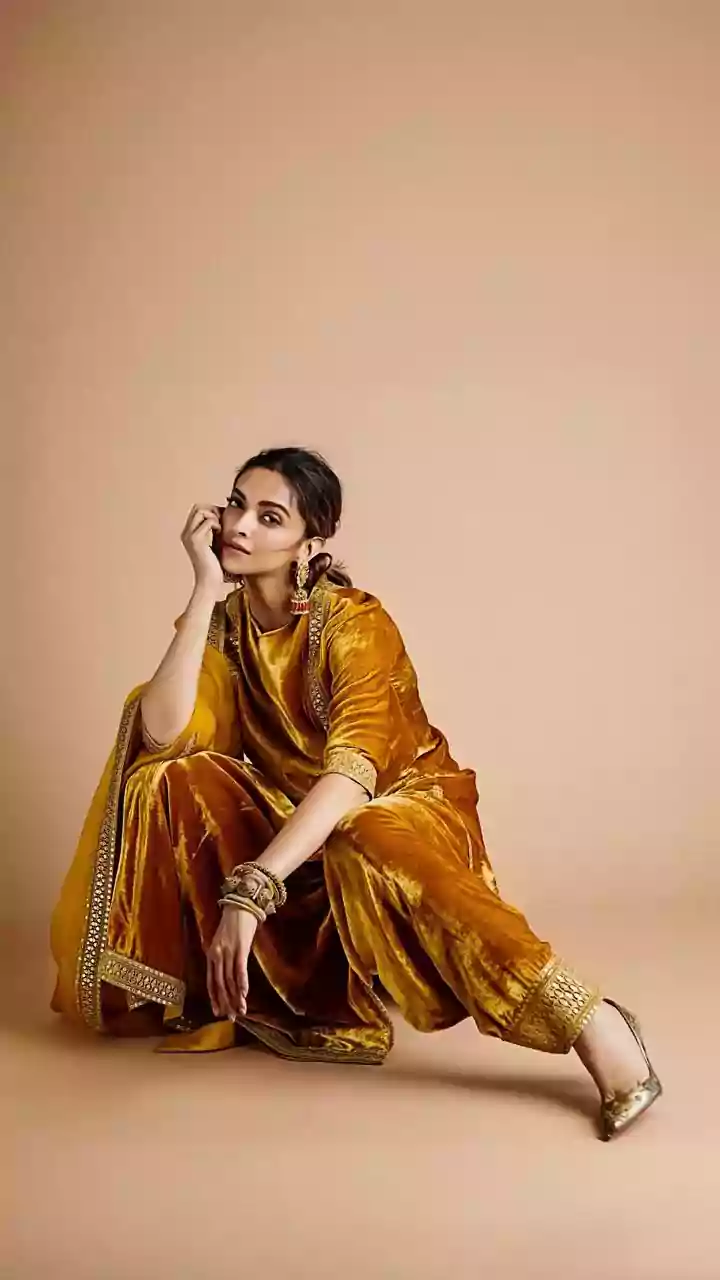
The nine yards of a saree offer a generous canvas for creativity. Co-ord sets are a leading trend in ethnic fashion, celebrated for their polished and effortless appeal. Consider a classic crop top and a flared skirt or lehenga; the saree's border can be used for the hemline, and the elaborate pallu can be transformed into the blouse. For a more contemporary look, a pair of palazzo pants or a sharara with a short kurta is an excellent option. You could also create a stylish peplum top with straight-cut trousers. A key design principle is to strategically place the saree's most decorative elements. The pallu, often the most intricate part, can become the front of a top, the yoke of a kurta, or a statement detail on a jacket. Simple silhouettes often work best, allowing the fabric's richness to be the star.
Working with a Tailor
Transforming a delicate silk saree requires a skilled hand. Finding an experienced tailor who understands how to work with old and precious fabrics is crucial. Start by seeking recommendations and looking at their previous work with similar materials. When you meet them, have a clear design in mind, but also be open to their expert suggestions. They might offer insights on how to best utilise the pattern and border of the saree. Discuss every detail, from the neckline and sleeve style to the type of lining needed to give the co-ord set structure and longevity. Ask for a toile, or a mock-up in a cheaper fabric, to ensure the fit is perfect before the first cut is made into your precious heirloom. Good communication is key to turning your vision into a wearable reality.
Styling Your New Heirloom
Once your co-ord set is ready, the final step is styling it for the festive season. The beauty of these sets is their inherent glamour. If your outfit is made from a heavily-worked brocade, keep the accessories minimal to let the fabric shine. A pair of statement earrings and a simple clutch may be all you need. For a simpler silk, you can afford to be more playful with jewellery, perhaps layering necklaces or choosing bold cuffs. Footwear can also define the look; embellished juttis lend a traditional touch, while metallic block heels or wedges give it a modern, party-ready feel. The final touch is your confidence, wearing a piece that is a perfect blend of past, present, and personal style.