



An Infrared Eye on Distant Worlds
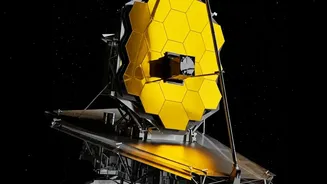
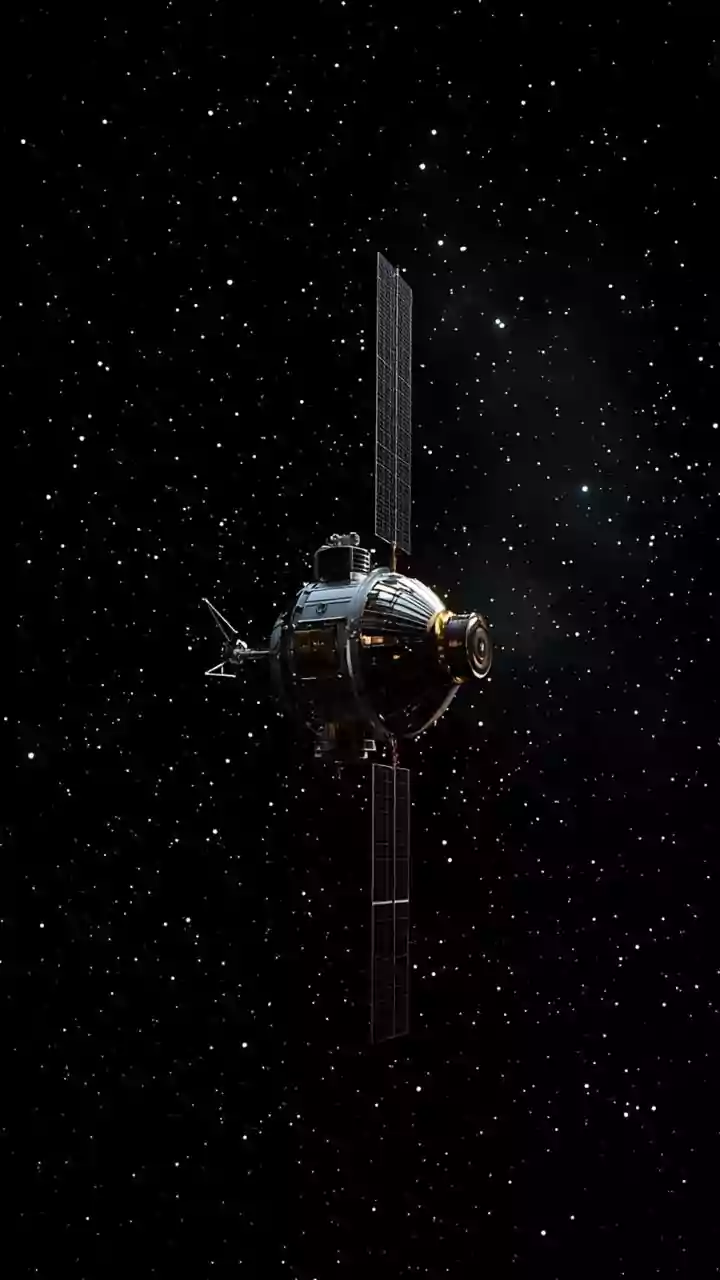
Since it began science operations, the James Webb Space Telescope (JWST) has revolutionized astronomy, and its study of exoplanets—planets orbiting other stars—is a key part of its mission. Webb is uniquely equipped for this task because it observes the universe
in infrared light. This allows it to see through cosmic dust that can obscure other telescopes and, crucially, to detect the faint heat signatures of distant planets and the chemical fingerprints left in starlight that has passed through their atmospheres. By capturing this infrared information, scientists are beginning to piece together what these far-off worlds are actually like.
How to 'See' an Alien Surface
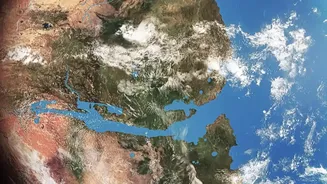
Webb doesn't take a direct photograph of an exoplanet’s surface in the way a satellite might image Earth. Instead, it uses sophisticated techniques to infer surface conditions. The primary method is spectroscopy. When a planet passes in front of its star (a transit), starlight filters through its atmosphere. Different gases absorb specific wavelengths of light, leaving a unique 'barcode' that Webb can read. This is called transmission spectroscopy. Another method is to measure the planet’s own heat, or thermal emission. By observing the combined light of the star and planet, and then subtracting the starlight when the planet passes behind it (a secondary eclipse), scientists can isolate the light coming from the planet itself and calculate its temperature.
Case Study: The Barren Rock of TRAPPIST-1b
One of Webb's most intriguing targets is the TRAPPIST-1 system, located about 40 light-years away, which hosts seven rocky, Earth-sized planets. The innermost planet, TRAPPIST-1b, has been a focus of intense study. By measuring its thermal emission, Webb found that the planet's dayside temperature is around 230 degrees Celsius. Crucially, these observations suggest the planet has little to no atmosphere. An atmosphere would distribute heat from the dayside to the nightside, but the data indicates a world of bare, dark rock, directly exposed to its star's radiation. While some recent analyses suggest the possibility of a thin, carbon-dioxide-rich atmosphere or geological activity, the initial findings point toward a barren, airless world.
A Glimpse of a Molten Lava World
Another dramatic example is 55 Cancri e, a 'super-Earth' so close to its star that it completes an orbit in just 18 hours. Its surface is thought to be a molten ocean of magma. Webb's observations have provided the best evidence to date for a substantial atmosphere around a rocky exoplanet, likely composed of gases like carbon monoxide or carbon dioxide. Scientists believe this atmosphere isn't a remnant from the planet's formation but is constantly being replenished by gases bubbling out of the magma ocean below. Studying 55 Cancri e provides a unique window into the extreme interactions between a rocky planet's surface and atmosphere.
The Difference Is in the Details
Interpreting this data is incredibly complex. For instance, an early signal of water vapor detected on the rocky exoplanet GJ 486 b was exciting, but follow-up observations suggested the signal might have come from cool spots on the host star itself, not a planetary atmosphere. The planet itself appears to be an almost bare rocky surface. These challenges show how difficult it is to study the thin atmospheres of rocky planets orbiting active stars. Each observation helps scientists refine their models and better understand what they are seeing across the vast distances of space.