








The AI-Powered Itinerary
Forget spending hours juggling dozens of browser tabs. A new habit emerging is the use of AI travel planners to handle the heavy lifting. These tools go beyond simple flight and hotel searches; they build complex, day-by-day itineraries based on your
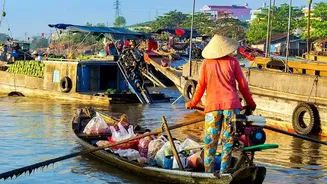
specific interests, budget, and travel style. Imagine telling an AI you want a quiet, food-focused trip to Vietnam with minimal travel between activities, and getting a detailed first draft in minutes. While they aren't perfect and key details like visa rules or opening times still need a human check, these AI assistants are becoming brilliant starting points for creating highly personalised trips without the traditional planning stress.
The 'Cool-Cation' Escape
For generations, summer holidays meant chasing the sun. Now, a growing number of travellers are doing the opposite: escaping the heat. The 'cool-cation' is a direct response to rising global temperatures, with people actively seeking out destinations with milder climates. Searches for cooler destinations like Norway, Slovenia, Iceland, and Canada have surged, as tourists swap sweltering beach resorts for glacier hikes and mountain cabins. This trend reflects a major shift, with data showing that a significant percentage of travellers now consider extreme weather risks when choosing where to go, prioritising comfort and safety over a guaranteed tan.
The Regenerative Retreat
For years, conscious travellers have embraced sustainable tourism, which focuses on leaving no trace. Now, the concept is evolving into regenerative travel, a habit focused on leaving a place better than you found it. This goes beyond simply minimising your negative impact; it’s about actively making a positive one. A regenerative trip might involve participating in a local conservation project, volunteering with a community initiative, or choosing accommodation that actively restores the local ecosystem. It's a more holistic approach that considers the cultural and social well-being of the destination, making the visitor an active partner in its improvement.
The Sober-Curious Journey
The global wellness movement is spilling over into how we vacation. Sober-curious travel, or 'dry tripping', is gaining momentum, particularly among younger generations who are drinking less than their predecessors. This isn’t just for people in recovery; it’s for anyone re-examining their relationship with alcohol and prioritising experiences that don't revolve around it. In response, tour operators, hotels, and cruise lines are introducing alcohol-free itineraries and sophisticated mocktail menus. The new travel mindset values clear mornings, better sleep, and being fully present to enjoy a destination, proving that a great trip doesn't require a buzz.
The Hyper-Local Food Tour
Culinary tourism is nothing new, but its latest evolution is the hyper-local food tour. This trend moves beyond just visiting famous restaurants and focuses on understanding food at its source. It’s a deeper, more immersive experience where travellers might forage for ingredients with a chef, learn to make a heritage dish from scratch, or visit a farm that supplies a single restaurant. The definition of 'local' is becoming stricter, sometimes meaning ingredients sourced within walking distance of the kitchen. This habit is about tasting a story—the unique flavour of a specific place, shaped by its soil, climate, and culture—and connecting with the people behind the food.
The Blended 'Bleisure' Trip
The line between work and life has blurred, and now the line between business and leisure travel is doing the same. 'Bleisure' is evolving from simply adding a weekend to a work trip to a more integrated habit of blending professional and personal travel. Driven by flexible work-from-anywhere policies, people are taking longer trips that combine workdays with exploration. This might look like a 'workation' retreat for a few weeks or simply extending a trip to work remotely from a new city. For many, especially younger professionals, the ability to blend travel and work is a key job benefit, making it a habit that employers and the travel industry are increasingly embracing.